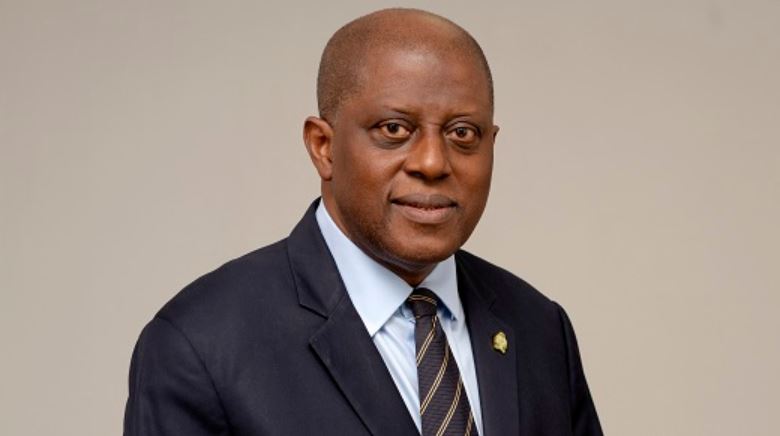
The Central Bank of Nigeria (CBN) has embarked on a re-validation exercise aimed at resolving complaints from manufacturers and importers regarding unredeemed foreign exchange (FX) claims totaling $2.4 billion. CBN Governor Olayemi Cardoso announced this initiative during a recent summit organized by the Nigerian Economic Summit Group in Abuja, stressing the necessity of this verification process. This comes after the central bank had previously claimed to have cleared $7 billion in FX forwards, purportedly alleviating a long-standing burden. However, the Manufacturers Association of Nigeria (MAN) has voiced grievances about the CBN’s failure to resolve these outstanding claims, which they assert has led to significant financial distress among industries, with many reporting substantial losses directly attributable to these unresolved FX forward contracts.
Despite Cardoso’s earlier assertions that the bank had addressed all claims, the renewed effort to verify the manufacturers’ claims received a positive response from the business community. The CBN Governor expressed the importance of maintaining credibility with international investors and stakeholders while ensuring that the bank meets its obligations. He acknowledged that understanding the nuances of the FX forward contracts required a careful approach and that a thorough verification process was essential to build trust in the central bank’s operations. Cardoso confirmed that the first stage of verification has been completed, and they are now in the second stage of confirming the authenticity of ongoing claims.
Cardoso emphasized that the CBN’s current focus is on managing inflation and stabilizing foreign exchange markets, crucial for fostering economic stability. Acknowledging the pressures on the real sector, he reiterated the central bank’s commitment to ensuring transparent operations that bolster confidence among stakeholders. The governor also highlighted the success of policy initiatives that led to a marked increase in diaspora remittances, which soared from an annual rate of $200 million to $600 million between January and September 2024. This was achieved through proactive engagement with International Money Transfer Operators (IMTOs) to facilitate foreign exchange inflow, demonstrating a clear commitment to enhancing the economic landscape.
In discussing ongoing economic challenges, Cardoso noted the critical need to tame inflation, which he views as essential for nurturing a conducive investment environment. He cautioned that unchecked inflation poses a risk by diminishing purchasing power, ultimately hindering the ability of productive sectors to thrive. The CBN governor articulated that combatting inflation must remain a priority, as moderation in inflation rates could lead to reduced interest rates, enhancing the operational capabilities of industries struggling under current economic conditions. He acknowledged that while the trade-offs between interest rates, inflation, and the real sector are complex, a careful approach can yield positive results in the near term.
The CBN Governor also addressed the broader journey of economic reforms undertaken by the central bank, asserting that significant progress has been made yet recognizing that more efforts are necessary. He emphasized the importance of vigilance in adapting to an ever-changing economic landscape, highlighting that overlooking critical issues could adversely affect national economic outcomes. Cardoso mentioned that the bank has moved away from excessive interventions, instead opting for orthodox monetary tools, a shift he believes is pivotal given the adverse effects of prior interventionist strategies on the economy.
Lastly, Cardoso touched upon the need for bank recapitalization as a strategic measure to enhance the resilience of financial institutions. He noted that increasing capital is essential for banks to maintain profitability and robustness, stating that the regulatory approach for recapitalization has been designed to support rather than burden the banks. This measure, he argued, would enable financial institutions to better withstand potential economic shocks while contributing positively to the economic recovery process. The overarching message from Cardoso is one of caution, strategic engagement, and a commitment to fostering a stable financial and economic environment for Nigeria’s future.