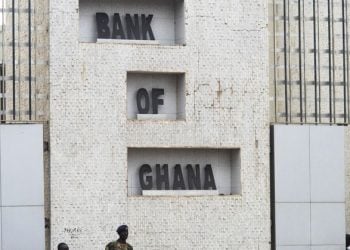
The Ghanaian cedi, after experiencing a period of significant recovery against the US dollar, has recently shown signs of stagnation, raising concerns about the sustainability of its rebound. The cedi’s resurgence, which began around November 9, 2024, saw it appreciate considerably, reversing a prolonged period of depreciation. This recovery was largely attributed to the aggressive intervention of the Bank of Ghana (BoG), which consistently injected substantial amounts of US dollars into the interbank market. This strategy effectively flooded the market with foreign currency, bolstering the cedi’s value and pushing it to more favorable exchange rates against the dollar.
However, the cedi’s upward trajectory appears to have plateaued in recent days. Despite the BoG’s continued efforts to support the currency by injecting over $115.2 million into the market in just two days, following a previous injection of $840 million between November 8 and December 11, the cedi’s value remained largely unchanged. This stagnation, despite significant dollar injections, suggests a potential shift in market dynamics. Analysts attribute this change to a combination of factors, including speculative trading activities and the perception that the cedi may have reached its peak valuation for the time being. The initial surge in the cedi’s value likely attracted speculative investors who anticipated further appreciation. However, as the cedi’s rise slowed, these investors may have begun to pull back, contributing to the currency’s stabilization.
The BoG’s ability to intervene so significantly in the foreign exchange market is underpinned by its relatively healthy foreign reserve position. These reserves, which stood at $7.92 billion by late November, provide the Central Bank with the ammunition to inject dollars into the economy and influence the cedi’s value. The growth in reserves, from 2.9 months of import cover in May to 3.5 months by the end of September 2024, is attributed to a combination of factors, including a larger current account surplus and reduced financial outflows. This improved reserve position provides the BoG with a degree of flexibility in managing the cedi’s exchange rate.
Despite the BoG’s interventions and the improved reserve position, there is growing apprehension about the cedi’s future trajectory, particularly as Ghana heads into 2025. Several factors contribute to this uncertainty. The anticipated increase in demand for dollars from corporate entities in the new year could put renewed pressure on the cedi. Furthermore, the political landscape is expected to shift with the incoming new government, introducing another layer of uncertainty to the economic outlook. Adding to this, the impending completion of Governor Dr. Ernest Addison’s term at the BoG in January 2025 raises questions about the continuity of the current monetary policy approach.
The confluence of these factors – increased corporate dollar demand, political transition, and potential changes in leadership at the Central Bank – creates a complex and potentially volatile environment for the cedi in the early months of 2025. Market analysts are closely monitoring these developments, recognizing the potential for significant fluctuations in the cedi’s value. The ability of the BoG to maintain the cedi’s current stability will depend on its ability to navigate these challenges effectively.
In summary, the cedi’s recent recovery, driven largely by the BoG’s aggressive dollar injections, appears to have stalled. While the Central Bank’s efforts, supported by a strengthened foreign reserve position, have been instrumental in bolstering the currency, emerging challenges raise concerns about the cedi’s future. The anticipated increase in corporate dollar demand, the political transition, and the change in leadership at the BoG all contribute to a climate of uncertainty. The coming months will be crucial for determining whether the cedi can maintain its current stability or if it will succumb to renewed depreciatory pressures. Market observers are keenly watching the interplay of these factors and the BoG’s response, recognizing the potential for significant volatility in the near term.