Paragraph 1: Naira’s Resurgence: A Week of Significant Gains
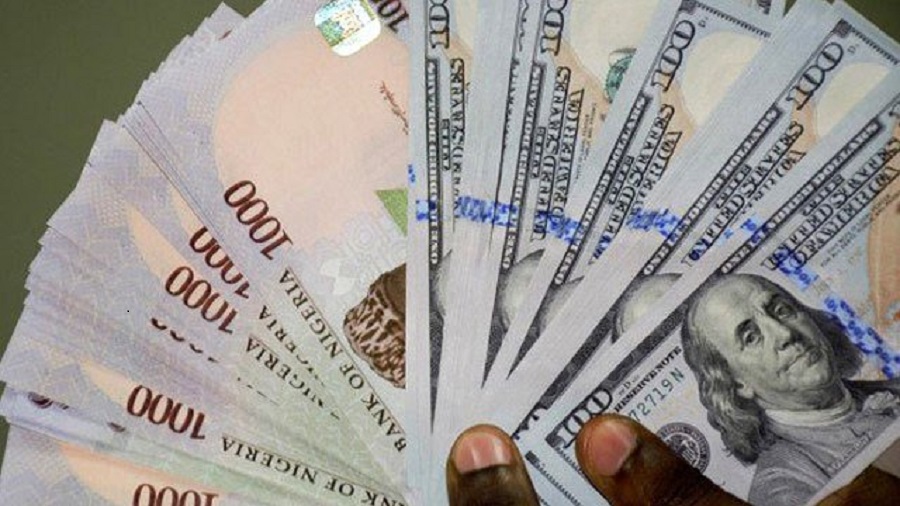
The Nigerian naira experienced a remarkable resurgence against the United States dollar during the week of December 2nd to December 6th, 2024, appreciating by a substantial N137.69. This impressive 8.24% gain brought the exchange rate from N1672.69/$ on November 29th to N1535/$ by the week’s end. This positive shift is largely attributed to the introduction and operationalization of the Central Bank of Nigeria’s (CBN) new foreign exchange (FX) platform, the Bloomberg BMatch system. Increased liquidity in the FX market, aided by a successful Eurobond issuance, also contributed to the naira’s strengthening. This development brought a sigh of relief to businesses and individuals grappling with the high costs associated with a weakened naira.
Paragraph 2: Unveiling the CBN’s New FX Platform: Transparency and Efficiency
The CBN’s newly implemented FX platform, Bloomberg BMatch, played a pivotal role in the naira’s recovery. Launched on December 2nd, 2024, the platform introduced an automated trade-matching system designed to enhance transparency and operational efficiency within Nigeria’s FX market. By fostering greater price discovery and ensuring transparent trade monitoring, the platform helped bridge the gap between the official and parallel markets. This move towards a unified exchange rate system eliminated arbitrage opportunities and contributed significantly to the naira’s stabilization and appreciation. The system mandates a minimum tradable amount of $100,000 with increments of $50,000, further promoting transparency and structured trading.
Paragraph 3: Daily Trajectory of Naira’s Appreciation: A Steady Climb
The naira’s upward trajectory was evident throughout the week. Starting at N1,660/$ on Monday, December 2nd, the currency steadily gained ground against the dollar. Each day witnessed fluctuations within a defined range, with the naira consistently closing stronger than the previous day. Tuesday saw the rate reach N1,625/$, followed by N1,608/$ on Wednesday. The momentum continued on Thursday with the rate closing at N1,567/$, culminating in the impressive N1,535/$ closing rate on Friday. This steady climb showcased the positive impact of the new FX platform and increased market liquidity.
Paragraph 4: Eurobond Success Bolsters Naira’s Position: Increased Liquidity and Confidence
Nigeria’s successful return to the international bond market further bolstered the naira’s position. The $2.02 billion Eurobond issuance, oversubscribed by $9.01 billion, injected significant liquidity into the local currency. The issuance consisted of two tranches: $1.05 billion in 10-year bonds at a 10.375% coupon rate and $700 million in 6.5-year bonds at a 9.625% coupon rate. This influx of foreign capital, coupled with the improved FX market dynamics, significantly strengthened the naira’s value and boosted investor confidence in the Nigerian economy.
Paragraph 5: Impact on the Parallel Market and OPS Reactions: A Welcome Respite
The naira’s resurgence in the official market had a ripple effect on the parallel market, where the exchange rate plummeted from N1,700/$ earlier in the week to N1,570/$ by Friday. Over the weekend, the parallel market rate continued to fluctuate, peaking at N1,530/$ on Saturday before settling at N1,580/$ on Sunday. This convergence of the official and parallel market rates further underscored the positive impact of the CBN’s reforms. Members of the Organized Private Sector (OPS) welcomed the naira’s appreciation, highlighting its potential to reduce inflationary pressures and the cost of doing business. They urged the government to maintain fiscal discipline and implement policies that support increased dollar inflows to ensure the sustainability of the naira’s gains.
Paragraph 6: Sustaining the Gains: Fiscal Prudence and Complementary Policies
While the naira’s recovery is a positive development, experts emphasize the importance of implementing complementary policies to sustain these gains. Fiscal prudence, including moderating government spending, reducing the fiscal deficit, and managing debt accumulation, is crucial to avoid renewed pressure on the naira. Furthermore, boosting crude oil production for export, promoting non-oil exports, encouraging domestic refining of crude oil, and increasing government patronage of locally produced goods and services are recommended to reduce reliance on foreign exchange and strengthen the naira’s value in the long term. The OPS also called for continued judicious allocation of available forex to support businesses and further stabilize the exchange rate.