





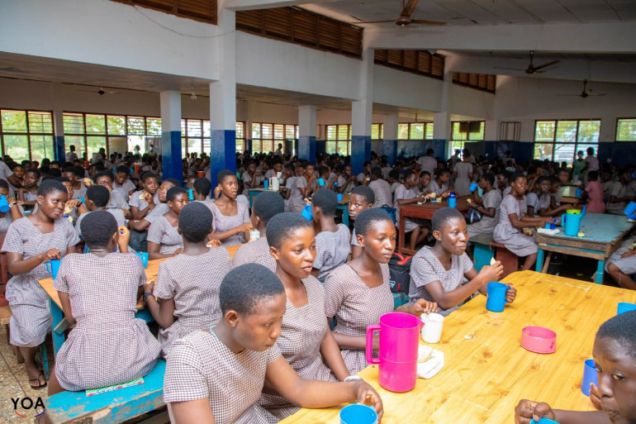
The Conference of Heads of Assisted Secondary Schools (CHASS) has issued an urgent plea to parents across Ghana, advising them to supplement their children’s meals at senior high schools (SHSs) due to a persistent and worsening food crisis. This call comes amidst ongoing challenges in procuring essential food supplies for schools nationwide, a situation particularly dire in the northern regions of the country. CHASS National Secretary, Primus Baro, highlighted the severity of the crisis, emphasizing the scarcity of staples like cooking oil, maize, and beans, forcing schools to resort to unconventional measures to provide meals for students. This recommendation for parental support underscores the systemic nature of the food supply chain disruptions affecting SHSs and the urgent need for a comprehensive solution.
The food shortage in SHSs has reached a critical point, especially in northern Ghana, where schools are struggling to obtain basic ingredients. Mr. Baro revealed that many schools, including his own, lack even essential cooking oil, forcing kitchen staff to use margarine as a substitute. The scarcity extends to staple foods like maize and beans, leaving rice and gari as the primary available options. This dire situation reflects a breakdown in the food supply chain that caters to these educational institutions, leaving students vulnerable to nutritional deficiencies and hindering their ability to focus on their studies. The lack of diverse and nutritious meals raises serious concerns about the overall well-being of students and the potential impact on their academic performance.
The CHASS secretary’s account paints a bleak picture of the conditions in many SHSs, where limited resources are stretching the creativity and resourcefulness of school staff. The reliance on margarine as a cooking oil substitute not only compromises the quality and taste of the meals but also raises potential health concerns in the long term. The limited availability of staple foods like maize and beans further restricts dietary diversity, potentially leading to nutritional imbalances among students. This situation underscores the urgent need for intervention to ensure that students receive adequate and balanced meals crucial for their physical and cognitive development.
The recommendation to parents to provide supplemental food items for their children is a temporary measure designed to mitigate the immediate effects of the food crisis. While allowing students to bring items like gari, shito, and sugar offers a short-term solution, it also highlights the systemic failure of the food supply chain to adequately cater to the needs of these educational institutions. This dependence on parental support places an additional burden on families, particularly those already struggling financially, and underscores the inequities that can arise from systemic challenges in resource allocation.
The ongoing food crisis in SHSs stems from unresolved financial issues, including the government’s outstanding payments for perishable food items supplied to schools in the previous year. CHASS had previously advocated for delaying the reopening of schools until these financial matters were resolved, but their appeal was rejected by the Ghana Education Service (GES). The GES, however, promised to address the issues promptly upon schools’ resumption. This disconnect between the urgency of the situation as perceived by CHASS and the response from the GES highlights the need for improved communication and collaboration between the two bodies to ensure the timely and effective resolution of such critical issues.
The persistent food shortages in SHSs represent a significant challenge to the educational system in Ghana. The situation underscores the need for a comprehensive and sustainable solution that addresses the root causes of the supply chain disruptions and ensures consistent access to nutritious food for students. This requires collaborative efforts between the government, educational institutions, and relevant stakeholders to strengthen the food procurement and distribution system, ensure timely payment for supplies, and prioritize the nutritional needs of students as essential for their academic success and overall well-being. Furthermore, incorporating long-term strategies for food security within the educational system, such as supporting local farmers and promoting sustainable agricultural practices, could help mitigate future crises and ensure a stable and nutritious food supply for students in the long run.








