





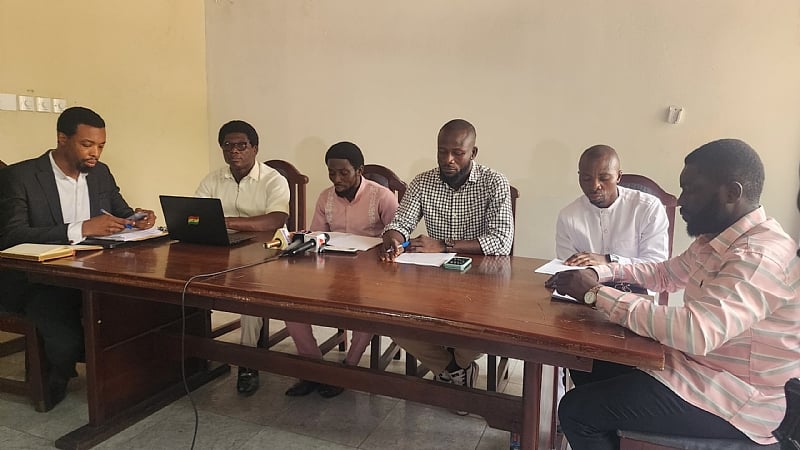
The Christian Divine Church, a presumably Ghana-based religious institution, is embroiled in a deep-seated internal conflict that threatens its stability and the safety of its members. The church elders have publicly accused a faction of pastors, supported by unnamed external sponsors, of orchestrating a campaign of intimidation and disruption, effectively barring legitimate members from attending services. This internal struggle has escalated to alarming levels, with reports of armed intrusions and a palpable sense of insecurity pervading the congregation. The elders have pointed fingers at the local police force, specifically the Tarkwa Police Command, for their perceived inaction and alleged complicity in the ongoing harassment. Their plea for intervention, directed at the Inspector General of Police (IGP), underscores the gravity of the situation and the escalating fear within the church community.
At the heart of the crisis lies a power struggle within the church, with a dissident group of pastors allegedly attempting to seize control through intimidation and coercion. The elders allege that these pastors, backed by influential but unidentified sponsors, are employing unlawful tactics to suppress dissent and consolidate their power. The allegations range from preventing church members from attending services to more serious accusations involving armed intimidation and harassment at the residences of church leaders. The elders paint a picture of a church under siege, where the basic right to worship is being systematically denied to a significant portion of the congregation. This internal power struggle has not only fractured the church community but also exposed the vulnerability of its members to intimidation and potential violence.
The elders’ frustration is compounded by what they perceive as the failure of law enforcement to protect them and uphold the law. They accuse the Tarkwa police of being unresponsive to their pleas for help, effectively allowing the alleged perpetrators to operate with impunity. The elders contend that the police, instead of safeguarding the church members, are acting on misleading information provided by the dissident pastors and their sponsors. This alleged police inaction has eroded the trust between the church community and law enforcement, leaving the elders feeling abandoned and vulnerable. They see the police, not as protectors, but as enablers of the very individuals who are allegedly threatening their safety and disrupting their religious practices.
The elders’ accusations against the Tarkwa Police Command extend beyond mere inaction to allegations of active complicity. They specifically name Assistant Commissioner of Police (ACP) Bismark Agyapong, accusing him of providing fabricated intelligence reports that favor the dissident pastors and their backers. The elders believe that these distorted reports are influencing police operations, further emboldening the pastors and their supporters to continue their disruptive activities. This perceived bias within the police force has deepened the elders’ mistrust and reinforced their belief that the authorities are actively working against their interests.
The situation reached a critical point when armed individuals, allegedly masked and acting on behalf of the dissident pastors, stormed the residence of the church chairman. The elders claim that the Tarkwa police were present during this incident but failed to intervene, effectively allowing the intimidation to proceed unchecked. This incident, according to the elders, serves as a stark example of the police’s unwillingness or inability to protect church members and their leadership. The alleged presence of police during the incident, coupled with their alleged inaction, further fuels the accusations of complicity and raises serious questions about the impartiality of the Tarkwa Police Command.
Facing a perceived lack of protection from law enforcement, the elders have expressed their determination to take matters into their own hands. They have publicly vowed to protect the church and its members by any means necessary, indicating a loss of faith in the ability and willingness of the police to provide adequate security. This declaration underscores the gravity of the situation and the deep sense of vulnerability felt by the church community. The elders’ resolve to protect themselves, while potentially escalating the conflict, also highlights their desperation and the extent to which they feel abandoned by the authorities entrusted with their safety. They have also alleged that the dissident pastors and their supporters plan to forcibly take over the church headquarters, further raising fears of imminent violence and underscoring the urgent need for intervention. The elders’ appeal to the IGP is a desperate plea for higher authorities to intervene and restore order before the situation spirals further out of control. They are calling for an impartial investigation, disciplinary action against complicit officers, and above all, the assurance that they will be able to practice their faith without fear of intimidation or violence. The future of the Christian Divine Church hangs in the balance, dependent on the swift and decisive action of the Inspector General of Police.








