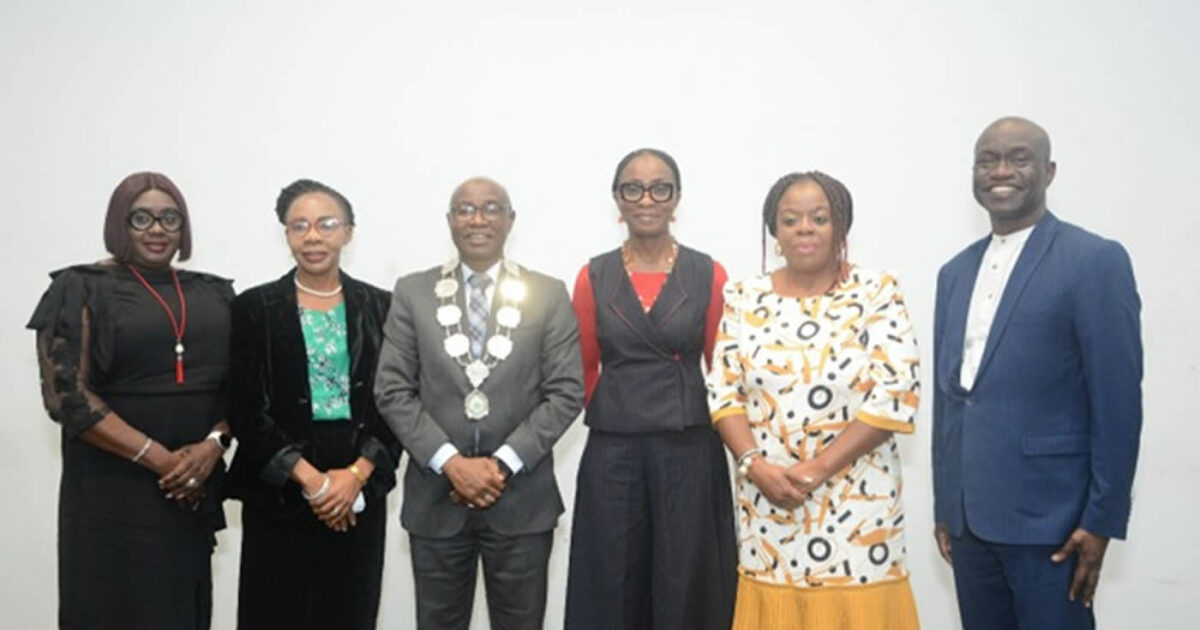
The Chartered Institute of Personnel Management of Nigeria (CIPM) convened the 2025 CEO/CHRO/HRD forum in Lagos, emphasizing the critical synergy between Chief Executive Officers (CEOs) and Human Resource (HR) leaders as the cornerstone of sustainable business growth. The forum, themed “Building Strategic Partnerships: The Roles of CEOs and HR in Organizations,” underscored the importance of a collaborative approach between these two key leadership functions to navigate the complexities of the modern business environment and achieve organizational success. This partnership is not merely beneficial; it is essential for organizations aiming to thrive in today’s dynamic and competitive landscape.
CIPM President, Ahmed Gobir, highlighted the vital connection between leadership vision and people strategy. He posited that when these two elements are harmonized, organizations transcend mere survival, achieving remarkable growth, scalability, and establishing industry benchmarks. This synchronization ensures that the workforce is aligned with the overarching organizational goals, fostering a culture of shared purpose and driving performance. Gobir urged business leaders to dismantle traditional organizational silos, fostering a culture of collaborative practices that nurture innovation and fortify a robust and adaptable organizational culture. This dismantling of silos allows for more fluid communication, shared knowledge, and a unified approach to problem-solving, further enhancing organizational agility and responsiveness.
Oyeyimika Adeboye, Managing Director of Cadbury Nigeria Plc, delivered the keynote address, characterizing HR as a strategic partner integral to translating organizational vision into tangible execution and value creation. She emphasized that HR’s role extends far beyond administrative functions, encompassing critical areas such as talent development, leadership succession planning, and navigating organizational change. This expanded role positions HR as a driver of strategic initiatives, ensuring that the workforce possesses the necessary skills and capabilities to achieve the organization’s objectives. Adeboye encouraged HR leaders to actively engage in these strategic areas, moving beyond traditional transactional roles to become true partners in driving business success.
Adeboye further elaborated on the complementary roles of CEOs and HR Directors. The CEO, she explained, sets the strategic direction and provides the necessary authority, while the HR Director orchestrates the people and change management aspects, ensuring buy-in and engagement at all organizational levels. This collaborative dynamic ensures that the organization’s human capital is effectively managed and aligned with the strategic direction set by the CEO. The HR Director plays a crucial role in translating the CEO’s vision into actionable people strategies, fostering a culture of acceptance and support for organizational changes. This partnership ensures that the human element, often the most complex and valuable asset of an organization, is effectively leveraged to achieve strategic goals.
The forum’s speakers collectively emphasized the critical importance of aligning human capital strategy with overarching business objectives, particularly in the context of rapid digital disruption, fluctuating economic landscapes, and evolving workforce expectations. This alignment ensures that the organization’s talent pool is equipped to meet the challenges and opportunities presented by these dynamic forces. By proactively addressing the changing demands of the business environment and the workforce, organizations can position themselves for sustained growth and success. This strategic alignment requires HR leaders to anticipate future talent needs, develop targeted training and development programs, and create a work environment that attracts and retains top talent.
In conclusion, the CIPM forum highlighted the evolving role of HR in driving organizational success, emphasizing the importance of a strong partnership between CEOs and HR leaders. This collaboration is not merely a best practice but a necessity for organizations seeking to thrive in today’s complex and rapidly changing business environment. By aligning human capital strategy with business objectives, fostering a culture of collaboration and innovation, and empowering HR leaders to take on strategic roles, organizations can unlock their full potential and achieve sustainable growth. This requires a shift in mindset, recognizing HR not as a support function but as a strategic partner integral to the overall success of the organization. The key takeaway is that when leadership and people strategy are synchronized, organizations are empowered to not only survive but to truly thrive.