





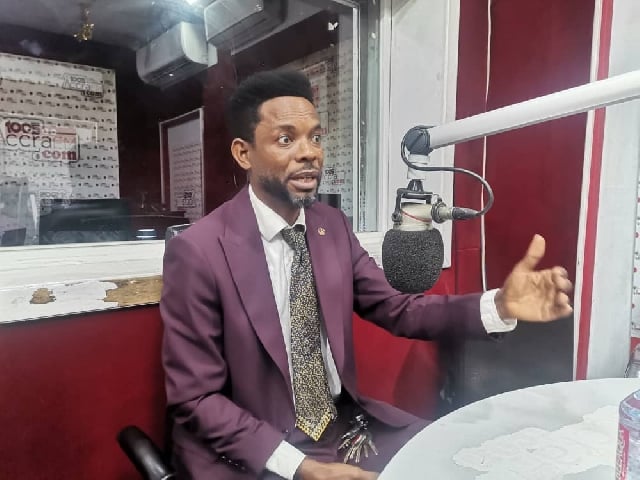
Stephen Appiah, also known as Jesus Ahoufe, the leader of the New Life Kingdom Chapel in Accra, Ghana, has attributed former President John Dramani Mahama’s victory in the December 7, 2024 elections to divine intervention. Speaking on a radio program, Ahoufe asserted that Mahama’s win was 70% attributable to spiritual forces, claiming that fervent prayers from spiritual leaders, including himself, played a pivotal role in securing the victory. He depicted Mahama as a prayerful man who benefited from divine favor, with angels casting votes on his behalf. This spiritual intervention, Ahoufe argued, was the decisive factor in Mahama’s win, overriding any other contributing factors.
Ahoufe further highlighted the unprecedented nature of the NDC’s performance in the Ashanti Region, a traditional NPP stronghold, where they secured 34% of the votes. He considered this a clear manifestation of God’s hand in the election, citing it as a direct response to the prayers and fasting undertaken by himself and other spiritual leaders. This unexpected outcome in the Ashanti Region, according to Ahoufe, solidified the notion that Mahama’s victory was divinely ordained, a testament to the efficacy of their spiritual efforts. He believed that Mahama’s win was destined to “save the nation,” underscoring a perceived need for Mahama’s leadership in the country.
Ahoufe’s attribution of Mahama’s victory solely to divine intervention sparked controversy and raised questions about the role of religious leaders in politics. Critics argued that such claims diminish the importance of voters’ choices and the democratic process. They emphasized the various factors that contribute to electoral outcomes, including campaign strategies, voter demographics, and political messaging. By reducing the complex dynamics of an election to divine intervention, Ahoufe’s narrative overlooked the active participation of the electorate and the efforts of political parties.
The claim of angelic intervention also ignited theological debates, with some questioning its scriptural basis. Others cautioned against using religious beliefs to explain political events, fearing it could lead to polarization and undermine the separation of church and state. Concerns were raised about the potential for such pronouncements to create an environment where political opponents are demonized and their supporters delegitimized. This, in turn, could discourage constructive dialogue and hinder the process of reconciliation after a closely contested election.
Moreover, Ahoufe’s pronouncements raised broader questions about the growing influence of religious leaders in Ghanaian politics. While acknowledging the right of individuals to express their faith, critics urged caution against the fusion of religious pronouncements with political endorsements. They stressed the importance of maintaining a healthy separation between religious institutions and political processes to safeguard the integrity of both. The potential for religious leaders to sway public opinion, particularly within a deeply religious society, highlighted the need for careful scrutiny of such pronouncements and their potential impact on the democratic process.
This controversy underscored the delicate balance between religious freedom and the principles of a secular democracy. It necessitates a nuanced understanding of the role of faith in public life and the potential consequences of mixing religious pronouncements with political commentary. Ultimately, Ahoufe’s pronouncements served as a catalyst for wider discussions about the appropriate intersection of religion and politics in Ghana, raising important questions about the nature of democratic processes and the boundaries of religious influence within a secular state. The debate highlighted the ongoing need for dialogue to ensure that religious freedom is upheld while simultaneously protecting the integrity and impartiality of the political landscape.








