





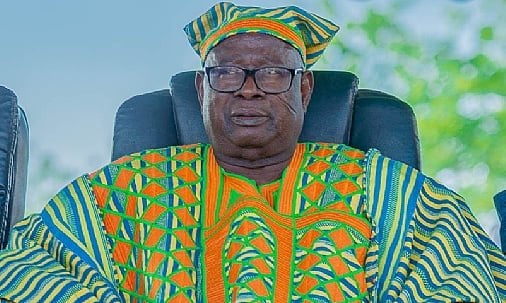
Cletus Avoka, the Member of Parliament for Zebilla, has strongly criticized the government for its alleged complicity in the recent escalation of violence related to the long-standing chieftaincy dispute in Bawku. This conflict resurfaced with the return of rival chief Alhaji Seidu Abagre, who had been in exile. The renewed tensions have resulted in the tragic loss of at least eight lives and numerous injuries, highlighting the severity of the situation. As violence reemerges in Bawku, the community is grappling with the consequences of this unresolved conflict, drawing attention to the need for effective government intervention and peace measures.
In light of the recent conflict, the Ghana Police Service has intensified security measures along the Bolga-Tamale highway following a shooting incident over the weekend. This increase in security aims to reassure the public amid growing fears for their safety. The government has taken further steps to contain the unrest by imposing a curfew in Bawku, which began on October 28, 2024, from 6:00 PM to 6:00 AM daily. The curfew was instituted following an emergency meeting of the National Security Council, presided over by President Nana Addo Dankwa Akufo-Addo, indicating the seriousness with which the government is treating the ongoing crisis, albeit with criticism from local representatives regarding its effectiveness.
Avoka’s remarks highlight a perceived lack of proactive measures on the part of the government to address the situation in Bawku. He has pointed out that previous warnings to the government regarding the potential for violence following Abagre’s return have gone unheeded. Avoka underlines that if the government had acted with sincerity and a genuine commitment to peace, the current violence could have been prevented. His statements underscore a growing frustration among local leaders that the government has not adequately prioritized the resolution of the Bawku chieftaincy conflict, which has deep historical roots and implications for community cohesion.
Despite the escalating tensions and calls for urgent action, Avoka has opposed suggestions to declare a state of emergency in Bawku and its surrounding areas. He believes that such a drastic measure may not properly address the underlying issues and could potentially exacerbate the situation. Instead, he advocates for a cohesive strategy that involves community engagement and genuine dialogue between the conflicting factions, suggesting that the government should reassess its approach toward resolving the chieftaincy crisis rather than imposing heavy-handed interventions that may not yield lasting solutions.
The long-standing chieftaincy dispute in Bawku has deep historical and cultural implications, making it a complex issue that requires sensitive handling. Government responses must take into consideration the community’s needs and fears while promoting peace and reconciliation. Avoka’s insistence on the need for sincere engagement from the government reflects a broader sentiment among residents who desire stability and a return to normalcy within their community.
In conclusion, the current unrest in Bawku exemplifies the challenges that arise when longstanding disputes are met with inadequate governmental responses. The increasing violence following the return of Alhaji Seidu Abagre serves as a reminder of the consequences of political and social unrest on communities. Calls for deeper engagement and a proactive approach to conflict resolution from local representatives like Avoka are essential for restoring peace. The government’s commitment will be crucial in bridging the gap between conflicting factions and averting further violence, highlighting the importance of responsive leadership in times of crisis.








