









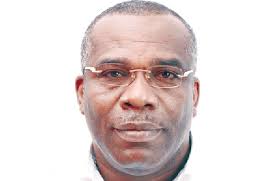
The potential appointment of Mr. Ekow Obeng Kenzo as acting Chief Executive of the Volta River Authority (VRA) has sparked a firestorm of controversy within the National Democratic Congress (NDC) caucus and among VRA staff. They argue that elevating Mr. Kenzo to this critical leadership position would jeopardize the integrity and operational effectiveness of the VRA, a cornerstone of Ghana’s energy sector. Their concerns stem from a series of serious allegations levelled against Mr. Kenzo, ranging from financial impropriety and mismanagement to accusations of bullying and questionable leadership practices. These allegations paint a troubling picture of a candidate whose appointment could undermine public trust in the VRA and potentially destabilize Ghana’s energy landscape.
At the heart of the controversy lies a $52 million procurement scandal, brought to light by journalist Kelvin Taylor on his program ‘With All Due Respect TV (WADR-TV).’ The scandal involves allegations of sole-sourcing irregularities, implicating both Mr. Kenzo and former Chief Executive, Mr. Emmanuel Antwi Darkwa. This controversy raises serious questions about financial accountability and transparency within the VRA, casting a shadow over Mr. Kenzo’s suitability for the top leadership role. Critics argue that appointing someone implicated in such a significant financial scandal would send the wrong message and potentially encourage further impropriety.
Beyond the procurement scandal, Mr. Kenzo’s handling of a critical incident involving the Akosombo Dam has drawn sharp criticism. His decision to open the dam’s spillway gates, allegedly without adequate consultation or precautionary measures, resulted in widespread flooding and displacement of thousands. This incident highlights a concerning lack of crisis management skills and disregard for established protocols, according to critics. Experienced VRA staff members claim their expertise was ignored, exacerbating the flooding and its devastating consequences. This incident underscores concerns about Mr. Kenzo’s judgment and his ability to handle complex and potentially high-stakes situations.
Adding to the growing list of concerns are allegations of Mr. Kenzo’s workplace conduct. Numerous VRA employees have described him as a “bully,” painting a picture of an authoritarian leadership style that fosters a toxic work environment. Reports of favoritism in staff promotions and allegations of inappropriate relationships further erode trust and confidence in his leadership. These accusations raise questions about his ability to foster a positive and productive work environment, essential for the effective functioning of a critical institution like the VRA.
Furthermore, despite serving as Deputy Chief Executive for Engineering & Operations, Mr. Kenzo’s critics argue that he has failed to demonstrate any significant contributions to enhancing Ghana’s power generation capacity. Instead, they point to the costly relocation of power units as a questionable decision that has diverted resources away from more pressing needs. This raises concerns about Mr. Kenzo’s strategic vision and his ability to prioritize investments that contribute to the long-term sustainability and growth of Ghana’s energy sector.
In recent weeks, Mr. Kenzo’s active pursuit of the Chief Executive position has intensified scrutiny of his motives. Allegations of underhanded tactics, including potential bribery aimed at influencing the appointment process, have further fueled opposition to his candidacy. These allegations underscore the need for a transparent and rigorous selection process, ensuring that the next leader of the VRA is chosen based on merit and integrity, not through questionable means.
The NDC caucus and VRA employees are unified in their call for the appointing authorities to reconsider Mr. Kenzo’s appointment. They urge a thorough and impartial investigation into the allegations against him, emphasizing the importance of upholding the highest standards of leadership within the VRA. They argue that appointing someone with such a cloud of controversy hanging over them would not only damage the reputation of the VRA but also undermine public trust in the institution’s ability to effectively manage Ghana’s vital energy resources. The VRA plays a crucial role in Ghana’s economic development, and its leadership must be beyond reproach. Stakeholders are demanding a leader with proven integrity, competence, and a clear vision for the future of Ghana’s energy sector. They advocate for a leader who can navigate the complexities of energy management with transparency and accountability, ensuring a reliable and sustainable energy future for Ghana. The future of the VRA, and indeed Ghana’s energy security, hinges on making the right leadership choices, choices based on merit, integrity, and a commitment to serving the public good.









