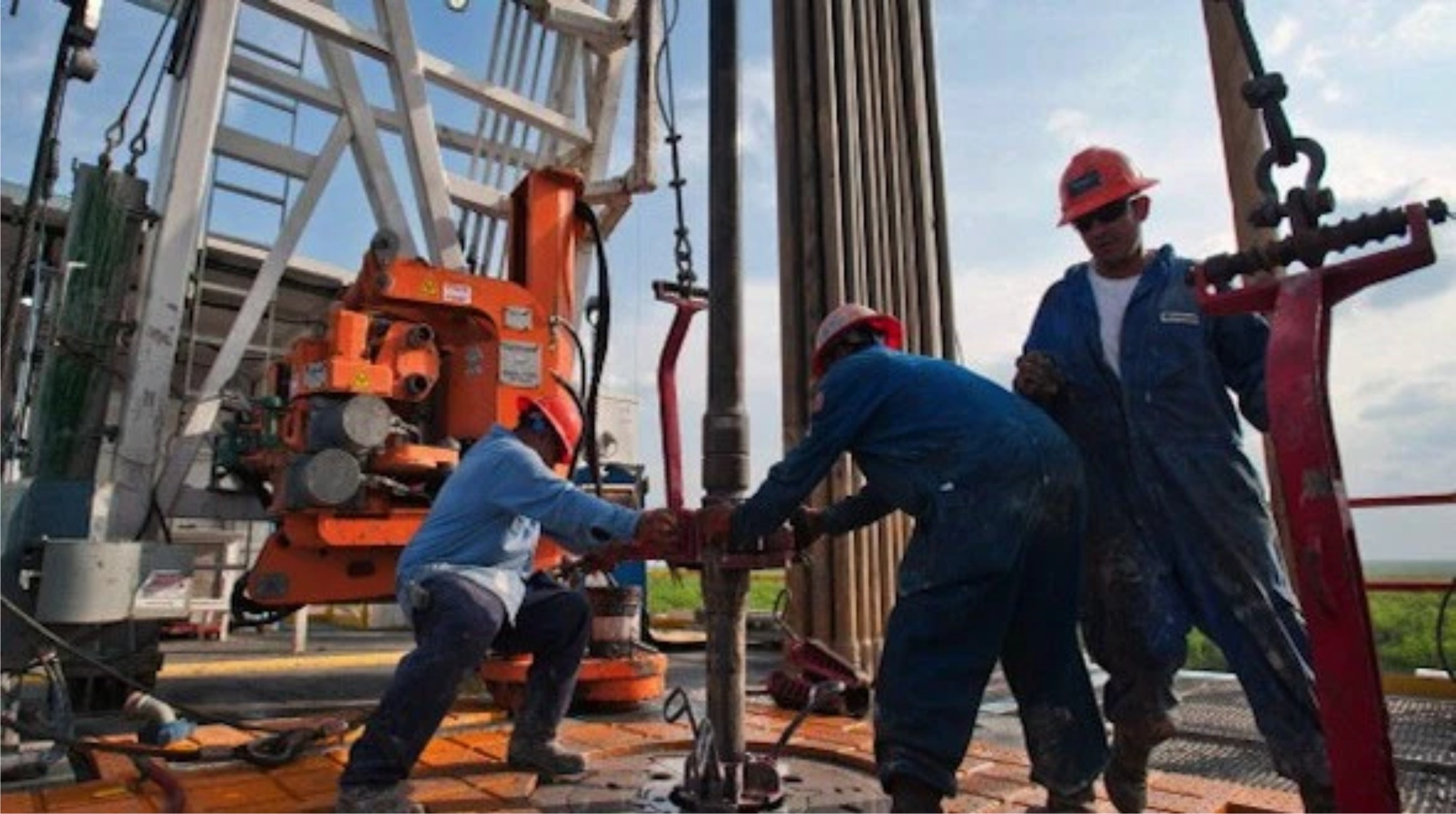
The Federal Government of Nigeria has raised concerns about the stagnation of crude oil production, which remains below two million barrels per day despite the country’s potential to easily double this figure. This information was shared by Olu Verheijen, the Special Adviser to the President on Energy, during the 2024 OTL Energy Week in Lagos. Verheijen emphasized that current production levels and investment in Nigeria’s oil and gas sectors do not accurately represent the country’s vast capacities and resources. Although Nigeria has a notable history in oil and gas production spanning over 80 years and holds 38 percent of Africa’s hydrocarbon reserves, it currently captures only four percent of the continent’s oil and gas investments since 2016.
Under-investment has plagued Nigeria’s significant oil and gas reserves for years, affecting both upstream and downstream segments of the industry. Verheijen noted that these challenges have also extended to the downstream sector, which has suffered from insufficient capital and has been burdened by the fiscal impacts of long-standing petroleum product subsidies. Recognizing these systemic issues, President Bola Tinubu’s administration is implementing comprehensive reforms aimed at transforming Nigeria into a more attractive global investment destination for energy projects. The goal is to unveil a more transparent and reliable regulatory environment that can encourage increased investment and production levels in the energy sector.
Verheijen articulated that reform begins with ensuring a consistent regulatory environment and clearly defined roles within various agencies, specifically the Nigeria Upstream Petroleum Regulatory Commission and the Nigerian Midstream and Downstream Petroleum Regulatory Authority. By creating a stable and predictable regulatory framework, the government aims to foster a business atmosphere that is both transparent and competitive, thus attracting more private investments into the sector. This change is seen as crucial for realizing Nigeria’s full oil production potential and improving its standing in the global energy market.
To further incentivize investment in cleaner energy sources, the government has introduced fiscal policies that include waivers on import duties and value-added tax for the sale and distribution of gases such as Compressed Natural Gas, Liquefied Natural Gas, and Liquefied Petroleum Gas. This initiative also extends to electric vehicles, emphasizing Nigeria’s commitment to a sustainable energy transition. Since January, investments in these areas have exceeded $500 million, with a specific initiative focused on creating a viable market for Compressed Natural Gas that has attracted over $175 million in private financing alongside governmental support. Moreover, the establishment of over 125 vehicle conversion facilities indicates a significant increase from just seven in 2023, showcasing the growing momentum for cleaner transportation options.
A highlight of Nigeria’s recent advances in the downstream energy sector is the commencement of operations at the Dangote refinery, the world’s largest single-train crude oil refinery with a capacity of 650,000 barrels per day. Verheijen remarked on the substantial implications this project holds for the Nigerian petroleum sector and the broader economy. The Dangote refinery signifies a critical move towards achieving self-sufficiency in petroleum products and reinforces the fundamental principle of local value addition within the energy sector. This development reflects Nigeria’s potential to emerge as a leader in energy production, enhancing both national economic stability and energy security.
In conclusion, the Nigerian government remains committed to fostering a conducive environment for private sector investment across the energy value chain. Verheijen reiterated the administration’s overarching goal to not only boost production levels but also to sustain the momentum initiated with landmark projects like the Dangote refinery. By actively authorizing reforms, clarifying regulations, and providing fiscal incentives, Nigeria aims to realize its capabilities and reposition itself as a competitive player in the global energy landscape, ensuring the growth and sustainability of the nation’s oil and gas industry for years to come.