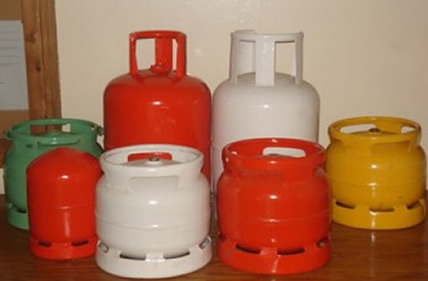
The price of Liquefied Petroleum Gas (LPG) in Nigeria has seen a staggering increase of approximately 114 percent, rising from N700 per kilogram in June 2023 to N1,500 per kilogram by October 2024. This dramatic shift corresponds with the tenure of President Bola Tinubu, whose administration’s devaluation of the naira has significantly impacted the economy. The naira’s exchange rate has plummeted from less than N700 to around N1,700 against the dollar, raising concerns about the affordability of cooking gas, which is predominantly priced in U.S. dollars. The surge in LPG prices can be largely attributed to the country’s dependency on imports, as over 60 percent of the cooking gas consumed in Nigeria is imported, leaving local production at less than 40 percent of the national demand of 1.5 million metric tonnes.
Amid these rising costs, industry experts, including Suresh Kumar, CEO of NIPCO Plc, emphasize the need for increased local production of LPG. Kumar urged the government to incentivize companies like Chevron to convert more of their propane output into butane, which is more suitable for domestic consumption. The lack of local production is alarming given the ongoing rise in prices, as fluctuating exchange rates continue to exacerbate the situation. Reports indicate that the average retail price for refilling a 5kg cylinder of LPG rose from N6,430.02 in August 2024 to N6,699.63 in September 2024, indicating a 4.19 percent month-to-month increase and a year-on-year rise of 59.9 percent from N4,189.96 in September 2023.
Analysis of state-specific prices shows that Rivers has the highest average price for refilling both 5kg and 12.5kg gas cylinders, with N7,285.71 and N17,993 respectively. In contrast, Kebbi recorded the lowest price for refilling a 5kg cylinder at N5,950, while Adamawa had the cheapest 12.5kg cylinder at N13,983. On a broader scale, regional disparities exist, with the North-East experiencing the highest average retail price for both cylinder sizes, raising concerns about accessibility across different socioeconomic groups.
This ballooning cost of cooking gas coincides with heightened challenges faced by Nigerians, particularly since the government removed fuel subsidies and allowed the naira to float, compelling individuals to revert to firewood for cooking due to the financial burden imposed by LPG prices. Consequently, this regression poses a significant challenge to the government’s goals of promoting clean cooking solutions and reducing tree felling, which is vital for environmental conservation. Samuel Nwanze, Chief Financial Officer of Heirs Energies, pointed out that achieving clean cooking standards by 2030 will require an investment of $7.5 billion in Nigeria.
The implications of the rising prices extend beyond mere inconvenience; they threaten public health and environmental sustainability. The International Energy Agency (IEA) has reported that over 500,000 women in Africa die each year from health issues related to cooking with firewood or charcoal. The burden of energy poverty predominantly falls on women, who expend hours collecting firewood, thus hindering their opportunities for education and economic empowerment. The ongoing price increases emphasize the urgent need for both governmental and private sector intervention in addressing the cooking energy crisis, ensuring that all Nigerians have access to clean, affordable cooking solutions.
In conclusion, the continuous rise in LPG prices poses a multifaceted problem for the Nigerian populace, driven by economic policies, exchange rate fluctuations, and reliance on imports. As local production remains insufficient, the demand for alternatives like firewood threatens both health and the environment. The government’s path toward addressing these issues involves not only improving local production capacity but also exploring financial solutions to facilitate accessible energy sources for all, particularly in the effort to achieve clean cooking standards by 2030. Without decisive action, the social and environmental impacts will exacerbate the crisis, widening existing inequities and jeopardizing efforts to promote sustainable cooking practices in Nigeria.