





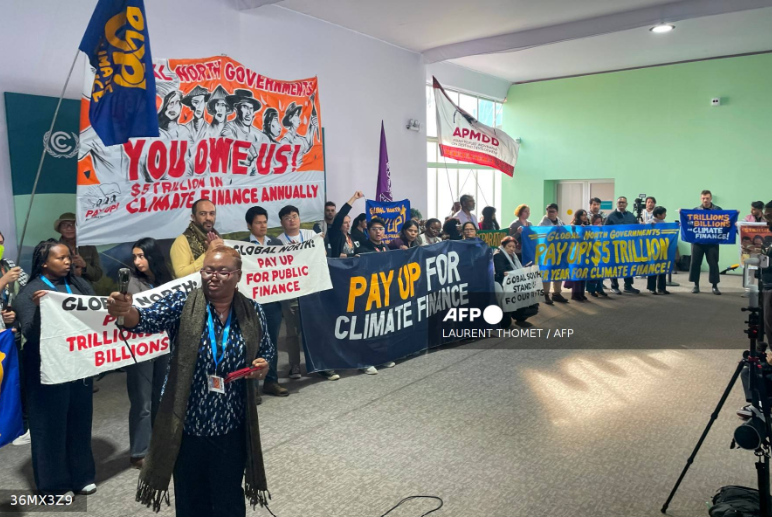
Negotiators from almost 200 nations gathered in Baku, Azerbaijan, for COP29 to seek a meaningful compromise addressing the urgent climate crises faced by poorer countries. With rising sea levels, intensified droughts, and increasing natural disasters, the stakes for vulnerable nations have never been higher. However, after a long night of discussions, no final draft that satisfies all parties had emerged by dawn. Azerbaijan aimed to reach a consensus by late morning but found itself in deep contention over financial commitments from wealthier nations to support climate initiatives in developing countries.
As negotiations progressed, wealthy countries proposed an increase in climate financing for poorer nations from the previously established $100 billion to $250 billion annually by 2035. This proposal was met with strong backlash from those countries who argued that this amount was inadequate for the extensive financial support necessary to transition to clean energy and enhance resilience against climate-related challenges. Tina Stege, the climate envoy of the Marshall Islands—an atoll nation under threat from rising seas—voiced the sentiment shared by many, calling the proposal “shameful.” Representatives from the Alliance of Small Island States echoed these concerns, stating the offer displayed a “contempt for our vulnerable people.” Many developing countries, insisting on a minimum of $500 billion, emphasized that inflation could substantially diminish the proposed figures’ effectiveness.
Further complicating the negotiations, experts affiliated with the United Nations had indicated that developed nations should consider tripling their commitment by the year 2030, a figure that Brazil has supported for COP30, advocating for $300 billion in contributions from wealthier states. However, a senior US official conveyed a lack of interest in negotiating a figure higher than $250 billion, implying that achieving this target would require an unprecedented level of ambition and cooperation. With the impending presidency of Donald Trump potentially signaling a retreat from global climate diplomacy, voices from various countries, including Germany, stressed the necessity for collaborative financial mechanisms to meet obligations, suggesting that measures like debt restructuring should be on the table.
The draft negotiations also included an overall target for raising at least $1.3 trillion per year by 2035 from multiple sources, including both developed countries and the private sector. Nevertheless, activists like Obed Koringo from Kenya dismissed the $250 billion proposal as ludicrous, arguing for a more significant commitment. The former advisor to Barbados’s Prime Minister, Avinash Persaud, highlighted a sense of cautious optimism, suggesting that the talks might be nearing a consensus, though outcomes might leave many parties dissatisfied. The prospect of a deal that does not substantially honor the financial needs of developing nations raised concerns about its legitimacy and effectiveness.
Furthermore, discussions have highlighted the expectation that emerging economies, like China, should contribute to global financing efforts to combat climate change. Despite being classified as a developing nation, China offers climate assistance but insists on doing it on its own terms. The negotiations also faced opposition regarding policies targeting fossil fuels. A Saudi representative firmly stated that their group would not tolerate any text that specifically targets fossil fuel sectors, highlighting ongoing tensions around energy dependencies. German Foreign Minister Annalena Baerbock criticized such stances, suggesting that some countries were counterproductive to climate goals by attempting to roll back advancements.
Azerbaijan’s leadership in these negotiations has come under scrutiny. As an authoritarian state reliant on oil and gas exports, the nation has struggled to effectively mediate these complex discussions. The European Union urged stronger leadership from Azerbaijan, especially in light of the host’s critical remarks about Western nations while promoting fossil fuels as valuable resources. These COP29 talks take place amidst a backdrop of escalating climate-related disasters around the world, including catastrophic storms, droughts, and floods, reinforcing the sense of urgency for substantive and equitable climate action now.








