





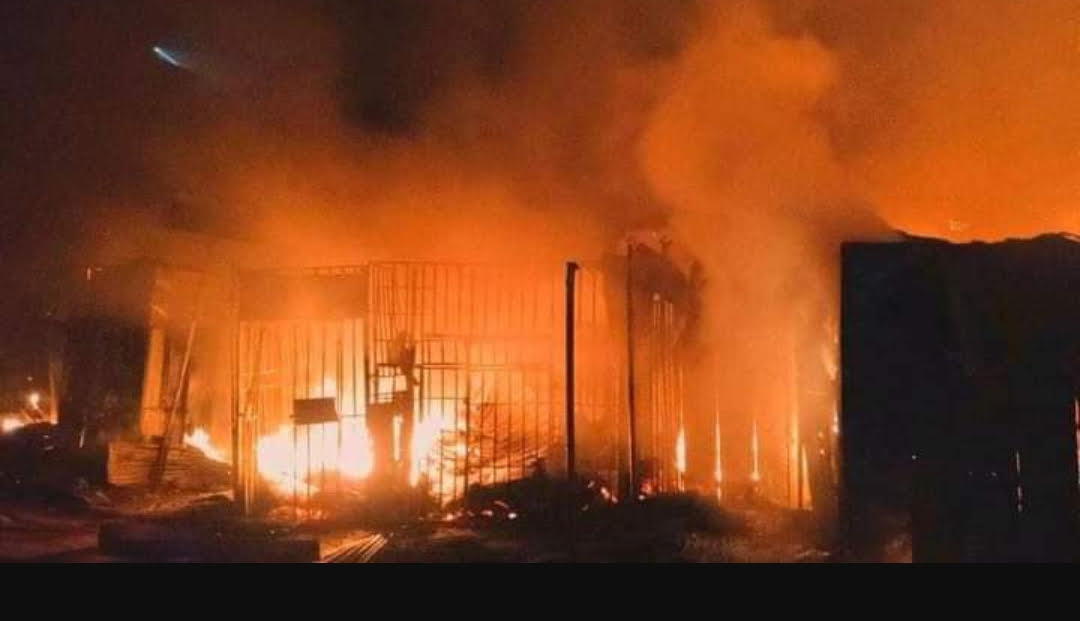
This tragic incident underscores the devastating impact of house fires, particularly their potential for rapid escalation and the resulting loss of life. The swift response of the fire service, despite arriving after the fire had been controlled, highlights the critical role of effective fire safety measures and the importance of early detection and response. The fact that the fire was already controlled upon their arrival suggests possible community intervention, which emphasizes the role of neighbors and bystanders in initial fire suppression efforts. However, the unfortunate outcome of the incident, despite the seemingly controlled blaze, draws attention to the insidious nature of smoke inhalation, a significant cause of fire-related fatalities.
The details surrounding the fire, such as the size and layout of the dwelling, provide a glimpse into the vulnerability of residential structures, especially in densely populated areas. A ground floor dwelling measuring 50 x 25 feet, comprising only two rooms, suggests a potentially limited escape route, exacerbating the danger in case of a fire outbreak. The time of the incident, the wee hours of Friday, further amplifies the risk, as occupants are likely asleep and less alert to danger. This highlights the importance of having functional smoke detectors and pre-planned escape routes, especially during nighttime hours.
The confirmation of the victims’ ages, 67 and 52 years old, brings a human dimension to the tragedy, reminding us of the devastating impact on families and communities. The fact that they were trapped by smoke rather than direct flames underscores the hidden danger of smoke inhalation, which can quickly incapacitate and lead to asphyxiation. This emphasizes the critical need for public awareness campaigns on fire safety, including the importance of having working smoke detectors, practicing escape drills, and understanding the dangers of smoke inhalation.
The handover of the bodies to the local ward head signifies the customary practices following such tragic events and underscores the community’s role in supporting the bereaved family. The commencement of investigations into the cause of the fire is a crucial step in not only understanding the specific circumstances of this incident but also in preventing similar tragedies in the future. Identifying the root cause, whether it be electrical malfunction, negligence, or other factors, can inform preventative measures and contribute to community fire safety education.
The incident serves as a stark reminder of the importance of fire safety preparedness in all residential settings. This includes regular checks of electrical appliances and wiring, proper storage of flammable materials, and the development of a family escape plan. The installation and maintenance of smoke detectors are particularly critical, as they can provide early warning signals, significantly increasing the chances of survival in a fire outbreak. Public awareness campaigns and community fire safety initiatives can play a vital role in disseminating this crucial information and empowering individuals to take proactive measures to protect themselves and their families.
Furthermore, the incident underscores the need for readily accessible and adequately equipped fire services. While the fire service in this case responded promptly, the fact that the fire was already controlled upon their arrival suggests the importance of community-based first response mechanisms. Equipping communities with basic fire safety training and resources could enable them to effectively respond to initial outbreaks, minimizing damage and potentially saving lives. In addition, continued investment in fire service infrastructure, including equipment and personnel training, is crucial for ensuring effective response and mitigating the impact of such tragedies.








