





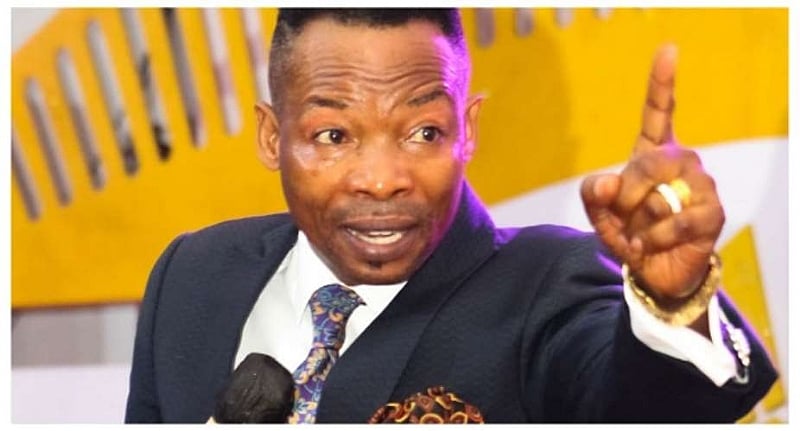
In recent developments surrounding the tragic accident in East Legon that resulted in the deaths of two 12-year-olds, Salifu Amoako, the Head Pastor of Alive Chapel International, along with the mother of his son, has found themselves in a legal predicament. The authorities have mandated that they file a complaint with the police regarding unauthorized images of their son that are circulating in the media. This instruction comes in light of the ongoing trial where the couple and an additional individual are accused of allowing their unlicensed 16-year-old son to drive a vehicle, leading to the fatal incident. The gravity of the situation has drawn significant media attention and raised questions about minor rights in the context of such tragedies.
During their second appearance in court, Pastor Amoako and the mother voiced serious concerns about the dissemination of their son’s images on social media platforms. They argued that these publications not only intrude upon their son’s privacy but also contravene his rights as a minor, particularly since he is a victim in the tragic event. Their legal team referenced the Judicial Justice Act, which explicitly prohibits the publication of images depicting minors, as a basis for their push to remove the images from circulation. This highlights ongoing conflicts in judicial processes related to minor protections and the responsibilities of the media.
While the prosecution acknowledged the merit in preserving the identity of the juvenile, they raised fundamental concerns regarding how such protective measures could be practically enforced. The question of accountability looms large; it remains unclear who would be tasked with the responsibility of ensuring that the images are removed from social media, and how compliance with any court order could be monitored in real-time. The complexities of the situation reveal the challenges that arise in balancing legal protections for minors with the swift nature of media dissemination and public interest.
After careful consideration, the court has advised Pastor Amoako and the child’s mother to approach the Ghana Police Service to formally file a complaint regarding the unauthorized sharing of their son’s images. This decision emphasizes the role of law enforcement in addressing potential violations of privacy and safeguarding the rights of minors within the context of legal proceedings. By channeling their concerns through the police, the couple hopes to initiate further investigations and actions that could potentially lead to the removal of the images in question.
The incident has sparked widespread discussions on the ethical responsibilities of media outlets in covering such sensitive matters involving minors. With the rise of social media, images and information can spread rapidly, often without regard for the rights and dignity of those involved. This case serves as a critical reminder of the delicate balance between public interest and the rights of individuals, particularly when minors are involved in tragic scenarios. It underscores a pressing need for robust legal frameworks that can efficiently address the complexities of modern media in protecting vulnerable populations.
In summary, the intersection of law, media ethics, and juvenile rights is vividly illustrated in the ongoing trial involving Pastor Salifu Amoako and the tragic accident that has gripped the community’s attention. With guardians urging legal protections for their child while confronting implications of media exposure, this case embodies a broader societal challenge. It calls on legal systems, media, and the public to consider the ramifications of their actions when dealing with vulnerable individuals, especially minors caught in tragic circumstances. The unfolding proceedings will not only affect those directly involved but also shape future discourse on minors’ rights in journalism and social media.








