





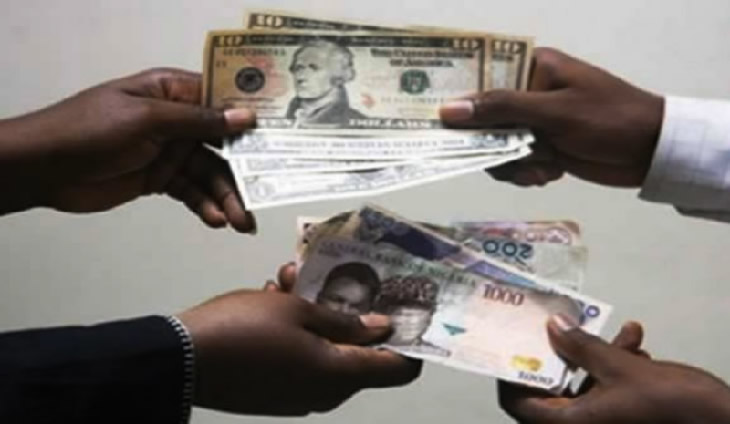
Nigeria’s foreign exchange (FX) market experienced a significant contraction in December 2024, with turnover plummeting by 32.28% to $9.74 billion, down from $14.39 billion in November. This substantial decline, as reported by FMDQ Exchange, underscores the impact of ongoing FX market reforms implemented by the Central Bank of Nigeria (CBN) and broader liquidity challenges within the Nigerian economy. The CBN’s interventions, including new guidelines for FX inflows and outflows, aimed to stabilize the naira and address market distortions, but also contributed to the reduced trading activity. The FX market, typically a dominant segment of Nigeria’s financial landscape, saw its share of total spot market turnover decrease from 41.15% in November to 37.36% in December, further highlighting the depth of the slowdown.
Despite the shrinking trading volume, the naira appreciated against the US dollar during December, averaging N1,564.97/$, a 6.55% strengthening compared to the N1,667.41/$ average in November. This appreciation, equivalent to N102.44, suggests that the CBN’s efforts to bolster the naira’s value were yielding some positive results. However, the period also witnessed increased exchange rate volatility, with the naira fluctuating between N1,524.88/$ and N1,672.69/$, a wider band than the N1,639.50/$ to N1,690.37/$ range observed in November. This heightened volatility indicates the presence of speculative activities and a cautious approach adopted by market participants navigating the evolving FX landscape.
The decline in FX market turnover had a ripple effect across Nigeria’s financial markets, contributing to a broader contraction. Total spot market turnover across all product categories, including fixed income and money market instruments, dropped by 29.58% to N41 trillion in December. This overall decline reflects the interconnectedness of various financial market segments and the sensitivity of trading activity to regulatory changes and economic conditions. The reduced liquidity in the FX market likely spilled over into other areas, dampening investor confidence and contributing to the broader market downturn.
The fixed income market experienced a notable contraction, with turnover decreasing by 22.98% to N13.83 trillion. This decline was driven by reduced trading activity in key instruments such as treasury bills, Open Market Operations (OMO) bills, and Federal Government of Nigeria (FGN) bonds. Similarly, the money market segment witnessed a 27.34% drop in turnover to N11.86 trillion, primarily attributed to a decrease in Repo/Buy-back transactions. These declines in fixed income and money market activity suggest a broader trend of reduced liquidity and investor caution within the Nigerian financial system.
A key development during December was the CBN’s launch of the Electronic Foreign Exchange Matching System. This new platform mandates authorized dealers to conduct all FX transactions through the system, promoting transparency and real-time reflection of trades. The aim is to enhance market governance, facilitate a market-driven exchange rate accessible to the public, and curb speculative activities that can distort market dynamics. By providing greater oversight and control, the CBN expects to mitigate market manipulation and improve its regulatory effectiveness in the FX market.
In conclusion, December 2024 witnessed a significant downturn in Nigeria’s FX market, characterized by a sharp drop in turnover, increased volatility, and the naira’s appreciation against the US dollar. The CBN’s ongoing reforms, including the introduction of a new electronic trading platform, aimed to stabilize the market and improve transparency. However, these reforms also contributed to the decreased trading activity. The contraction in the FX market further impacted other financial segments, leading to a broader decline in overall market turnover. The long-term effects of these developments and the success of the CBN’s reforms in achieving sustainable market stability remain to be seen. The evolving FX landscape requires continuous monitoring and potential adjustments to policy measures to ensure a healthy and efficient financial market in Nigeria.








