









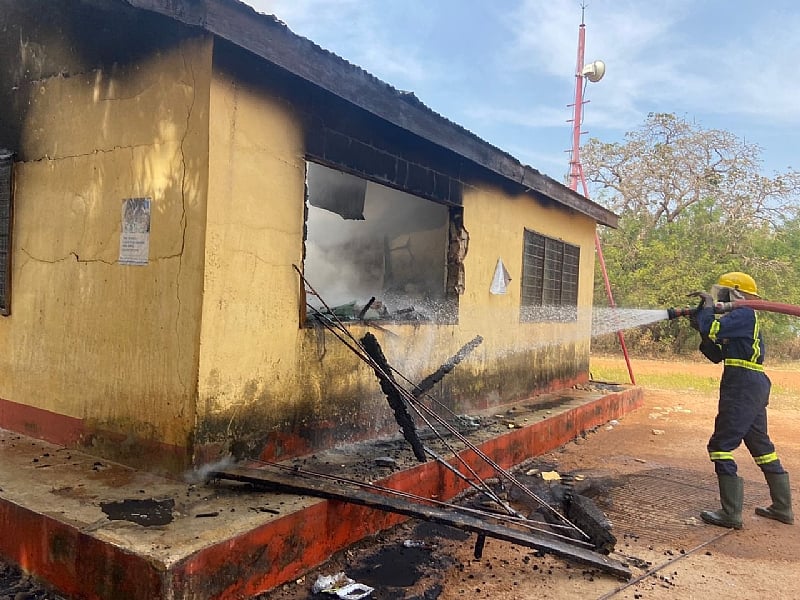
The Damongo Municipal Electoral Commission (EC) office became the unfortunate target of arson, allegedly perpetrated by a group of disgruntled youth protesting the perceived undue delay in the release of election results. This incident, as reported by Citinewsroom, unfolded amidst rising tensions and anxieties surrounding the electoral process. The act of arson resulted in significant damage to the EC office building and its contents, potentially compromising vital electoral materials and equipment. The destruction of physical infrastructure represents a tangible manifestation of the frustration and distrust that can fester when electoral processes are perceived as lacking transparency or efficiency. This incident underscores the fragility of democratic institutions and the importance of maintaining public trust in the integrity and timeliness of elections.
Eyewitness accounts paint a picture of escalating unrest culminating in the torching of the EC office. As the wait for the election results dragged on, the youth’s frustration reportedly intensified, eventually boiling over into direct action. Their decision to target the EC office suggests a belief that the Commission was responsible for the delays and a perceived lack of responsiveness to their concerns. This act of violence underscores the critical importance of clear and consistent communication from electoral bodies, particularly during periods of heightened anticipation and uncertainty. Open and regular updates about the vote counting process and any unforeseen delays could potentially mitigate public anxieties and prevent such escalations of frustration.
The rapid spread of the fire through the EC office building highlights the potential for localized acts of violence to quickly spiral into more extensive damage. The destruction of electoral materials and equipment not only disrupts the immediate electoral process but also has long-term implications for the functioning of the electoral commission. The loss of vital records, computers, and other resources can hinder future elections and necessitate costly replacements and repairs. Moreover, such incidents can erode public confidence in the security and integrity of the electoral process, potentially discouraging participation in future elections.
This act of arson raises critical questions about the underlying causes of the youth’s frustration and the broader societal context in which the incident occurred. While the immediate trigger appears to be the delayed election results, the underlying factors contributing to the unrest may be more complex and far-reaching. Issues such as unemployment, poverty, inequality, and a lack of access to education and opportunities can create a fertile ground for discontent and social unrest. When these underlying grievances are coupled with a perceived lack of responsiveness from authorities, the potential for violence increases significantly.
The incident also underscores the crucial role of security forces in maintaining order and protecting electoral infrastructure during sensitive periods like elections. While the swift response of fire services may have helped contain the blaze and prevent further spread, questions remain about the security measures in place to protect the EC office and other vulnerable locations. Strengthening security protocols, increasing police presence, and enhancing intelligence gathering can help deter future acts of violence and ensure the safety of electoral personnel and materials.
In the aftermath of this incident, a thorough investigation is necessary to determine the exact circumstances surrounding the arson and identify those responsible. Holding the perpetrators accountable is crucial not only for justice but also for deterring future acts of violence. Beyond simply addressing the immediate consequences, however, it is equally important to examine the root causes of the unrest and implement measures to address the underlying grievances that fueled the violence. This includes promoting inclusive dialogue, strengthening democratic institutions, and fostering a culture of peace and respect for the rule of law. Ultimately, preventing future incidents requires a comprehensive approach that addresses both the immediate security concerns and the longer-term societal factors that contribute to unrest.









