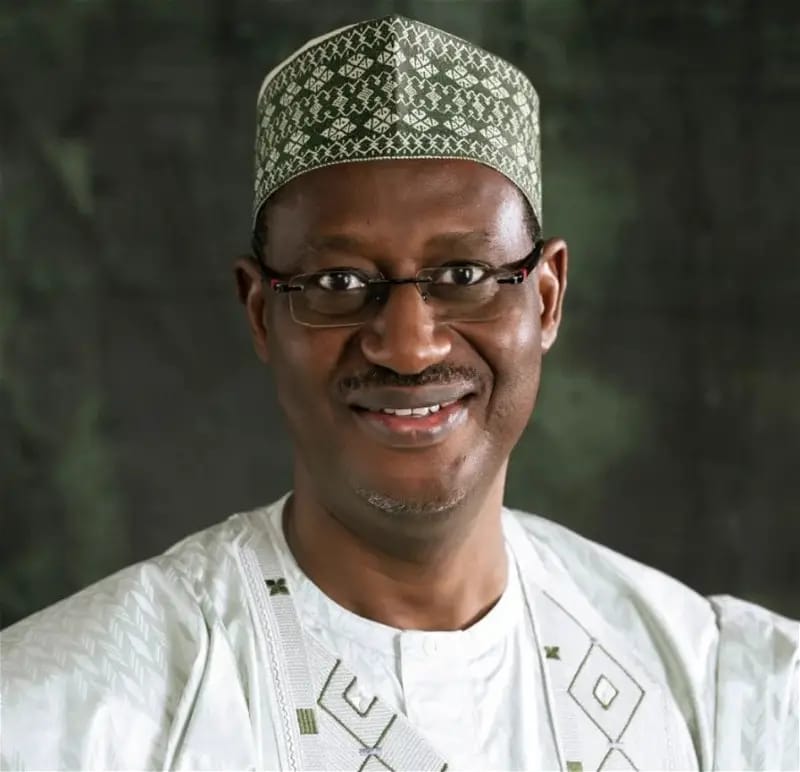
The recent 29th Conference of Directors of Lands in Abuja featured a pivotal address by the Minister of Housing and Urban Development, Ahmed Dangiwa, who underscored the critical role of ground rent payments in bolstering government revenue. During his remarks, Dangiwa pointed out that non-compliance with these payments has led to substantial financial losses for the Federal Government, amounting to trillions of naira. His emphasis on these monetary ramifications serves as a wake-up call for stakeholders in land administration to prioritize the collection of dues. The Minister’s comments reflect a broader concern regarding the financial health of the government and the necessity of ensuring compliance with land-related obligations.
Throughout the conference, Dangiwa noted a troubling trend in land administration: despite the exchange of valuable insights at prior discussions, tangible progress has largely been absent. This observation prompted him to advocate for a shift from mere talk to actionable outcomes, urging participants to adopt a more proactive stance in their engagements. He stressed that continued discussion without implementation would not suffice in addressing the critical issues within land management. His call to action signifies a determination to foster an environment where dialogue translates into practical initiatives that can enhance the efficacy of land administration.
In an important directive, Dangiwa announced a 60-day ultimatum for all Federal Certificate of Occupancy title owners to settle any outstanding ground rent debts. He warned that non-compliance would result in the revocation of Certificates of Occupancy (C of Os), highlighting the severe consequences of inaction. This strong stance indicates the government’s intention to assert its authority in land rights management, emphasizing the essential revenue derived from ground rents for fulfilling the Renewed Hope Agenda. The potential decline in government revenue due to unpaid dues reflects larger systemic issues, and Dangiwa’s uncompromising approach signals a crackdown on fiscal irresponsibility in land stewardship.
Expressing optimism for significant advancements in land administration by the following year, Dangiwa encouraged all stakeholders to take their roles seriously in fostering a cooperative environment. His vision for future progress hinges on measurable outcomes that can be observed and celebrated at the subsequent conference. By outlining clear expectations and holding stakeholders accountable, Dangiwa aims to spark a renewed commitment to improving land management practices across the nation, ultimately supporting both financial sustainability and social equity in land stewardship.
Complementing the Minister’s address, Dr. Marcus Ogunbiyi, the Permanent Secretary of the Federal Ministry of Housing and Urban Development, highlighted the necessity of equitable land stewardship to stimulate economic growth. He acknowledged the profound implications of land management on various socio-economic issues, particularly in relation to community rights and climate change. This acknowledgment reinforces the interconnectedness of land governance with broader issues affecting Nigerian society and indicates a comprehensive approach to land administration that goes beyond mere revenue collection.
The conference, themed “Equitable Land Stewardship: Challenges of Land Administration and Its Impact on Climate Change and Community Rights,” gathered a wide array of stakeholders to deliberate on these urgent matters. Participants critically assessed the effectiveness of past resolutions while advocating for the automation of land titling processes and better inter-agency coordination. This collective effort reflects a commitment to enhancing the efficiency of land administration in Nigeria and recognizing the importance of collaborative frameworks in addressing the complexities of land governance. Overall, the conference signifies a crucial step towards more proactive land administration and equitable management practices.