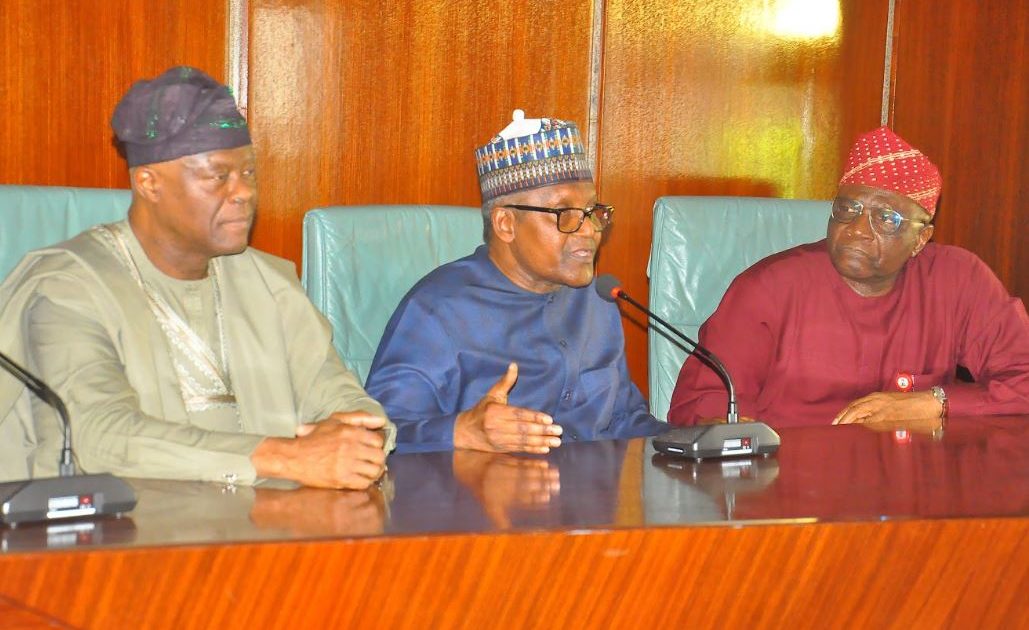
On October 30, 2024, Aliko Dangote, Chairman of Dangote Group, called on petroleum marketers, including the Nigerian National Petroleum Company Limited (NNPCL), to source petrol directly from his refinery to adequately meet the local demand for fuel in Nigeria. His comments came during a significant meeting with President Bola Tinubu, which involved discussions around the country’s oil supply strategies, particularly in light of rising fuel prices and supply chain challenges. A vessel with a substantial delivery of 20,115,000 litres of Premium Motor Spirit (petrol) was also scheduled to arrive at Tincan Island Port in Lagos, highlighting the ongoing issues around fuel availability in the country. Dangote expressed confidence in his refinery’s readiness to supply fuel, noting that it can produce over 30 million litres of fuel each day at full capacity and has a reserve of 500 million litres, which could potentially sustain the country’s needs for over 12 days without imports.
The meeting at the Aso Rock Villa served to brief President Tinubu on the recent activities of the Implementation Committee on Crude Oil and Refined Products Sales in Local Currency, which aims to enhance domestic fuel supplies amid growing public concern over fuel shortages. Dangote pointed out that the resurgence of fuel queues in major cities, primarily due to price hikes and supply chain disruptions, necessitates immediate action from marketers and NNPC. With petrol prices rising to over N1,000 per litre in some regions, there is a palpable frustration among the public, worsened by closures of various petrol stations and the increasing reliance on black market sales. Dangote emphasized that while he is ready to supply petrol, it is ultimately the responsibility of marketers and NNPC to take the initiative to procure the products from his refinery.
In addressing fuel scarcity concerns, Dangote made it clear that his refinery is not involved in retail sales, which he underscored as a crucial distinction. He urged both NNPC and other marketers to come forward and collect the fuel needed, asserting that his capacity to maintain a full storage of 500 million litres is costly and unsustainable without active collaboration from them. According to him, increasing imports would aggravate the already strained logistical situation in the fuel supply chain. He stressed that his refinery is ready to pump fuel as soon as retailers start picking supplies, indicating urgency in alleviating the ongoing scarcity affecting consumers.
Alongside these discussions, the Federal Government had recently mandated the use of the naira for crude oil trading with local refiners. A commitment was made to allocate 445,000 barrels of crude oil daily for domestic use, with Dangote’s refinery being prioritized for this allocation over the next six months. This move also sought to involve the African Export and Import Bank (Afreximbank) as a key facilitator for these transactions, reinforcing the importance of local currency in stabilizing fuel supply chains and reducing reliance on foreign exchange. President Tinubu’s directives from the meeting indicated that both NNPC and independent marketers would be purchasing fuel at a competitive market rate, with Afreximbank acting as intermediary to ensure seamless transactions.
During the discussions, Finance Minister Wale Edun emphasized that the shift towards market-based pricing is essential for the financial health of NNPC and the broader economy. By adopting market rates for both petroleum products and foreign exchange, the government aims to stimulate private sector investments, foster industrial growth, and create jobs. This approach is seen as a significant step toward achieving economic stabilization, ensuring that local refineries can adequately supply domestic needs for various products, including agriculture-related materials, chemicals, and textiles, alongside refined petrol. The government’s strategy aims to enhance overall financial stability, allowing for increased funding of public obligations such as salaries and infrastructure development.
As the situation unfolds, the Nigerian Ports Authority (NPA) continues to manage the logistics of fuel supply, with multiple vessels expected to arrive at various ports, including the Afrikaner ship carrying over 20 million litres of petrol. Some of these vessels are also bringing in other critical supplies, indicating an ongoing effort to balance fuel supply alongside essential goods. The NPA’s daily shipping reports reveal a cautious approach to managing the inflow of domestic and imported products, emphasizing the importance of maintaining a steady flow in order to mitigate the effects of supply disruptions on the Nigerian economy and its citizens.