





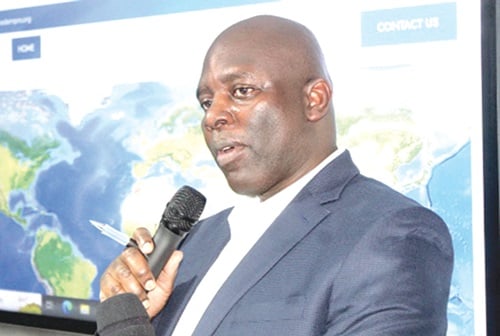
Dr. John Osae-Kwapong, a Democracy and Development Fellow at CDD-Ghana, has emphasized the urgent need for decisive action against corruption to restore public trust in Ghana’s institutions. Speaking at the launch of the Afrobarometer Round 10 report on Trust in Institutions, Corruption, and Elections, he noted the increasing distrust among Ghanaians towards key public institutions such as the Presidency, Courts, Electoral Commission, and Police. He argued that for democracy to thrive, there must be effective implementation of existing anti-corruption laws, which require a consistent enforcement regime that not only detects corruption but also penalizes it decisively. Dr. Osae-Kwapong highlighted that addressing the trust deficit is critical for the stability of Ghana’s democracy and must be approached with urgency.
The Afrobarometer Round 10 Survey produced significant findings regarding the public’s perception of trust and corruption in Ghana. The survey indicated a general decline in trust towards various state institutions over the years, particularly since 2012. Among the public officials perceived as corrupt, the police, presidency, tax officials, Members of Parliament, judges, and magistrates were notably mentioned. This erosion of trust is disconcerting, with 74% of Ghanaians expressing the belief that corruption has increased in the last year, despite a slight decline from the previous year. Dr. Osae-Kwapong reiterated that such perceptions call for an urgent reevaluation of the enforcement of laws designed to combat corruption.
An alarming aspect of the survey is the perception of safety in reporting corrupt practices. The data revealed that only 26% of Ghanaians feel secure in reporting corruption without fear of retaliation, indicating a significant barrier to combating the issue. This decline in the perception of safety underscores not only the prevalence of corruption but also the chilling effect it has on citizen engagement. Dr. Osae-Kwapong maintained that combating fear among citizens who wish to report corruption is vital for strengthening the integrity of public institutions.
Despite the trust deficit, the survey indicates continued support for democratic elections as the preferred method for selecting leaders in Ghana, a sentiment that has remained strong since 2002. However, there is a noticeable shift in public opinion, with more citizens endorsing alternative methods for leadership selection. This evolution in perspective could reflect growing discontent with the electoral process, compounded by perceptions of corruption among elected officials. Yet, remarkably, six out of ten Ghanaians expressed that the 2020 general election was either completely free and fair or had minor issues, suggesting a nuanced view of the electoral process despite concerns over corruption.
Furthermore, the survey identifies key factors influencing voter behavior for the upcoming 2024 polls. The attributes of honesty, character, and campaign promises emerged as significant determinants for Ghanaians when choosing candidates. These values highlight the desire for integrity and accountability among public officials. As Dr. Osae-Kwapong pointed out, the integrity of candidates could become a pivotal point of reflection for voters, potentially affecting the outcome of future elections.
In conclusion, Dr. John Osae-Kwapong advocates for a renewed commitment from the government and relevant institutions to address corruption in Ghana decisively. The decline in public trust highlighted in the Afrobarometer Round 10 survey signals a pressing need for reforms that enhance the integrity and accountability of public officials. Collaborative efforts are critical to safeguard the democratic fabric of the nation, instilling confidence that anti-corruption measures will be implemented effectively and consistently. Only through this commitment can Ghana rebuild trust in its institutions and ensure a fair electoral process for its citizens.








