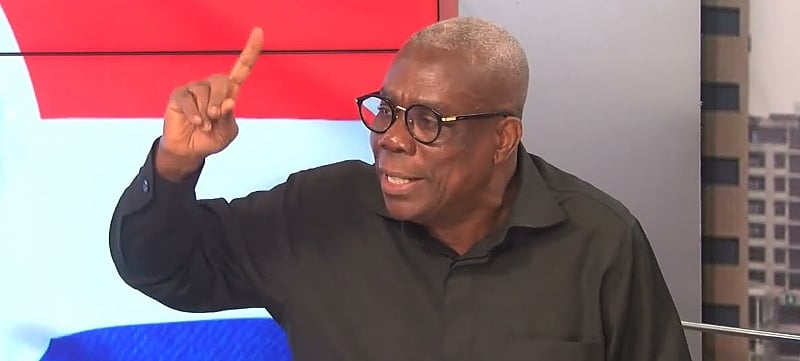
Peter Mac Manu, former national chairman of the New Patriotic Party (NPP) in Ghana, has voiced serious concerns regarding the party’s current delegate system, arguing that its inherent flaws could significantly jeopardize the NPP’s future electoral prospects. His critique centers on the growing disconnect between party delegates and the broader voter base, a chasm fueled by perceived unfairness and preferential treatment towards delegates, particularly during internal elections. This disconnect, Mac Manu argues, threatens the unity and cohesion crucial for electoral success.
At the heart of Mac Manu’s concern lies the controversial practice of distributing money to polling station executives who double as delegates during the selection of presidential and parliamentary candidates. This practice, he contends, creates a visible disparity between the treatment of delegates and ordinary voters, breeding resentment and disaffection among the grassroots who feel their contributions are undervalued. Mac Manu highlights the optics of this practice, noting that the open display of funds received by delegates exacerbates the sense of inequality among ordinary voters who may feel exploited and overlooked despite their crucial role in general elections.
Mac Manu’s critique extends beyond the mere distribution of funds. He points to a fundamental imbalance in expectations and rewards within the party structure. While acknowledging the hard work of polling station executives, he suggests that the rewards they receive, particularly during candidate selection processes, often far outweigh their actual contributions. This imbalance fosters a sense of injustice among ordinary party members who may perceive the system as biased and favoring a select few. The perceived disproportionate compensation of delegates, combined with the financial incentives they receive, creates a perception of an elite class within the party, further alienating the grassroots.
The consequences of this disconnect, Mac Manu warns, are far-reaching and potentially devastating for the NPP’s electoral fortunes. He argues that the perceived preferential treatment of delegates erodes trust and loyalty among ordinary voters, weakening the party’s core support base. This erosion of trust can translate into voter apathy or even defection to rival parties, particularly in closely contested elections. The disconnect also creates a rift between the party elite and the grassroots, hindering effective mobilization and campaign efforts.
Mac Manu’s concerns resonate with many grassroots members who feel marginalized and undervalued within the party structure. The sentiment that their contributions are overlooked while delegates receive preferential treatment fuels disengagement and apathy, undermining the party’s ability to connect with its core supporters. This disconnect, he emphasizes, is not merely a matter of internal party dynamics but has direct implications for electoral performance. A disillusioned and demotivated voter base is less likely to actively participate in campaigns and ultimately cast their ballots in favor of the party.
Therefore, Mac Manu calls for a comprehensive review of the delegate system. He believes that addressing these issues of fairness, recognition, and equitable distribution of resources is crucial for restoring unity and ensuring all members feel valued and respected. Reform, he argues, is not simply about mitigating internal dissent but is essential for strengthening the party’s connection with its base and improving its electoral prospects. A fairer and more inclusive system, he suggests, will foster greater trust and loyalty among all party members, creating a stronger and more unified force capable of effectively competing in future elections. By acknowledging and addressing these concerns, the NPP can begin to bridge the gap between the party elite and the grassroots, ensuring a more cohesive and electorally successful future.