





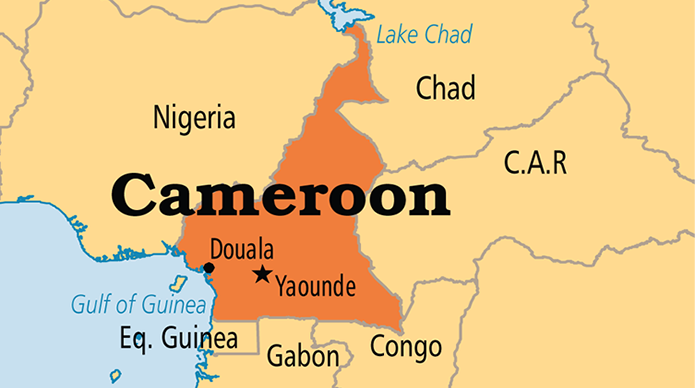
In a deeply troubling event in Cameroon, the deputy mayor of a city in the English-speaking Northwest Region, specifically Bamenda, was reportedly killed following her abduction by armed assailants. According to reports from CRTV state radio, the politician’s lifeless body was discovered two days after she was taken from her home, and the local community is reeling from the violence. The incident was particularly haunting as her children witnessed the abduction, compounding the tragedy with personal trauma. The local prefectural official confirmed the grim discovery, underscoring the volatile security situation in the region.
Bamenda, the capital of the Northwest Region, has become infamous for a series of kidnappings and violent acts since the rise of separatist tensions in 2016. This violence is a part of a broader conflict in which armed groups have targeted civil servants, educators, and other public figures, accusing them of allegiance to a government that many English-speaking Cameroonians feel marginalizes them. The troubling trend of attacks has contributed to an atmosphere of fear and instability, significantly impacting daily life and governance in affected areas.
The backdrop to this ongoing violence lies in the long-standing grievances of the English-speaking populations in Cameroon. The conflict began in earnest when peaceful protests seeking greater autonomy and recognition were met with a brutal crackdown from President Paul Biya’s government, which has held power for over four decades. This heavy-handed response alienated many in the anglophone regions, fueling the sentiment of marginalization against the predominantly French-speaking central government. Escalating tensions have led to a full-blown separatist movement, further exacerbating the conflict.
The statistics surrounding the violence are staggering, with reports from Human Rights Watch indicating that at least 6,000 civilians have lost their lives since the conflict’s onset. This number highlights the human cost of the struggle, which has seen a myriad of atrocities committed by both government forces and separatist fighters. As the violence continues, communities are left to grapple with grief and fear, as the stability they once knew has eroded, replaced by chaos and uncertainty.
The grim fate of the deputy mayor and the recent abduction of journalist Atia Tilarious Azonhw, who was taken in the same city and remains missing, are stark reminders of the dangers faced by individuals in positions of authority or those seeking to report on the situation. The targeting of journalists and public officials suggests that the conflict is not only a fight for territory or political power but also a struggle for narrative control, where those who might challenge the status quo are silenced.
As the crisis festers, the international community watches with concern. Efforts to mediate or resolve the conflict seem to falter, as the entrenched positions of both the government and separatists leave little room for dialogue. The urgent need for a peaceful resolution is paramount, but until underlying issues of governance, identity, and representation are adequately addressed, the cycle of violence and retribution is likely to persist in this troubled region of Cameroon.








