









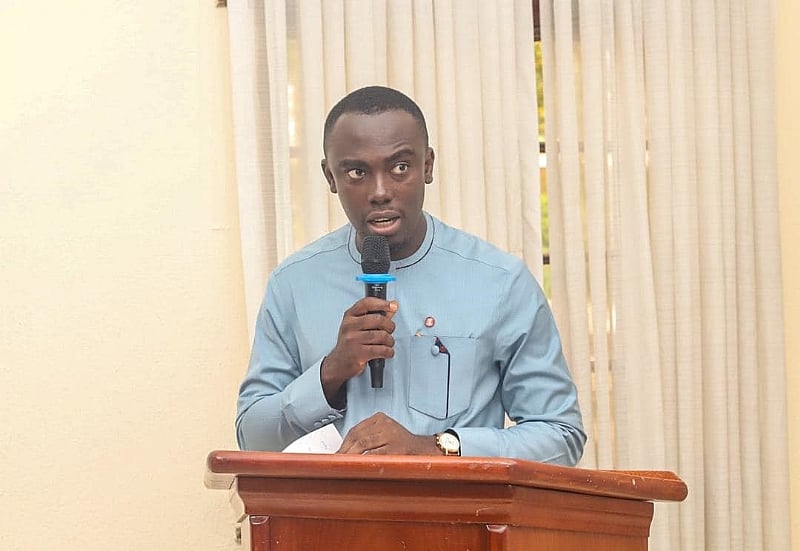
The Deputy Minister for Lands and Natural Resources, Akwasi Konadu, emphasized the need for the rigorous enforcement of the Wildlife Resources Management Act, 2023 (Act 1115), during a consultative dialogue held for stakeholders in Accra. This dialogue was aimed at discussing the critical roles and responsibilities of various regulatory institutions and stakeholders in the environmental and wildlife sectors. Mr. Konadu underscored that strict adherence to the provisions of the Act is essential for the sustainable preservation of Ghana’s wildlife resources. He highlighted the significant role that wildlife plays in maintaining ecological balance and stressed the importance of safeguarding these resources to promote sustainable development.
The Wildlife Resources Management Act, 2023, represents a comprehensive approach to wildlife management in Ghana, replacing the outdated Wild Animals Preservation Act of 1961 (Act 43). Mr. Konadu articulated the key components of Act 1115, which includes stipulations regarding wildlife ownership, the management of protected areas, and guidelines for managing wildlife outside designated zones. The new legislation also covers aspects such as licensing and permits for wildlife-related activities, management practices for wildlife in captivity, and compliance with international conventions that Ghana is party to. This holistic framework aims not only to update existing laws but also to enhance the operational mechanisms related to wildlife conservation in the country.
Critical to the dialogue was the recognition of the necessity to keep practitioners and stakeholders within the wildlife sector informed about the changes brought by the new law. Mr. Konadu pointed out that the effectiveness of Act 1115 depends on the collective understanding and engagement of all relevant parties in the wildlife space. He reiterated that enhancing knowledge about the provisions of the Act is vital for successful implementation and compliance. In this context, the consultative meeting served as an important platform for dialogue, sharing insights, and fostering collaboration among stakeholders involved in wildlife management and conservation.
Furthermore, the Deputy Minister highlighted that enforcing the terms of the Wildlife Resources Management Act will contribute to the long-term sustainability of Ghana’s wildlife resources. Protecting these resources is not only beneficial for the environment but is also crucial for the socio-economic development of local communities that rely on wildlife for their livelihoods. He acknowledged that various communities are dependent on wildlife resources for ecotourism and other economic ventures, which underscores the importance of balancing conservation efforts with the socio-economic needs of the populace.
In light of these discussions, Mr. Konadu called on all regulatory institutions and stakeholders to take an active role in the enforcement of wildlife protection laws. He emphasized that collaborative efforts are necessary to enhance monitoring and regulatory practices, ensuring that the intentions of the Wildlife Resources Management Act translate into tangible actions. The establishment of robust mechanisms for enforcement is essential for curbing illegal activities such as poaching, habitat destruction, and other practices that threaten the survival of wildlife species and their habitats.
In conclusion, the consultative dialogue underscored the pressing need for unified action in conserving Ghana’s wildlife resources. The Deputy Minister’s appeal for rigorous enforcement of the Wildlife Resources Management Act, 2023, reflects a broader commitment to ecological sustainability and biodiversity conservation. By educating stakeholders, enhancing collaboration, and ensuring effective implementation of the new law, Ghana can work towards preserving its unique wildlife for future generations, while simultaneously addressing the socio-economic needs of communities dependent on these natural resources.









