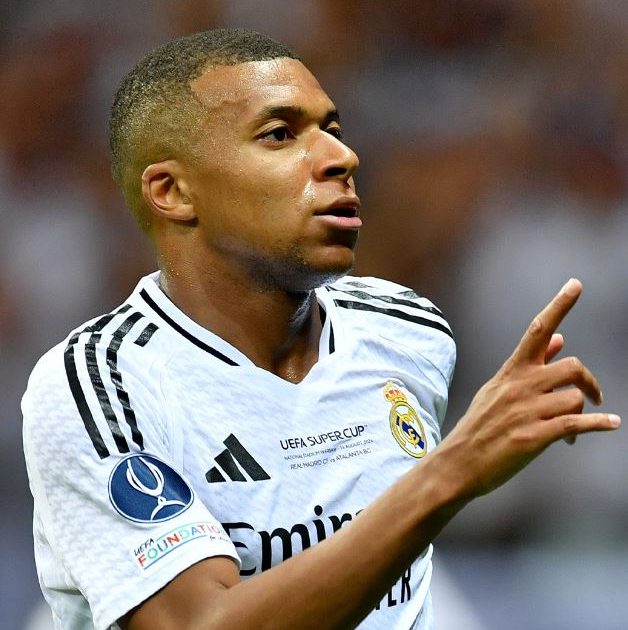
France’s football coach Didier Deschamps addressed the media following the national team’s 2-1 victory over Belgium in the UEFA Nations League, focusing on the negative atmosphere surrounding the team due to recent allegations against captain Kylian Mbappe. A report surfaced from Sweden suggesting that the high-profile striker was under investigation for rape, which Deschamps deemed detrimental to team morale. The coach emphasized that while media may exercise their freedom to report, the implications of such claims can have significant repercussions on the national team’s unity and performance.
The controversy surrounding Mbappe intensified as the Swedish newspaper Aftonbladet reported that a rape allegation had been filed with local authorities. This report did not identify the accused; however, another outlet, Expressen, specified that the 25-year-old Real Madrid player was the suspect. The timing of these reports coincided with Mbappe’s decision to sit out the team’s matches to focus on improving his fitness, and it further fueled speculation and doubt about his commitment and state of mind as the national team prepared for upcoming matches.
In response to the allegations, Mbappe has firmly denounced the reports as “fake news.” Deschamps echoed this sentiment by cautioning the media against hastily publishing unverified information. He advised journalists to exercise discretion and critical thinking before jumping to conclusions about such serious matters, underscoring the necessity of responsible reporting, especially when it concerns high-profile personalities like Mbappe. He emphasized the importance of confirming details before spreading potentially damaging accusations.
Deschamps also suggested that media speculation can lead to unneeded distractions and pressure on the players, particularly for someone like Mbappe, who carries significant weight as team captain. He remarked on the inevitability of sensational reports in sports culture but insisted that the team must learn to navigate these challenges and maintain focus on their performance. This approach is crucial not only for Mbappe but for the entire squad as they prepare to face tougher competition.
A significant aspect of Deschamps’ response involves his decision not to engage Mbappe on the topic, trusting the player’s ability to handle the situation independently. This reflects a broader trend in professional sports where coaches and management often choose to support their players privately while allowing them space to address public scrutiny on their terms. Deschamps’ include a call for the need to verify claims before publishing, thus advocating for greater integrity in journalism.
Overall, the unfolding situation reveals the complex interplay between media reporting, public perception, and the inner workings of a national sports team. The impact of such allegations on players and team dynamics cannot be understated, and as the situation develops, maintaining focus on the game will be a priority for Deschamps and his squad. The challenge remains to manage both the emotional state of the players and the distractions posed by external narratives, ensuring that the team remains competitive and united in their pursuit of success.