





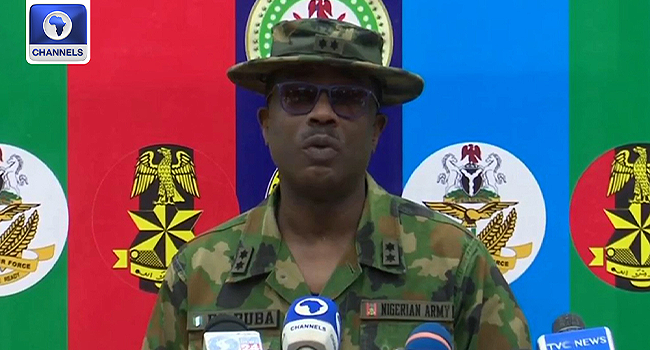
The recent insistence from the Defence Headquarters of Nigeria for metering crude oil pipelines across the nation stands as a crucial initiative aimed at curbing the rampant oil theft that has plagued the country. Major General Edward Buba, Director of Defence Media Operations, emphasized that the implementation of metering systems is essential for accurately determining the daily crude oil production levels in Nigeria. He expressed regret that, despite the military’s calls for metering, no substantial progress has been made to establish such systems. This sentiment reflects a broader concern within the military about the serious economic implications of oil theft and its negative impact on the country’s financial health.
To combat the escalating problem of oil theft, the military has ramped up its surveillance efforts over pipeline infrastructures. Buba pointed to an increase in cooperation between military forces and stakeholders within the oil sector. He noted that these enhanced surveillance measures, while not yet accompanied by metered pipelines, have led to a reported increase in crude oil production. This suggests that military interventions may be yielding some positive results, even in the face of ongoing challenges.
The overarching responsibility for installing meters on crude oil pipelines falls to the Nigerian National Petroleum Company Limited (NNPC). The military has made it clear that they are advocating for the implementation of these measures, and progress is reportedly being made by the NNPC management. However, the urgency of this situation cannot be overstated, as the economic ramifications of oil theft are dire; with significant financial resources lost, the government is compelled to take further steps to protect this vital economic resource.
Recent statistics highlight the severity of oil theft in Nigeria. The Executive Secretary of the Nigeria Extractive Industries Transparency Initiative, Ogbonnaya Orji, reported staggering figures, noting that over ₦4.3 trillion worth of crude oil has been lost to theft over the past five years. This loss involved more than 7,143 cases of pipeline vandalism, emphasizing the critical need for enhanced security and transparency measures in the oil production industry. The economic growth of Nigeria is directly affected by these ongoing challenges, as reliance on oil exports is a significant source of revenue for the government.
In an effort to enhance transparency in oil production and exportation, the Federal Executive Council awarded a $21 million contract on July 13, 2024. This contract aims to install meters at 187 crude oil flow stations nationwide. By doing so, the government hopes to provide a clearer picture of oil production levels and, consequently, improve accountability regarding theft and loss. These metering installations are seen as a critical step in safeguarding national resources and ensuring that oil revenues contribute positively to the nation’s economy.
Despite the push for metering and the financial investments associated with pipeline oversight, there has been a lack of responses and updates from the Nigerian Upstream Petroleum Regulatory Commission regarding the current status of the meter installations. The missing communication from the commission raises concerns about the timelines and efficacy of the planned measures. As stakeholders continue to await developments, the military’s emphasis on metering remains a focal point in the ongoing strategy to counteract the thefts that have substantially hindered Nigeria’s economic progress.








