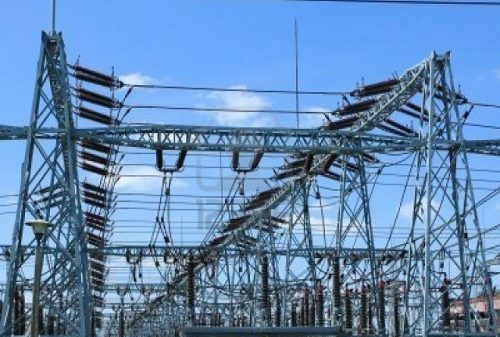
In Nigeria, the electricity distribution sector faces significant challenges, primarily due to governmental shortcomings in subsidy payments for electricity consumed by various customer bands. According to Sunday Oduntan, the Executive Director of Research and Advocacy at the Association of Nigerian Electricity Distributors, only customers in Band A pay the full cost of their electricity usage. Subsequently, other customer bands, specifically Band B to E, benefit from a government subsidy covering approximately 67% of their consumption costs. While this arrangement theoretically aims to help those who cannot afford the actual rates, the government has consistently failed to fulfill its promise to cover these subsidy shortfalls. This situation has led to a growing debt that continues to accumulate, placing additional stress on electricity distribution companies (Discos) as they struggle to balance operational costs with government non-payment.
Oduntan expressed serious concerns regarding the implications of this subsidy structure, emphasizing that Discos are compelled to sell electricity below the production cost. He pointed out that the discussion surrounding electricity pricing should not be framed around affordability but rather focused on establishing a realistic “landing cost” for electricity. This perspective challenges the current narrative that pricing should consider what consumers can afford. Instead, Oduntan argues that establishing a transparent and accurate landing cost should dictate pricing policies. The current practice where electricity is sold at undervalued rates, driven by government insistence and promises of compensation, creates a precarious environment for power providers and hinders the necessary investments to improve infrastructure and service delivery.
In terms of electricity generation capacity, Oduntan highlighted a significant disparity between Nigeria’s needs and its current output, stating that the country requires a minimum of 30,000 megawatts for stable power supply. However, the country is generating only about 5,000 megawatts. This chronic shortcoming has severe implications for Nigeria’s power stability and contributes to frequent grid collapses. Oduntan attributed these systemic failures to a history of neglect and inadequate maintenance of electrical infrastructure, which can be traced back to decades of lackluster governmental oversight and investment initiatives. He lamented that the last major investment in power generation stalled between 1989 and 1999, a decade marked by political instability and leadership instability, which left the power sector stagnant.
Moreover, Oduntan pointed out that the challenges faced by the electricity sector are not merely a result of present-day policies but rather the cumulative effects of historical neglect. He made a stark observation that failures in power sector investment made decades ago continue to impact the current state of electricity supply. Despite population growth and rising demand for power, there has been a failure to construct new power plants or upgrade existing ones, thus exacerbating the current electricity reliability crisis. The lack of proactive governance in tackling these issues historically means that what was neglected in previous years continues to hinder progress today.
The Minister of Power, Adebayo Adelabu, has echoed Oduntan’s sentiments, advocating the need for a cost-reflective tariff system, which would align electricity pricing with actual generation and distribution costs. This proposed shift in policy underscores the complexities of Nigeria’s power sector, where attempts to implement changes often clash with the political realities of inflation and public affordability. Oduntan’s message clearly reiterates the urgency for reforms that focus on realistic pricing mechanisms rather than temporary fixes, emphasizing that correct pricing must be established before any sustainable improvements can occur in the overall power generation and distribution sector.
In summary, the crux of Nigeria’s electricity distribution dilemma resides in the failure of the federal government to honor its subsidy commitments, leading to critical financial shortfalls for distribution companies. The effects of historical neglect in power infrastructure development, combined with the pressing need for substantial capacity improvements, must be addressed holistically. Establishing a clear understanding of the landing cost for electricity, alongside reforms that promote investment in the sector, is vital for the future of reliable and sufficient electricity supply in Nigeria. Without these measures, the nation will remain ensnared in an ongoing cycle of inadequate power generation, unreliable supply, and continued grid failures.