









Paragraph 1: The Allegations and the Accused
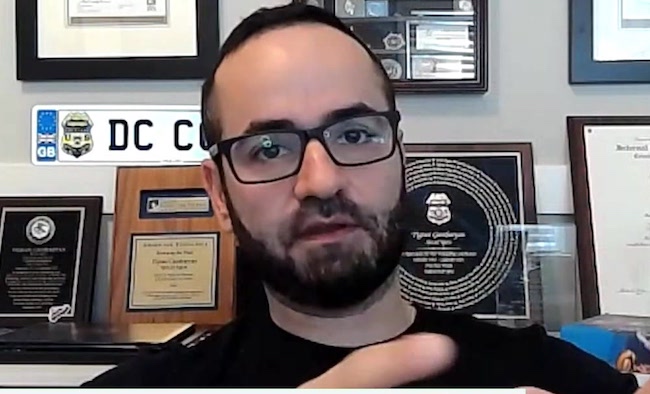
Tigran Gambaryan, the former head of financial crime at Binance, a prominent cryptocurrency exchange, has leveled serious bribery accusations against three Nigerian lawmakers. Gambaryan, who was detained in Nigeria for several months on allegations of money laundering, claims that Representatives Philip Agbese, Ginger Onwusibe, and Peter Akpanke demanded a $150 million bribe in cryptocurrency. This alleged extortion attempt occurred during Gambaryan’s detention, with the lawmakers purportedly pressuring him to comply or face further scrutiny from security agencies. Onwusibe, notably, chairs the House Committee on Anti-Corruption, adding a layer of irony to the accusations. Gambaryan detailed the alleged incident on X (formerly Twitter), describing a staged meeting with non-functional cameras and a blatant demand for the exorbitant bribe.
Paragraph 2: The Lawmakers’ Response and Denials
The accused lawmakers have vehemently denied Gambaryan’s allegations. Agbese, who also serves as the deputy spokesman for the House of Representatives, has challenged Gambaryan to provide evidence to support his claims, threatening legal action if he fails to do so. He maintains that he was merely present at a meeting where Binance representatives were discussing the company’s activities with Akpanke and Anekwe, another committee member, and that he left before any alleged bribe solicitation took place. Agbese emphasizes that he has no knowledge of cryptocurrency and does not possess a crypto wallet, making it impossible for him to have demanded payment in that form. Onwusibe declined to comment, citing ongoing legal proceedings related to the matter. Akpanke has remained unavailable for comment.
Paragraph 3: The Nigerian Government’s Stance and Counter-Narrative
The Nigerian government, represented by Information Minister Mohammed Idris, has dismissed Gambaryan’s accusations as fabrications designed to discredit those who pursued justice against him. Idris asserts that Gambaryan’s initial visit to Nigeria was voluntary and unrelated to any government involvement. He acknowledges that an investigation was launched into alleged bribery demands during that trip, but highlights the absence of a formal complaint. The government maintains that Gambaryan’s subsequent detention stemmed from an investigation into currency manipulation through peer-to-peer platforms like Binance, an investigation allegedly hampered by Gambaryan’s tactics.
Paragraph 4: The Diplomatic Intervention and Gambaryan’s Release
The Nigerian government’s account of the events emphasizes the diplomatic intervention that led to Gambaryan’s release. According to Idris, Gambaryan was freed on humanitarian grounds following high-level diplomatic efforts that yielded significant benefits for Nigeria. The government claims to have rejected Binance’s purported offer of a $5 million payment for Gambaryan’s release, instead opting for a more advantageous settlement with the US government. This detail suggests a complex interplay of international relations and negotiations surrounding the case.
Paragraph 5: The Ongoing Dispute and Potential Legal Ramifications
The conflicting narratives presented by Gambaryan and the Nigerian government create a complex web of accusations and denials. While Gambaryan claims he was the victim of extortion, the government portrays him as a suspect in a financial crime investigation, suggesting that his bribery allegations are a retaliatory tactic. The case underscores the challenges of regulating the cryptocurrency sector, particularly in jurisdictions grappling with corruption and weak institutional oversight. The lack of concrete evidence from either side further complicates the situation.
Paragraph 6: The Need for Transparency and Accountability
The accusations and counter-accusations surrounding Gambaryan’s detention and subsequent bribery allegations highlight the need for transparency and accountability within both the Nigerian government and the cryptocurrency industry. A thorough and impartial investigation is crucial to determine the veracity of Gambaryan’s claims and to hold those responsible accountable, whether they are corrupt government officials or individuals attempting to manipulate the legal system. The case also raises broader questions about the regulation and oversight of cryptocurrency exchanges and their potential role in facilitating illicit financial activities. The unfolding legal battles and potential investigations will undoubtedly shed further light on this complex and contentious affair.









