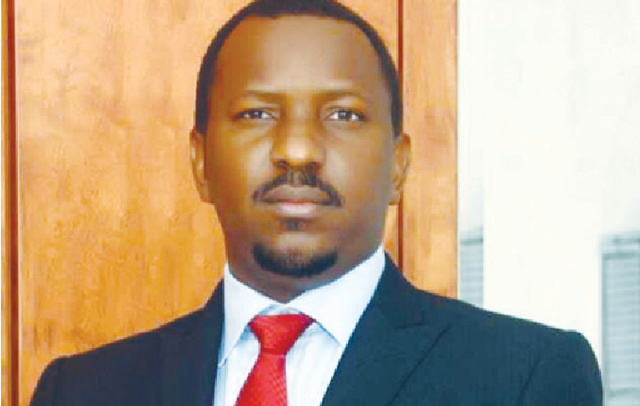
President Bola Tinubu’s recent appointment of Mallam Shehu Dikko as the new Director-General of the National Sports Commission has sparked a diverse array of reactions among Nigerians. Announced following a Federal Executive Council meeting, the appointment is part of a significant reshuffle aimed at enhancing the government’s operational efficiency. Alongside this appointment, Senator John Owan Enoh has transitioned from his role as Minister of Sports Development to the Minister of State for Trade and Investment. This decision has ignited discussions within the sporting community, with many expressing both optimism and skepticism regarding the changes.
Responses on social media highlight a collective concern about the reshuffling of key positions, particularly regarding Enoh’s new role, which some perceive as a demotion. Supporters of Enoh, like Vincent Ayang, have commended his effective leadership in the Ministry of Sports Development, arguing that he should have retained his position. Ayang’s comments resonate with others who noted Enoh’s successful tenure and criticized the decision to reassign him. As a representation of Cross River State, this change was viewed by some as a personal affront to the sporting community, with the sentiment that it disrupts the momentum that was being built under Enoh’s guidance.
Conversely, there are critics who believe that the reshuffle was indeed necessary and that Enoh’s removal was justified. Edidem Alexander’s blunt commentary reflects a portion of the populace’s belief that a change in leadership could bring about new perspectives and improvements in the sports sector. These contrasting views underscore the broader discussions around governance and performance in the Nigerian sports administration, reflecting a nation divided on the efficacy of its leadership decisions.
The mixed reactions extend to the broader implications of Tinubu’s cabinet reshuffle. Some stakeholders welcomed Dikko’s appointment, indicating optimism for the future of sports in Nigeria. Positive remarks from figures such as Benedict Adeyemi and support from fan pages like @Cybereagles focused on the potential for Dikko to bring fresh ideas and leadership to the National Sports Commission. This reaction contrasts sharply with criticisms aimed at the perceived lack of substantial change or improvement in governance, particularly regarding ongoing issues in the economic landscape.
Critics have taken to social media to openly express their frustrations with the political climate and the repeated cycle of appointing individuals without meaningful impact. Comments from users like @5nkid and Pastor Edward Daniel encapsulate a broader sentiment of disillusionment with the ruling party, especially concerning its ability to enact genuine reform. Such comments reflect a growing discomfort among citizens who are keen to see constructive changes and question the government’s commitment to addressing economic issues.
In light of these developments, the reactions surrounding Tinubu’s appointment of Dikko highlight a critical juncture for Nigeria’s sports administration and governance at large. While some express hope for a reinvigorated leadership structure, others remain deeply skeptical, demanding accountability and tangible outcomes. The ongoing debate surrounding these changes is not just about sports but is emblematic of the broader quest for resilient governance that truly reflects the aspirations and needs of the Nigerian populace. As the reactions unfold, there is a clear indication that the citizens are not only interested in leadership appointments but are also vested in the improvements and actualizations that follow them.