









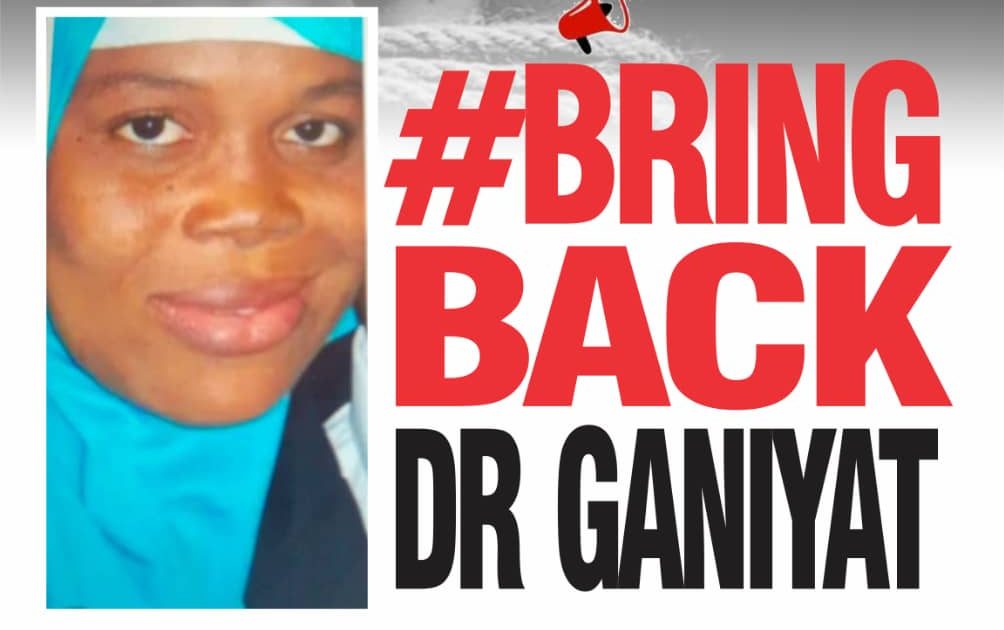
The Nigerian Medical Association (NMA) and the Nigerian Association of Resident Doctors (NARD) have expressed profound relief and gratitude following the release of Dr. Ganiyat Popoola, who was kidnapped for ten months. Her abduction, which occurred on December 27, 2023, also involved her husband, Nurudeen Popoola, and her nephew, Folaranmi Abdul-Mugniy. The kidnappers released Nurudeen on March 8, 2024, after extensive negotiations, but Dr. Popoola remained in captivity until recent events culminated in her freedom. The associations commended the Federal Government and various agencies for their role in securing her release, marking a significant moment in the ongoing struggle against kidnappings in Nigeria, particularly in the healthcare sector.
The news of Dr. Popoola’s release was met with overwhelming joy among members of the medical community, who have actively campaigned for her freedom during her time in captivity. As the NMA President, Prof. Bala Audu, articulated, the sense of relief is palpable, highlighting the collective emotional investment that her case has elicited within the medical profession. Audu expressed heartfelt gratitude not only to God but also to everyone who contributed to the efforts leading to Dr. Popoola’s release. He emphasized the commitment to visiting her as soon as she and her family feel ready, underscoring the supportive role of the medical associations in the aftermath of her ordeal.
Similarly, NARD President Dr. Tope Osundare conveyed immense appreciation for the Federal Government’s involvement and commended specific individuals, including President Bola Tinubu and the Coordinating Minister of Health, Prof. Muhammad Pate, for their interest in the safety and welfare of medical professionals. Osundare underscored the importance of collaboration among various stakeholders that contributed to the successful outcome of Dr. Popoola’s situation. This release signifies progress in addressing the challenges healthcare professionals face in Nigeria, marking a collective acknowledgment of the daunting environment in which they operate.
Despite the palpable relief following Dr. Popoola’s release, Dr. Osundare emphasized the necessity of safeguarding her privacy as she begins her rehabilitation process. He highlighted that the emotional toll of her experience is considerable, warranting a respectful approach as she navigates her recovery from such trauma. The medical community recognizes that health professionals are often subjected to immense psychological stress due to the nature of their work, intensified by incidents of violence, including kidnappings. Therefore, ensuring a conducive environment for healing is paramount, and this involves limiting public access to Dr. Popoola until she is ready to engage with visitors.
While the associations have shown unity and support, efforts to obtain comments from Dr. Popoola’s family were unsuccessful, as they reportedly relocated from Kaduna following the traumatic events. This highlights the ongoing challenges faced by families of kidnapping victims, who must manage the repercussions not only of the abduction experience but also the media attention and societal pressures that follow. The situation remains delicate as families reassess their safety and well-being after such traumatic incidents, indicating the wider societal impact that these kidnappings exert on communities.
In conclusion, Dr. Ganiyat Popoola’s release represents a significant victory for the medical community and a hopeful indication of the efforts made by various stakeholders in challenging the adverse conditions faced by healthcare workers in Nigeria. The palpable gratitude among her colleagues echoes the urgent call for necessary reforms and protective measures for professionals working in high-risk areas. This development is a reminder of the importance of solidarity within communities and highlights the need for ongoing support for victims of violence. The focus now shifts to Dr. Popoola’s recovery, illustrating the collective commitment to advocate for safer working environments and promote the well-being of healthcare professionals amidst ongoing insecurity.









