Power supply stability in Ghana is on the horizon following the successful renegotiation of an agreement between the government and Independent Power Producer (IPP) Sunon Asogli. This significant development was revealed by Finance Minister Dr. Mohammed Amin Adam, who reported that the new deal aims to address recent disruptions in electricity supply caused by a financial impasse between Sunon Asogli and the Electricity Company of Ghana (ECG). On October 16, Sunon Asogli made headlines when it announced the suspension of operations at its 560-megawatt power plant, primarily due to the substantial debt ECG accumulated, which had reached a net amount of $259 million excluding fuel costs by the end of September 2024. This financial shortfall placed considerable pressure on Sunon Asogli, resulting in electricity supply interruptions across various regions in Ghana.
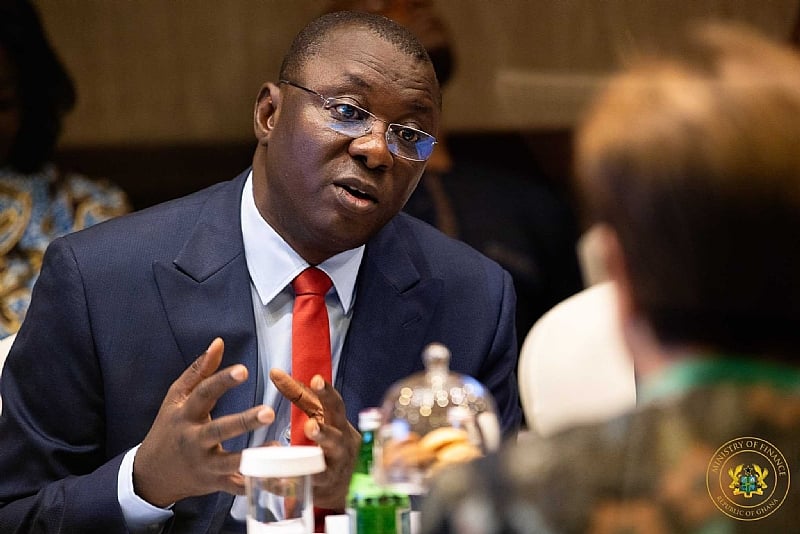
The repercussions of Sunon Asogli’s shutdown were felt nationwide, with many communities experiencing severe and inconsistent electricity supplies, which amplified public concern over the reliability of the national grid. Recognizing the urgent need to restore stability, the Ghanaian government acted promptly to negotiate new terms with Sunon Asogli. The proactive approach aimed not only at resolving the existing crisis but also at establishing a framework conducive to long-term energy security and sustainability in the country. At a media briefing on October 28, Dr. Amin Adam confirmed the successful attainment of a new agreement, which is expected to alleviate the financial strain on Sunon Asogli and restore its operational capacity.
Dr. Amin Adam further elaborated on the significance of the agreement, emphasizing that it is part of a comprehensive restructuring initiative that involves multiple IPPs. The new accord marks a critical advancement in stabilizing Ghana’s energy sector and successfully revising one of the nation’s major power agreements. The renegotiated deal is anticipated to rejuvenate not only Sunon Asogli’s operations but also improve the overall efficiency of the energy supply chain. By stabilizing their financial disputes, the government hopes to assure uninterrupted power flows to consumers, thus serving as a backbone for economic growth and development.
The announcement of the agreement was a welcomed relief for both the government and consumers who had been severely affected by widespread power outages. Dr. Amin Adam confirmed the government’s instruction to ECG to finalize the settlement agreement, stating that the resolution would play an essential role in normalizing relations with Sunon Asogli and paving the way for future cooperation. The successful renegotiation illustrates a collaborative effort by the government and private sector to strengthen the energy framework and address the underlying issues affecting power generation and distribution in Ghana.
Moreover, this agreement is not just limited to Sunon Asogli; it is part of a more extensive restructuring process that also aims to enhance relationships with other Independent Power Producers operating within Ghana. By addressing the systemic challenges facing the energy sector, the government positions itself to create a more robust framework that encourages investment and fosters sustainable growth. Such measures are critical in ensuring that the power supply stability witnessed through this agreement can lead to a reliable, efficient energy ecosystem that boosts productivity and supports the ghanaian economy.
In conclusion, the renegotiated agreement with Sunon Asogli represents a pivotal moment for Ghana’s energy sector. The successful resolution of the financial dispute not only restores power supply stability but also sets the precedent for ongoing reforms aimed at improving relationships with other IPPs. Dr. Amin Adam’s updates underscore the government’s commitment to restructuring the energy sector, ensuring operational efficiency amidst challenges, and ultimately providing reliable electricity to enhance the quality of life for Ghanaians while supporting economic growth. The anticipated stability in power supply signifies hope for consumers and reflects a proactive governance approach toward addressing critical national energy issues.