





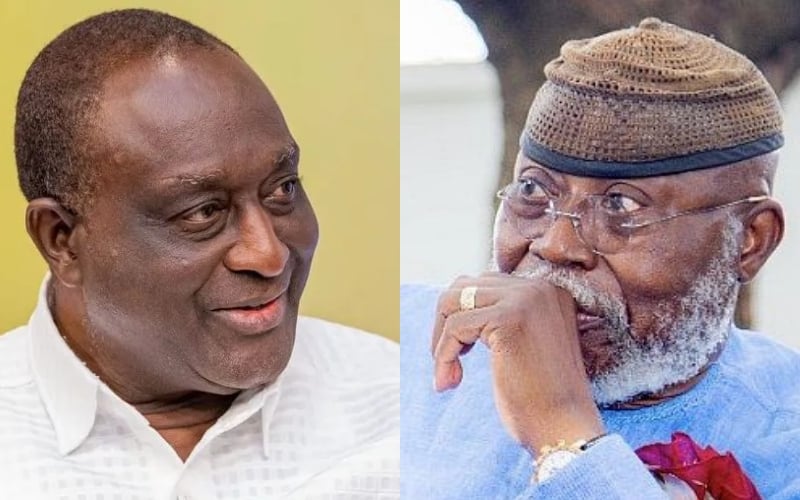
Alan Kyerematen’s political journey, marked by ambition, resilience, and ultimately, disappointment, reached a critical juncture following the 2024 Ghanaian general elections. A founding member of the New Patriotic Party (NPP) and a long-time contender for its presidential nomination, Kyerematen’s decision to break away from the party and contest the election as an independent candidate proved to be a significant miscalculation. His performance, garnering a mere 0.28% of the total votes cast, prompted calls for his retirement from politics, most notably from Dr. Nyaho Nyaho-Tamakloe, another NPP founding member. This resounding defeat not only underscored the limitations of Kyerematen’s political appeal but also raised questions about his strategic decisions and overall political acumen.
Kyerematen’s departure from the NPP stemmed from his repeated unsuccessful attempts to secure the party’s presidential nomination. He had long been considered a strong contender, boasting considerable support within the party. However, he consistently fell short in the primaries, culminating in his 2023 resignation, citing unfair treatment towards him and his supporters. This marked a turning point in his political career, as he chose to challenge the established two-party system by forming the Movement for Change and running as an independent candidate. This bold move, while potentially disruptive, ultimately failed to resonate with the electorate.
The 2024 election was largely dominated by the two major parties, the NPP and the National Democratic Congress (NDC), leaving little room for a third force to emerge. Kyerematen’s campaign, despite positioning itself as an alternative to the established political order, struggled to gain traction. His message failed to capture the imagination of the voters, and his support base remained limited. The election results confirmed the formidable challenge of breaking the duopoly of the NPP and NDC, highlighting the entrenched nature of the two-party system in Ghanaian politics. Kyerematen’s dismal performance served as a stark reminder of the difficulties faced by independent candidates in challenging the established political machinery.
Dr. Nyaho-Tamakloe’s call for Kyerematen’s retirement reflects a broader sentiment within political circles regarding the viability of Kyerematen’s future political prospects. The resounding defeat in the 2024 election, coupled with his previous unsuccessful attempts at securing the NPP presidential nomination, paints a picture of a politician struggling to connect with the electorate. Dr. Nyaho-Tamakloe’s assessment, while perhaps blunt, underscores the significant hurdles Kyerematen would face should he choose to continue his political career. Rebuilding his image and regaining credibility after such a decisive loss would be a monumental task.
Furthermore, Dr. Nyaho-Tamakloe’s criticism of Kyerematen’s decision to serve in President Akufo-Addo’s second-term administration, despite harboring presidential ambitions, points to a perceived strategic misstep. By accepting a position within the administration of a political rival, Kyerematen arguably compromised his ability to present himself as a genuine alternative. This decision may have been interpreted as a sign of political opportunism, potentially alienating voters who sought a candidate untainted by association with the existing political establishment. The implication is that Kyerematen’s participation in the Akufo-Addo administration undermined his credibility as a potential challenger.
In conclusion, Alan Kyerematen’s political trajectory, marked by ambition and ultimately, significant setbacks, reached a crossroads following the 2024 elections. His decision to leave the NPP and run as an independent candidate backfired spectacularly, resulting in a resounding defeat that cast doubt on his future in Ghanaian politics. The calls for his retirement, coupled with criticisms of his strategic decisions, highlight the challenges he faces in rebuilding his political career. Whether he chooses to heed the advice and retire or attempt to resurrect his political fortunes remains to be seen. However, the 2024 election serves as a stark reminder of the difficulties of challenging the established political order and the importance of strategic decision-making in navigating the complex landscape of Ghanaian politics.








