





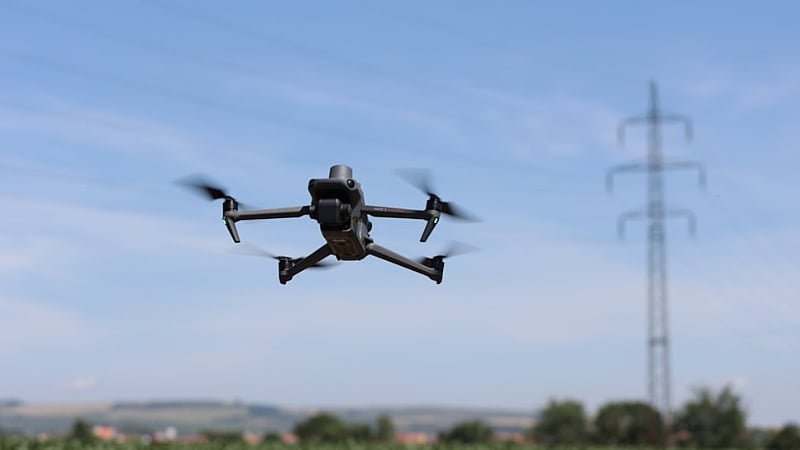
The Ministry of National Security in Ghana has declared a comprehensive ban on all drone operations within the vicinity of Black Star Square and its surrounding areas during the inauguration ceremony of President-elect John Dramani Mahama, scheduled for January 7, 2025. This restriction encompasses all types of unmanned aerial vehicles (UAVs), commonly known as drones, irrespective of their intended purpose, be it recreational flying, commercial photography, or any other application. The primary objective of this prohibitive measure is to safeguard the well-being and security of all individuals present at the event, including dignitaries, invited guests, members of the public, and the President-elect himself. The government views this as a critical step in mitigating potential risks and ensuring a secure environment for the smooth execution of the inauguration proceedings.
The imposition of this drone ban underscores the government’s unwavering commitment to maintaining a high level of security during this significant national event. The inauguration of a president is a symbolic transfer of power, a cornerstone of democratic processes, and attracting a large gathering of both national and international figures. Such events are naturally considered high-security occasions, susceptible to various threats, including potential disruptions or attacks. The unregulated operation of drones within the vicinity of the ceremony poses a significant security risk. Drones, due to their maneuverability and potential to carry payloads, could be misused for surveillance, disruption, or even as a means of delivering harmful substances. By prohibiting drone activity, the government aims to preemptively address these potential threats and create a secure environment for all participants.
The Ministry of National Security’s directive extends beyond a mere announcement. It constitutes a legally binding order, requiring strict adherence from all drone operators, both professional and amateur. The government has explicitly communicated the importance of complying with this ban and upholding all established security protocols. Failure to comply with this directive could result in serious consequences, including the seizure of the drone, fines, or even criminal prosecution. The government has emphasized the need for responsible drone usage and the critical role of individual compliance in ensuring the safety and security of national events.
Beyond drone operators, the Ministry has also appealed to all stakeholders involved in the inauguration ceremony to respect and cooperate with the implemented security measures. This includes event organizers, security personnel, media representatives, and the general public. Effective security relies on collaborative efforts, and the government has emphasized the importance of collective responsibility in facilitating a seamless and secure inauguration. The success of this event hinges on the cooperation and understanding of all parties involved, ensuring a dignified and safe transition of power.
The government’s proactive approach to security, demonstrated by the drone ban, reflects a broader strategy to mitigate risks associated with large-scale public gatherings. In the current global security landscape, characterized by evolving threats and increasing reliance on technology, such measures are becoming increasingly commonplace. Major events worldwide are often accompanied by restrictions on airspace and the use of unmanned aerial vehicles. This reflects a growing understanding of the potential security vulnerabilities posed by drones and the need for proactive measures to maintain safety and order. The government’s decision aligns with international best practices for securing high-profile events and underscores its commitment to adopting modern security protocols.
In summary, the ban on drone operations during the presidential inauguration is a crucial security measure designed to protect dignitaries, guests, and the public. It highlights the government’s proactive approach to mitigating potential risks and ensuring a smooth transition of power. By enforcing this restriction and urging all stakeholders to cooperate, the Ministry of National Security aims to create a secure and dignified environment for this important national event. This decisive action reflects a commitment to safeguarding national security and upholding the integrity of democratic processes. The cooperation of all parties is essential for the successful implementation of this security measure and the overall success of the inauguration ceremony.








