The Social Democratic Party’s Resurgence in Ebonyi State and Nigeria
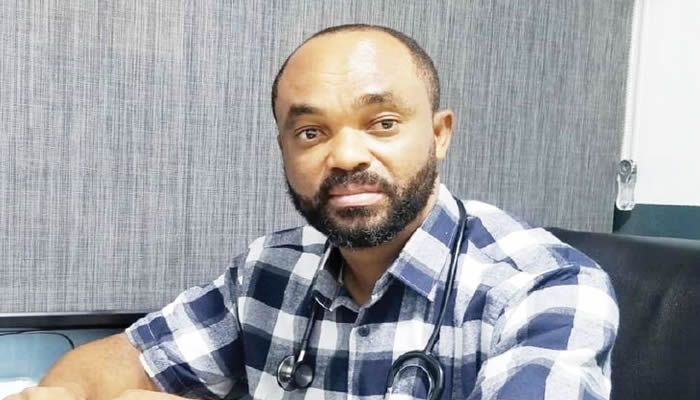
The Social Democratic Party (SDP) in Ebonyi State, Nigeria, is undergoing a period of quiet revitalization, focusing on strengthening its grassroots network and capitalizing on growing public dissatisfaction with the current economic climate. Dr. Kingsley Agbor, the Ebonyi State Chairman of the SDP, emphasizes that the party is actively building structures and connecting with communities at the ward level across all 13 Local Government Areas. This strategic, under-the-radar approach aims to establish a solid foundation before making a more visible push in the political arena. Agbor draws a parallel with the early stages of electrification, where the groundwork goes unnoticed until the lights finally come on. He believes this quiet mobilization will surprise many who currently perceive the SDP as inactive.
Agbor addresses the perception of the SDP’s inactivity by highlighting the difference in approach between the ruling party and the opposition. The ruling party, with access to resources and the machinery of government, can afford to be loud and visible. The SDP, as an opposition party, has chosen a more strategic, grassroots-focused approach. This involves working quietly within communities, mobilizing support, and building a solid base for future electoral success. He likens it to a quiet, effective approach that ultimately yields substantial results, contrasting it with the louder, more visible approach of the ruling party.
Reflecting on Nigeria’s 26 years of uninterrupted democracy since June 12, 1993, Agbor expresses concern that the core principles of democracy – government of the people, by the people, and for the people – haven’t been fully realized. He points to shortcomings in the electoral system, where the will of the people is often subverted, and highlights the widespread economic hardship faced by ordinary Nigerians as evidence of this failure. Agbor emphasizes the historical significance of June 12, a date synonymous with the SDP’s victory in the 1993 presidential election, and laments the unfulfilled promise of that moment. He believes that true democracy requires a government that genuinely serves the interests of the people, which he argues is not the current reality in Nigeria.
The way forward, according to Agbor, lies in the SDP’s ongoing efforts to advocate for change, mobilize citizens, and raise awareness about the need for good governance. He expresses deep concern over the prevailing economic hardship, where basic necessities like bread and transportation have become unaffordable for many Nigerians. Agbor criticizes the trend of political defections to the ruling party, questioning the logic of aligning with a government perceived as exacerbating the suffering of the people. He believes the SDP’s commitment to these core principles will resonate with Nigerians seeking genuine change and positions the party as a viable alternative in the 2027 elections.
Agbor offers a critical assessment of Governor Francis Nwifuru’s two years in office, characterizing his administration, like that of his predecessor David Umahi, as focused on "cosmetic governance." He argues that projects like flyovers, while visually impressive, fail to address the fundamental economic challenges facing the people of Ebonyi State. He contrasts this with "hard-core governance," citing the example of former Kaduna Governor Nasir El-Rufai’s investment in agricultural projects that created jobs and boosted the state’s economy. Agbor believes that true governance must prioritize initiatives that directly benefit the people and contribute to economic growth.
Looking ahead to the 2027 elections, Agbor reiterates his commitment to the SDP and dismisses the notion of defecting to the ruling party. He criticizes what he calls the "cosmetic governance" of the current administration and affirms his dedication to advocating for real change. He expresses confidence in the SDP’s preparedness for the upcoming elections, emphasizing the party’s quiet mobilization efforts and the caliber of candidates it plans to field. He believes that the 2027 elections will be a contest between the Nigerian people and the ruling APC, and that the SDP is the platform best positioned to offer a viable alternative. Agbor dismisses Minister David Umahi’s assertion that those challenging President Tinubu lack credibility, drawing a parallel with the 2015 elections when the then-opposition APC successfully unseated the incumbent PDP government despite similar skepticism. He expresses confidence that history will repeat itself, and that figures like Umahi might even defect back to the SDP if it gains power.