





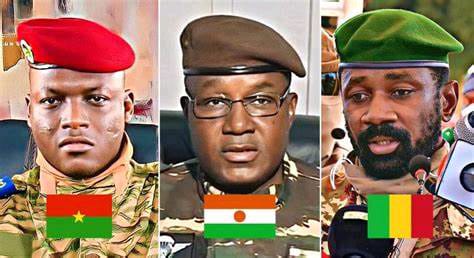
The Economic Community of West African States (ECOWAS) faces a critical juncture as the deadline for the formal withdrawal of Niger, Mali, and Burkina Faso approaches. These three Sahel nations, suspended from ECOWAS in January 2024 due to military coups that displaced democratically elected governments, have initiated the process of leaving the regional bloc. This departure, underscored by accusations of external influence and deviation from ECOWAS’s founding principles by the junta-led governments, poses a significant challenge to the organization’s stability and its efforts to promote democratic governance and regional integration in West Africa. While ECOWAS has extended invitations for dialogue, the three countries have yet to officially respond, leaving the future of their relationship with the bloc uncertain.
The impending withdrawal follows a period of heightened tension between ECOWAS and the three countries. Following the coups, ECOWAS imposed sanctions, which were met with criticism from the military regimes. They argued that the sanctions were unduly influenced by external actors and failed to address the root causes of instability within their countries. This disagreement escalated into a formal declaration of intent to withdraw from ECOWAS, triggering a one-year notice period as stipulated by the Revised ECOWAS Treaty. As the deadline looms, ECOWAS is preparing to finalize the withdrawal protocols and explore potential avenues for reconciliation, though the lack of official response from the departing nations casts a shadow over these efforts.
ECOWAS, under the leadership of President Bola Tinubu, has consistently emphasized its commitment to diplomatic solutions while upholding the protection of citizens’ rights and democratic principles. The organization has extended the mediation mandates of Senegalese President Bassirou Faye and Togolese President Faure Gnassingbé to facilitate communication and explore avenues for resolving the impasse. The ECOWAS Commission, led by President Omar Touray, has also reiterated its willingness to engage with the three countries during the transitional period, underscoring the bloc’s commitment to finding a peaceful resolution. However, the formation of the Alliance of Sahel States by Niger, Mali, and Burkina Faso, coupled with their increasing alignment with Russia and distancing from traditional Western allies like France, signals a potential shift in regional alliances and adds another layer of complexity to the situation.
The current situation is a culmination of a series of coups that have destabilized the region in recent years. Mali experienced two coups in 2020 and 2021, Burkina Faso in 2022, and Niger in 2023. These military takeovers, often justified by claims of corruption and ineffective governance, have disrupted democratic processes and raised concerns about the fragility of democratic institutions in West Africa. The coup in Niger, which ousted President Mohamed Bazoum in July 2023, was particularly alarming given the country’s relative stability compared to its neighbors. Similarly, the coup in Burkina Faso, which saw the removal of Interim President Paul-Henri Sandaogo Damiba, highlighted the volatile political landscape and the potential for cyclical power grabs within the military.
The withdrawal of Niger, Mali, and Burkina Faso represents a significant setback for ECOWAS, which was established in 1975 to foster economic integration and promote peace and stability across West Africa. The departure of these three countries weakens the organization’s collective bargaining power and undermines its efforts to address shared challenges such as terrorism, climate change, and poverty. The emergence of the Alliance of Sahel States, with its focus on defense and mutual support, could potentially create a rival bloc within the region, further complicating ECOWAS’s efforts to maintain regional cohesion. The situation also raises concerns about the potential spread of military interventions in other West African countries, jeopardizing the hard-won democratic progress made in recent decades.
The coming days and weeks will be crucial in determining the future trajectory of the relationship between ECOWAS and the departing nations. The willingness of the junta-led governments to engage in meaningful dialogue with ECOWAS mediators will be a key factor in determining whether a path towards reconciliation can be found. The success of these diplomatic efforts will not only impact the stability of West Africa but also shape the future role and effectiveness of ECOWAS in addressing the complex political and security challenges facing the region. The international community, particularly those with vested interests in the region, will also play a crucial role in supporting ECOWAS’s efforts to promote democratic governance and stability in West Africa. The delicate balance between respecting national sovereignty and upholding democratic principles will be a central consideration in navigating this complex situation.








