





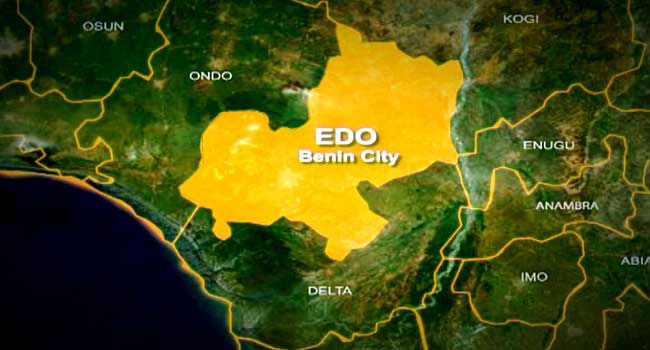
The Edo State Governorship Election Petition Tribunal is set to embark on a comprehensive legal battle, with the Peoples Democratic Party (PDP), the All Progressives Congress (APC), and the Independent National Electoral Commission (INEC) poised to call a combined total of 290 witnesses. This substantial number of witnesses underscores the gravity and complexity of the dispute surrounding the September 21 governorship election. The PDP candidate, Asue Ighodalo, filed the petition, challenging the declaration of APC candidate, Monday Okpebholo, as the winner of the election.
The tribunal, presided over by Justice Wilfred Kpochi, has established a detailed framework for the proceedings. The petitioners, led by the PDP, will have 21 days or less to present their witnesses, while the respondents, the APC and INEC, will each have 10 days to call their own witnesses. This structured approach aims to ensure a fair and efficient hearing, allowing ample time for each side to present their case. The tribunal will sit daily, beginning at 10 am, excluding Sundays and public holidays, signifying a commitment to expedite the process and deliver a timely ruling.
The pre-hearing report, adopted by the tribunal, outlines specific time allocations for witness testimonies. Star witnesses, deemed crucial to the case, will have 40 minutes for examination-in-chief, followed by 30 minutes for cross-examination by the petitioners and 20 minutes for cross-examination by each respondent. This tiered system recognizes the varying importance of witnesses and allocates time accordingly, ensuring that key testimonies receive adequate scrutiny. Ordinary witnesses will have 25 minutes for examination-in-chief, reflecting their comparatively less pivotal role in the overall proceedings. A period of 10 minutes is reserved for re-examination of each star witness, providing an opportunity to clarify any ambiguities or address new points raised during cross-examination.
The tribunal has established clear procedural guidelines to manage the extensive witness list and ensure an orderly hearing. Only witnesses whose sworn statements have been previously submitted will be called, promoting transparency and preventing last-minute surprises. However, the tribunal retains the flexibility to call subpoenaed witnesses if deemed necessary. This provision allows for the summoning of individuals whose testimony is considered essential to the case, even if their statements were not previously included. To accommodate linguistic diversity, the tribunal will provide interpreters for witnesses requiring translation between English and native languages such as Benin, Esan, and Auchi dialects. This inclusive approach ensures that language barriers do not impede the presentation of evidence and that all witnesses can effectively communicate their testimonies.
The tribunal has also clarified that the current petition will not be consolidated with any other pending cases, streamlining the proceedings and preventing unnecessary complications. Furthermore, no amendments to the petition will be entertained at this stage, ensuring that the scope of the legal challenge remains clearly defined. These decisions aim to maintain focus on the specific issues raised in the original petition and prevent any potential for procedural delays or diversions.
The upcoming proceedings promise a meticulous examination of the contested election results. With 290 witnesses anticipated to testify, the tribunal will delve into the intricacies of the electoral process, scrutinizing evidence and arguments from all sides. The detailed pre-hearing report, outlining timeframes and procedures, signals a commitment to a thorough and structured legal process. The outcome of this petition holds significant implications for the political landscape of Edo State, and the nation at large will be watching closely as the tribunal seeks to determine the true victor of the governorship election.








