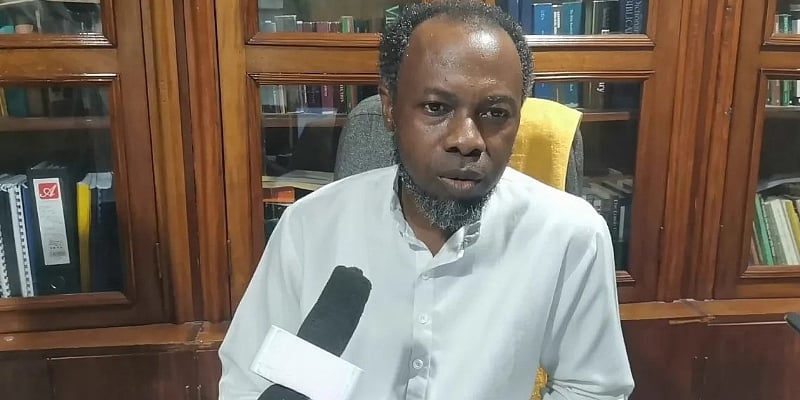
As Ghana prepares for the pivotal 2024 general elections, various leaders from political, traditional, and youth sectors are being encouraged to prioritize national peace over individual or political agendas. Elder Enoch Ofori Junior, a Senior Pastor at the 7th Day Pentecostal Assembly in Feyiase, Kumasi, has been vocal about the pressing need for citizens to actively contribute to maintaining societal peace, rather than waiting for divine intervention through prayer alone. He firmly stated that conflict and disturbances are detrimental to any nation’s development and called on Ghanaians to prioritize peace, emphasizing the importance of setting aside personal interests for the greater good of the nation.
Elder Ofori Junior underscored that although divine forces may play a role in raising leaders, it is the peaceful and fair electoral process that ultimately determines leadership in Ghana. This necessitates active participation from all citizens, particularly traditional leaders, who are urged to leverage their influence to avoid conflict situations. Clergymen are also called upon to champion peace within their congregations, while the youth are encouraged to engage in constructive community initiatives rather than divisive activities that could lead to unrest. The pastor emphasized that politicians must remain cognizant of their potential impact on national stability and refrain from behaviors that could incite tension or violence within the electoral process.
In light of these exhortations, the Ghana Center for Democratic Development (CDD-Ghana) has echoed similar sentiments, advocating for comprehensive measures to mitigate risks related to electoral violence. The organization pressed for proactive strategies to be instated by key institutions, particularly the Ghana Police Service and the Attorney General’s Department, stressing that these entities should take adequate precautions to maintain peace during the election period. CDD-Ghana’s recommendations underscore the necessity of maintaining a peaceful political environment, thereby allowing the populace to exercise their voting rights without fear of conflict or violence.
Central to these discussions on peace is the recognition that a harmonious political climate is crucial for the development and stability of Ghana. The shared vision among leaders is that by fostering open dialogue, collaboration, and respect among different factions, the chances of electoral violence can be significantly reduced. This commitment to dialogue should extend beyond the election season, as ongoing civil engagement and cooperative governance are vital for nurturing a democratic culture where citizens feel valued and heard.
Moreover, the emphasis on youth engagement reflects a broader societal acknowledgment that the younger generation plays a crucial role in shaping the future of the nation. By actively participating in community activities and promoting peace, the youth can help steer Ghana toward a more stable and prosperous environment. Educational programs that highlight the importance of democratic participation and peaceful conflict resolution can empower young people to confront challenges constructively, ultimately contributing to the nation’s stability.
In summary, the upcoming elections in Ghana come with a clarion call for all stakeholders to prioritize national peace above personal or political interests. Whether through the influence of traditional leaders, the moral authority of clergy, or the vibrant activism of youth, every sector is vital in ensuring a peaceful electoral process. Institutions must take proactive steps to avert potential violence, while all citizens should recognize that the true measure of political leadership lies in a peaceful, democratic transition. The collective commitment to fostering a peaceful society is essential for Ghana’s continued development and growth, reinforcing the idea that a stable nation can only flourish amidst unity and cooperation.