The Media Foundation for West Africa (MFWA) has issued a call to the Ghanaian government and relevant agencies to ensure a safe and open internet during the upcoming election period. This request underscores the importance of both press freedom and the integrity of the electoral process. Speaking at a press conference in collaboration with U.S.-based Access Now and the Africa Open Data and Internet Research Foundation, MFWA officials highlighted the critical issues of misinformation, disinformation, and the looming threat of internet shutdowns as Ghana approaches its 2024 elections.
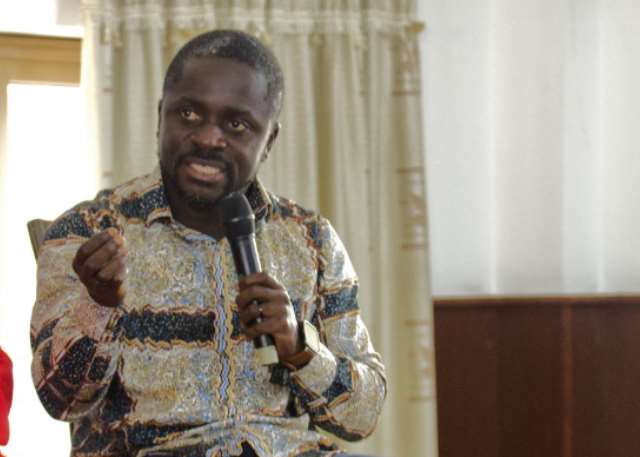
Kwaku Krobea Asante, a Senior Programme Officer at MFWA, articulated the necessity of maintaining uninterrupted internet access, emphasizing that an open internet is essential for countering information disorders that can cloud public understanding. He urged high-level government officials, including the president and key ministries, to commit to keeping the internet operational throughout the electoral timeline—before, during, and after the elections. The MFWA’s concerns are rooted in observations from other African nations where internet blackout strategies have been employed by autocratic regimes, contrasting starkly with Ghana’s relatively robust press freedom.
The foundation’s plea is based on a desire to safeguard Ghana’s democratic processes amidst fears of potential censorship. Drawing lessons from past occurrences in various countries, they argue that the erosion of digital freedoms often correlates with the suppression of democratic principles, which could threaten the transparency and fairness that voters expect in elections. Such scenarios have illuminated the need for proactive measures to protect the internet as a critical resource for information dissemination and electoral engagement.
Furthermore, the MFWA advocates for assurance from the government to the citizens that internet access and social media platforms will remain unaffected by any political maneuvers. Ensuring that these digital spaces are free from undue intervention is vital not only for public access to information but also for the electoral body, the Electoral Commission (EC), to be perceived as transparent and impartial. The call emphasizes that a secure internet serves as a pillar for the democratic process, allowing citizens to engage in informed discussions and receive reliable information concerning the electoral landscape.
The MFWA’s approach reflects a growing global concern about the influence of misinformation during elections, particularly through digital channels. In the context of Ghana’s electoral climate, the potential for misleading information to circulate unchecked poses risks to voters’ understanding and engagement. An unrestricted internet environment is pivotal for disseminating accurate facts and combating false narratives that could arise before and during the electoral events scheduled for 2024.
In conclusion, the MFWA’s initiative represents a critical intersection of technology, governance, and democratic principles in Ghana. By urging policymakers to prioritize a free and open internet, the foundation seeks to empower citizens and protect the electoral process from the pitfalls witnessed in other nations. The organization’s appeal not only emphasizes the need for transparency and fairness but also strives to foster a more engaged electorate capable of making informed decisions in the upcoming elections. Maintaining an open digital space is thus portrayed as integral to preserving the hard-won democratic gains that Ghana has achieved, further encouraging a stable and participatory political environment.