





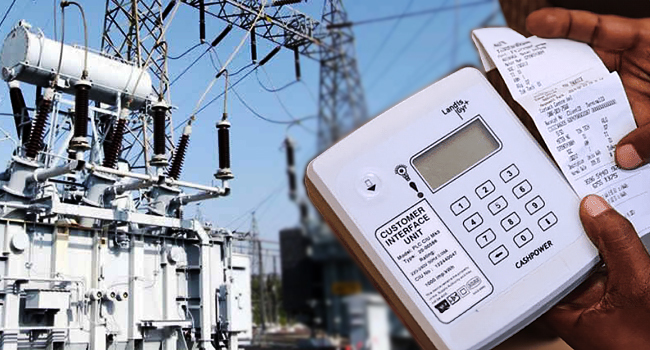
In recent times, a significant number of consumers in Nigeria have turned to electricity distribution companies (DisCos) to request disconnection from the power supply, citing an inability to pay their energy bills. Many of these consumers fall under Band A and B categories, primarily as postpaid customers who have faced steep estimated bills ranging from N40,000 to N400,000. The issues surrounding electricity consumption and billing are particularly troubling for those who are unmetered, as they contend with exorbitant estimated charges without clear insights into their actual energy usage. The situation has compelled numerous Nigerians to remain in darkness for extended periods in an effort to avoid accruing more debt from what they perceive to be “unused energy,” reflecting a broader economic hardship faced by many households.
The tariff structure reveals significant disparities between the two consumer bands, with Band A facing a charge of N209.50 per kilowatt-hour and enjoying up to 20 hours of electricity daily. In contrast, Band B consumers pay a lower rate of N64.07 per kWh but receive only 16 hours of power per day. The consistent complaints from electricity users over rising tariffs and the compounding cost of living have escalated tensions surrounding the issue. Particularly, unmetered consumers have expressed their frustrations regarding high estimated billing practices from DisCos, leading many to prefer disconnection as a means to avoid ongoing financial strain.
Reports indicate a noticeable increase in requests for disconnection among dissatisfied electricity consumers, spurring various DisCos to disconnect between 15 to 20 households monthly. An employee from Ikeja Electricity Distribution Company shared that many of these disconnects stem from the frustration felt by postpaid customers unable to reconcile their high estimated bills. Typical billing figures fall within the range of N80,000 to over N350,000, which many consumers deem unbearable. Hence, as economic pressure mounts, more individuals are choosing disconnection over the burden of unmanageable debt resulting from inflated electricity costs.
The personal narratives of consumers highlight the gravity of the situation many face. For instance, a petty trader in Osogbo spoke candidly about the unsustainable estimated bills for her single shop, revealing charges that plunged her into a financial crisis. Another resident from Owode-Ede lamented monthly charges for basic appliances, expressing that priority must be given to basic sustenance over excessive utility bills. Such stories underscore a larger sentiment of discontent among consumers, as they reject the legitimacy of estimated bills that bear no correlation to their actual energy consumption, driven by a need to address more immediate life necessities amidst a challenging economic landscape.
Community voices from various regions echoed similar frustrations, with residents taking collective steps to address the issue through legal channels. Residents in Ogun State reported engaging a lawyer to advocate on their behalf regarding the overwhelming estimated billing practices, highlighting a growing sense of solidarity among communities facing the same challenges. Calls for the implementation of prepaid meters and a reassessment of electricity tariffs were unified themes, with many begging electricity providers to consider the financial constraints of the average Nigerian amidst rampant inflation and rising fuel costs.
In response to the mounting concerns, the spokesperson for the DisCos offered a measured explanation of the industry dynamics, emphasizing the necessity for payment for electricity services rendered. While expressing empathy for consumers considering disconnection, he reinforced the business imperative for DisCos to recover costs to ensure continuous service. According to him, the lack of credible data on consumers’ needs further complicates potential assistance from the government, indicating a critical area for reform if substantial change in Nigeria’s electricity distribution landscape is to occur. This ongoing scenario presents a multifaceted challenge facing both individual consumers and the electricity providers, emphasizing the urgent need for comprehensive solutions to address the systemic issues plaguing Nigeria’s energy sector.








