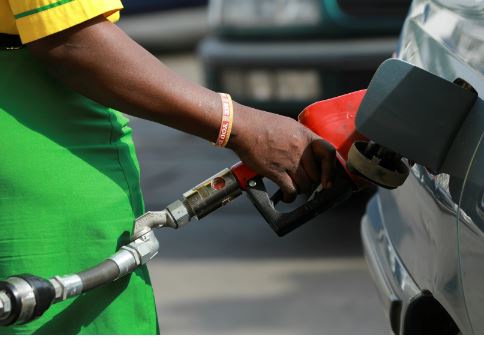
The removal of petrol subsidies in Nigeria has reportedly generated a substantial financial gain of $84 billion, a figure significantly higher than initial projections. This windfall presents a unique opportunity for the Nigerian government to invest in critical infrastructure projects and social programs, addressing long-standing developmental challenges. A prime example of this reinvestment is the allocation of funds towards the construction and rehabilitation of 40 major roads across the country. This infrastructural development aims to improve connectivity, boost economic activities, and enhance the overall quality of life for Nigerians. The removal of the subsidy, while initially met with resistance due to anticipated hardship, is now viewed by some as a necessary step towards fiscal stability and sustainable development. The government faces the crucial task of ensuring transparency and accountability in the utilization of these funds to maximize their impact and build public trust.
The substantial financial gain from the petrol subsidy removal can be attributed to several factors. Primarily, the elimination of the subsidy has curbed the massive financial drain on government resources previously allocated to artificially lowering petrol prices. This has freed up significant funds for other crucial sectors. Furthermore, the removal has also incentivized greater efficiency in the downstream oil sector, reducing leakages and corruption associated with the subsidy regime. The market-driven pricing mechanism now in place allows for a more realistic reflection of the actual cost of petrol, fostering competition and potentially attracting more investment into the sector. This increased efficiency and market liberalization are expected to contribute to long-term economic growth and stability.
The decision to allocate a portion of the savings towards road infrastructure demonstrates a recognition of its crucial role in national development. Improved road networks facilitate trade and commerce, reduce transportation costs, and enhance access to essential services like healthcare and education. The construction and rehabilitation of 40 major roads will not only enhance inter-state connectivity but also create employment opportunities, stimulating economic growth at both national and local levels. These projects have the potential to significantly improve the ease of doing business in Nigeria, attracting foreign investment and fostering economic diversification.
However, the transition to a subsidy-free regime has not been without its challenges. The immediate impact was a sharp increase in petrol prices, leading to inflationary pressures and concerns about the affordability of essential goods and services. The government has acknowledged these challenges and is exploring various palliative measures to mitigate the negative impact on vulnerable populations. These measures may include targeted social safety nets, investments in public transportation, and initiatives to promote energy efficiency. The success of these mitigation efforts will be crucial in ensuring public support for the long-term benefits of subsidy removal.
The $84 billion windfall presents a unique opportunity for Nigeria to address its long-standing infrastructural deficit and invest in human capital development. Beyond road infrastructure, these funds can be channeled towards improving healthcare facilities, upgrading educational institutions, and expanding access to clean water and sanitation. Investing in these critical sectors will not only improve the quality of life for Nigerians but also create a more conducive environment for sustainable economic growth and development. Prioritizing these investments will be crucial in maximizing the long-term benefits of the subsidy removal and ensuring that the gains are felt across all segments of society.
The removal of the petrol subsidy represents a significant policy shift with far-reaching implications for the Nigerian economy. While the initial challenges are undeniable, the potential for positive transformation is significant. The government must prioritize transparency and accountability in the management and utilization of the generated funds. Regular updates on project implementation, independent audits, and citizen engagement are essential to ensure that the resources are used effectively and efficiently. Furthermore, the government should actively engage with stakeholders, including civil society organizations and the private sector, to ensure that the benefits of the subsidy removal are broadly shared and contribute to sustainable and inclusive economic growth. The long-term success of this policy will ultimately depend on the government’s ability to effectively manage the transition, mitigate the negative impacts, and invest strategically in projects that benefit all Nigerians.