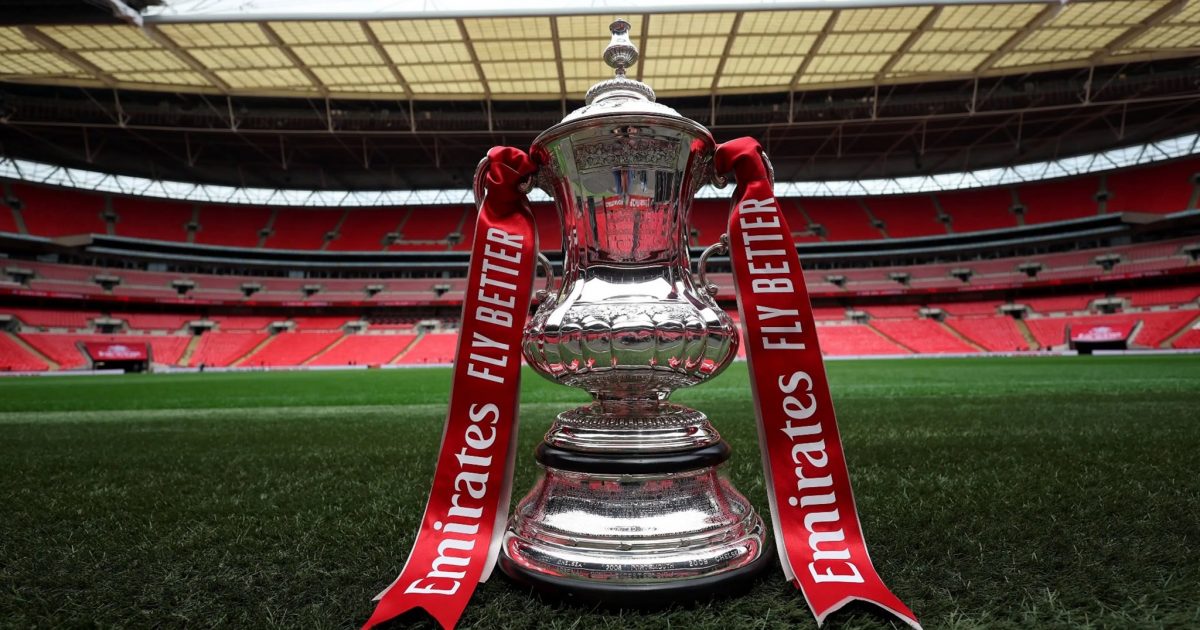
The Emirates FA Cup, a revered competition in English football, is set to reveal the pairings for its fourth round on Sunday, January 12, 2025. The draw, a much-anticipated event for fans and clubs alike, will follow the conclusion of a high-profile clash between two of the Premier League’s giants, Arsenal and Manchester United. This third-round match, taking place at Arsenal’s Emirates Stadium, is scheduled for a 3pm GMT kick-off, with the draw tentatively slated for 5pm GMT. However, the FA has acknowledged the possibility of extra time and penalties, stating that the draw will commence immediately after the match’s conclusion, regardless of its duration. This ensures that the excitement and anticipation surrounding the next stage of the competition are maintained.
The FA Cup fourth-round draw will be a televised event, broadcast live in the UK as part of BBC One’s coverage. The draw proceedings will be overseen by presenter Kelly Somers, with former professional footballers Martin Keown and Mark Schwarzer conducting the draw itself. This provides a blend of experienced broadcasting and footballing expertise, adding to the occasion’s gravitas. For those unable to watch the live broadcast, the draw will also be streamed across the official Emirates FA Cup social media channels, ensuring widespread accessibility for fans eager to learn the fate of their respective clubs.
The road to the fourth round has seen 64 teams battling it out in the third round, with the remaining 32 victors earning their place in the draw. The third-round fixtures, spanning from Thursday, January 9, to Monday, January 13, have presented a mix of exciting matchups, including potential upsets and clashes between teams from different divisions. The introduction of Video Assistant Referee (VAR) in the fifth round, the stage following the fourth round, underscores the FA’s commitment to ensuring fair play and accurate officiating in the later, more crucial stages of the competition. This technological intervention adds another layer of scrutiny and potentially reduces controversial decisions.
The 32 ball numbers assigned to the remaining teams represent the potential pairings for the fourth round. These numbers, allocated based on the original draw, correspond to the teams listed, accommodating the possibility of upsets. For example, ball number 1 is assigned to either Southampton or Swansea City, depending on the outcome of their third-round match. This system ensures that all potential outcomes are accounted for and the draw proceeds smoothly regardless of the third-round results. The diverse range of teams, from Premier League giants to lower-league contenders, reflects the FA Cup’s inclusive nature and its capacity for producing unexpected outcomes.
The draw, a defining moment in the FA Cup calendar, sets the stage for the fourth round, another step closer to the coveted trophy. The anticipation and speculation surrounding the possible pairings fuel the excitement, as fans dream of favorable draws and potential giant-killings. This stage of the competition often witnesses intriguing clashes between teams from different leagues, adding an element of unpredictability and excitement. The journey from the initial 64 teams to the final two is a testament to the enduring appeal of the FA Cup and its ability to capture the imagination of football fans across the nation.
The FA Cup, with its rich history and tradition, continues to hold a special place in the English football landscape. The fourth-round draw, a pivotal moment in the competition, marks the progression towards the latter stages and the ultimate prize. The blend of established clubs and underdog stories, coupled with the prospect of memorable matches and upsets, ensures that the FA Cup remains a captivating spectacle. The draw itself, a carefully orchestrated event, adds to the sense of occasion and further fuels the anticipation for the next chapter in this historic competition.