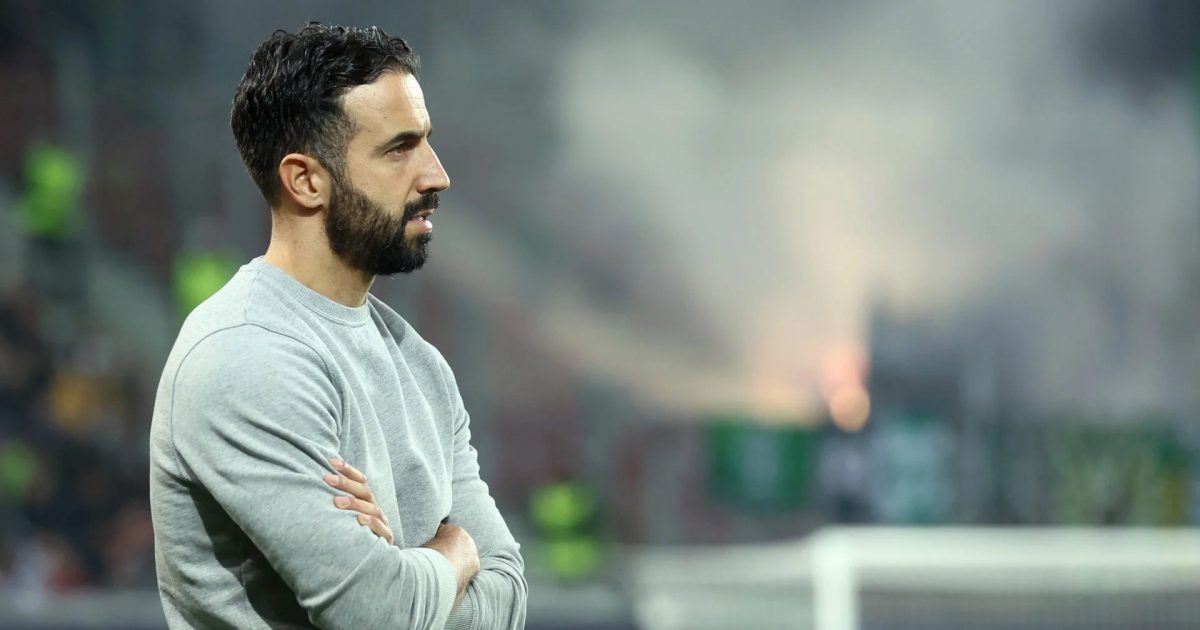
In his inaugural match as head coach of Manchester United, Ruben Amorim expressed concerns over the immediate future after his team was held to a 1-1 draw against Ipswich Town. In a post-match press conference, Amorim acknowledged the challenges of transitioning during the ongoing season. He emphasized the importance of giving both himself and the players time to adapt to his tactical approach, urging fans to be patient as the team undergoes significant changes. The coach recognized his side’s lack of cohesion, which he attributed to limited training time—only two days—before the match. He noted that while they yielded a positive result in the early stages of the game, the overall performance highlighted a pressing need for improvement.
Amorim’s analysis of the match pointed to a lack of clarity among players regarding their roles and responsibilities on the pitch. He noticed that they were overly focused on the game, leading to hesitation and uncertainty about positioning. This, coupled with a deficiency in physicality, particularly in the first half, hindered the squad’s ability to execute his game plan effectively. The coach acknowledged that the side appeared tentative during their opening exchanges, which ultimately allowed Ipswich to seize control and equalize. The tactical elements and physical demands of the Championship, he stated, were new to the players, and acclimatizing to the intensity of the competition would require time and dedicated training sessions.
Despite the disappointment of not securing all three points, Amorim identified some positive aspects, particularly regarding individual performances. He mentioned players like Alejandro Garnacho, who exhibited potential by successfully maneuvering between defensive lines, and Bruno Fernandes, who improved when positioned closer to the action. Amorim’s keen observations during the game enabled him to pinpoint areas where players could thrive, focusing on adapting his tactics to maximize their strengths while minimizing weaknesses. He underscored that understanding individual capabilities was crucial for building a cohesive unit, a task he recognized would not happen overnight.
The early goal by Marcus Rashford, which set the stage for a promising start, eventually became overshadowed by Ipswich’s dominant response. A quick counterattack led to a well-struck equalizer by Omari Hutchinson, whose fortunate deflection underscored the ever-present danger of failing to control the game. This ongoing struggle for dominance in matches emphasized the need for a more robust physical approach, particularly in correcting the reduced workload observed in the game, where United covered only 102 km—one of their lowest distances this season. Amorim indicated that this physical deficit would be thoroughly analyzed moving forward.
In dealing with the post-match analysis, Amorim faced questions regarding the team’s performance and physical readiness. He stressed the importance of studying performance data, suggesting that understanding the biomechanical and physical aspects of the game would provide insights into required adjustments. The coach appealed for a pragmatism that reflects the reality of transitioning between coaching regimes, acknowledging that overcoming the skills gap and developing a resilient playing style would take time. He remained clear that while he would implement changes, patience would be vital from both players and supporters alike.
In conclusion, Amorim’s tenure at Manchester United began under challenging circumstances, with a myriad of adjustments required following a tumultuous period for the club. His emphasis on the need for time and understanding heralded a season filled with potential struggles and triumphs as he navigates through building a competitive squad. By advocating for gradual development and pinpointing aspects of the game in need of improvement, Amorim laid a foundation for a longer-term vision, signifying a holistic approach to reshaping Manchester United’s fortunes on the pitch. The draw against Ipswich served as a stark reminder of the work still necessary, both physically and tactically, as they aimed to forge a path back to success.