





On the occasion of the 2024 International Men’s Day, a significant event organized by the Elizabethan Humanitarian Life Foundation in Lagos sparked critical discussions surrounding the mental health challenges faced by men and boys. Medical experts at the event emphasized the urgency of bringing these issues to the forefront, particularly under the theme “Champions of Change: Addressing Male Mental Health Challenges at Different Stages of Life.” The consensus was clear: societal expectations often place unsustainable pressures on males from a young age, contributing to an alarming rise in mental health issues among adult men. Experts called on Nigerians to reconsider the traditional roles that society imposes on boys and men, suggesting that these underserved roles can lead to feelings of inadequacy and identity crises.
Dr. Kemi Akintoyese, the Chief Clinical Psychologist at the Federal Neuro-Psychiatric Hospital in Lagos, articulated the detrimental effects of societal expectations. She stated that from birth, male children are often cast into predefined roles that they may not be psychologically prepared to accept. This pressure creates a struggle for self-identity, often evolving into mental health challenges such as anxiety and depression during adulthood. The notion that boys must fulfill societal roles can lead to an internal conflict, as young males grapple with expectations that conflict with their true selves. Dr. Akintoyese’s insights underscore the need for greater awareness and understanding of how these imposed roles can compromise mental health.
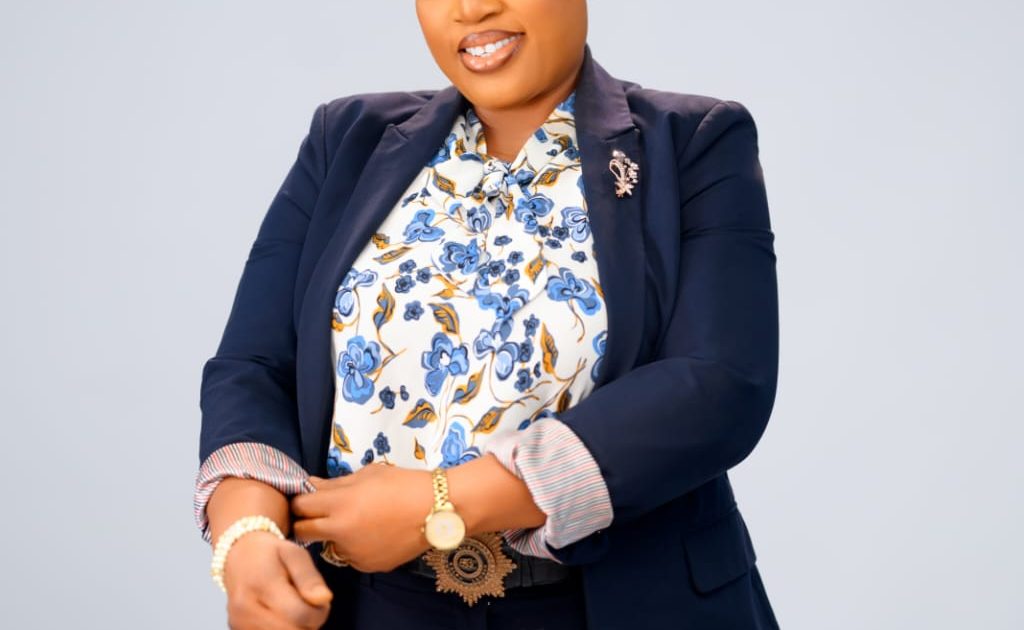
In remarks delivered during the event, Mrs. Oyinade Samuel-Eluwole, founder of the Elizabethan H&H Foundation, highlighted the importance of breaking societal norms that contribute to men’s mental health struggles. She pointed out the harmful tradition of “manning up,” which forces men to suppress their emotional difficulties and inadequately deal with their challenges. This silence can lead to severe consequences, including substance abuse and even suicide. Samuel-Eluwole called for a concerted effort to collaborate across families, government, and advocacy groups to provide a supportive environment for men and boys. Additionally, she advocated for the inclusion of counseling services in schools to give boys a safe space to express their feelings from an early age.
Further emphasizing the issue, Ade Ologbonyo, founder of the Ade Ologbonyo Foundation, proposed the establishment of a Ministry of Men’s Affairs to specifically address the unique challenges encountered by men. His perspective reflects a growing recognition that men’s mental health issues warrant specific attention and intervention. In a similar vein, Sulaiman Adedokun, Group Managing Director of Meristem Securities Limited, stressed that corporate sectors must also take accountability for supporting mental health initiatives targeted at men. The involvement of various societal sectors—from government to corporate—was noted as essential to enacting effective solutions to this systemic problem.
As discussions continued at the event, Titilope Ogunluyi, Deputy Commander of the National Drug Law Enforcement Agency, reminded attendees of the crucial role families play in developing mental health resilience and values. He urged men to seek mentorship and openly discuss their challenges while advising women to support their partners by alleviating undue pressures. This advice speaks to the need for a collective effort in dismantling the stigmas surrounding men’s mental health, showcasing the importance of open dialogue and mutual support within families and communities.
Lastly, a medical expert from the Lagos Neuro-Psychiatric Hospital, Noah Olukayode, cautioned against allowing the focus on female empowerment to overshadow men’s mental health needs. Olukayode poignantly noted that many men live with hidden struggles, often described as “walking wounded,” as they silently contend with the mental scars inflicted by societal expectations and personal traumas. The call to action for recognizing and addressing men’s mental health issues signals a crucial movement toward creating a more supportive, inclusive society where every individual’s mental health, regardless of gender, is valued and nurtured.








