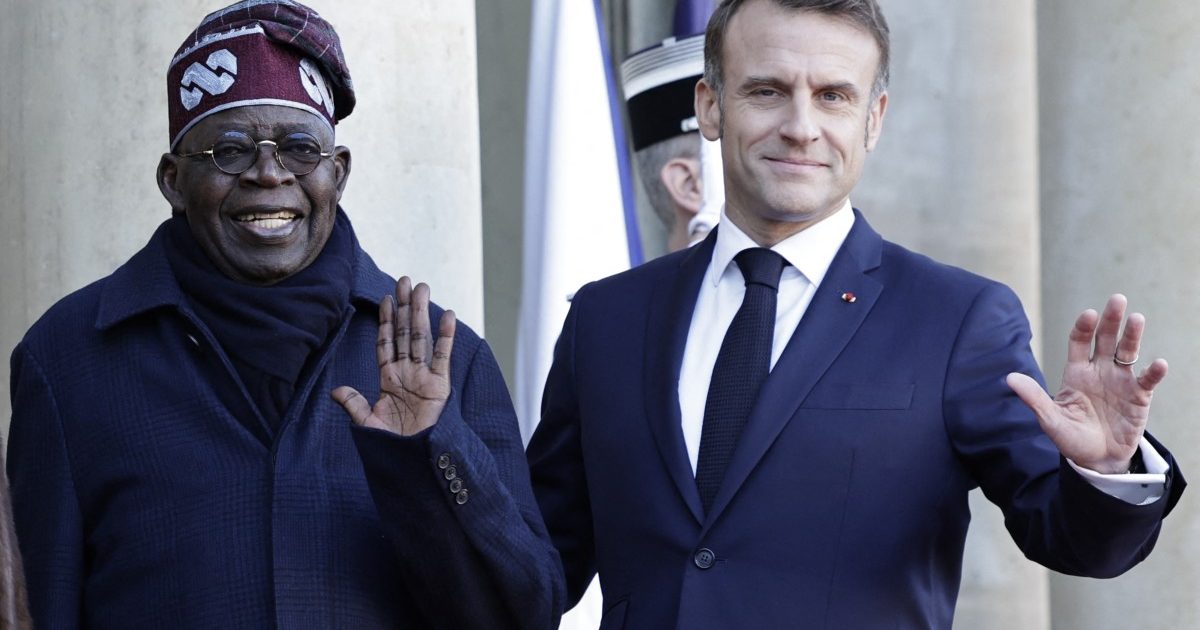
Diplomatic visits play a crucial role in shaping and maintaining international relationships, with each type of visit—official or state—serving distinct purposes and following specific protocols. These visits facilitate dialogue, foster mutual understanding, and strengthen bilateral ties between nations. A recent example is President Bola Tinubu’s three-day state visit to France beginning on November 28, which marked a historic moment for Nigeria, being the first official state visit by a Nigerian leader to France in over two decades. This significant visit underscores the importance of state diplomacy in engaging allies and re-establishing connections that may have been dormant or strained over time.
The difference between a state visit and an official visit lies primarily in the level of engagement and the formality involved. State visits are often characterized by high-profile engagements, including ceremonial events like state dinners, meetings with senior officials, and even appearances before the head of state. They reflect a level of honor and friendship between the visiting nation and the host country. In contrast, official visits may involve more routine discussions and meetings with lower-ranking officials, lacking the pomp and circumstance associated with state visits, even though they are still vital for diplomatic engagement.
President Tinubu’s visit to France categorized it as a state visit, reflecting Nigeria’s desire to strengthen its ties with France and enhance cooperative efforts in various sectors. This engagement occurred against the backdrop of Nigeria’s broader foreign policy, aimed at promoting economic partnerships, cultural exchange, and security collaboration. The timing of the visit, shortly after Tinubu’s official visit in June 2023, suggests a strategic plan to solidify Nigeria’s presence in the international arena and to leverage Franco-Nigerian relations for national growth.
The significance of Tinubu’s visit to France also extends into the historical context of Nigeria’s diplomatic relations with Europe, particularly France. Over the last two decades, the nature and dynamics between the two nations may have evolved, necessitating a renewed focus on strengthening these ties. Tinubu’s engagement encapsulates a broader effort to mend and nurture relationships that are critical for economic development, addressing challenges like security, trade, and climate change. By embracing a state visit, Nigeria is signaling its commitment to fostering mutual respect and collaboration on pressing global issues.
Moreover, diplomatic visits serve as an essential platform for addressing not just bilateral interests but also multilateral challenges that transcend borders. For instance, topics such as counter-terrorism, health security, and climate action can be central themes during such high-level meetings. Tinubu’s state visit likely included discussions on these pressing global issues, reinforcing the notion that constructive engagement through diplomacy is necessary for securing collective actions in an increasingly interconnected world.
In conclusion, President Bola Tinubu’s three-day state visit to France not only marks a significant diplomatic feat but also provides an opportunity to reflect on the evolving nature of international relations. The distinction between official and state visits emphasizes the multifaceted layers that underscore diplomatic engagement. By engaging with France at this level, Tinubu reiterates Nigeria’s commitment to building strong international partnerships that address both bilateral needs and global challenges, contributing to a more stable and cooperative international community.