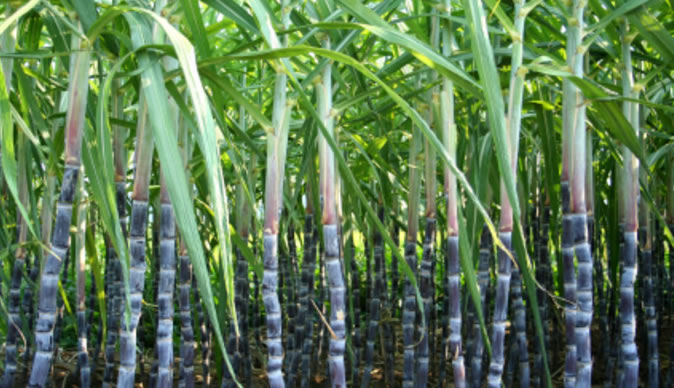
The recent report from the National Sugar Development Council (NSDC) emphasizes the significant economic impact of the out-grower scheme established under the Nigeria Sugar Master Plan, which benefits over 535 farmers nationwide with annual payments exceeding N1 billion. This initiative aligns with the Federal Government’s mandate issued in 2008 to strategize towards self-sufficiency in sugar production, thereby reducing dependence on imports and ensuring local agricultural development. The Nigerian Sugar Master Plan was designed to achieve these objectives efficiently, and the NSDC has reported notable progress in fostering a sustainable sugar industry capable of meeting domestic and regional demands.
According to Kamar Bakrin, Executive Secretary of the NSDC, substantial advancements have been made since the inception of the sugar master plan. This includes the growth of the nation’s sugar refining capacity to three million metric tonnes. Furthermore, the initiative has successfully attracted $1 billion in investments focused on backward integration, the establishment of out-grower schemes, and the promotion of greenfield projects. Additional efforts have led to the establishment of the Nigerian Sugar Institute aimed at enhancing research and development within the sector. These initiatives collectively demonstrate the government’s commitment to creating a more integrated and self-sufficing sugar industry.
Bakrin articulated the profound role that sugar production plays in economic development, asserting that it serves as a vital model for industrialization. The cultivation and processing of sugarcane not only provides employment but also catalyzes a multitude of secondary economic activities, such as transport, equipment manufacturing, and retail services. This multifaceted economic model further enhances rural development through infrastructure improvements encompassing roads, power, education, and health services, effectively uplifting communities involved in sugar production.
In a bid to actualize self-sufficiency within the next eight years, the NSDC is undertaking strategic initiatives to bolster domestic sugar production. Key to this effort is the establishment of suitable funding mechanisms and the facilitation of investments from both local and global business entities. Actions are being taken to expand existing production capacities and incentivize the growth of commercial sugarcane cultivation. Concurrently, the council is enhancing training initiatives to develop skilled manpower and support best practices in cultivation and production, thus ensuring a strong operational foundation for the sector.
The attractiveness of investing in local sugar production is underscored by the burgeoning domestic demand juxtaposed with Africa’s expanding market potential. The Nigerian sugar market itself is valued at $2 billion and is strategically positioned to tap into a $7 billion African market. Factors such as current macroeconomic conditions, notably the fluctuating currency exchange rates, have made domestic production more economically viable, thereby reducing reliance on imports. The favorable economic indicators, including high Net Present Value and Internal Rate of Return, denote that investment in the sector is not only timely but also highly rewarding.
Finally, the NSDC’s framework for the future of the sugar industry emphasizes sustainability through a community integration model that ensures long-term viability. The government is working towards creating an investment-friendly legislative environment to attract more stakeholders. The diversification potential of sugarcane—as a foundation for producing high-value products like ethanol, bioplastics, and packaging materials—offers additional economic opportunities. Therefore, the Nigerian Sugar Master Plan is not merely a path to self-sufficiency in sugar production but also a comprehensive strategy that enhances rural livelihoods and drives broader economic development across the nation.