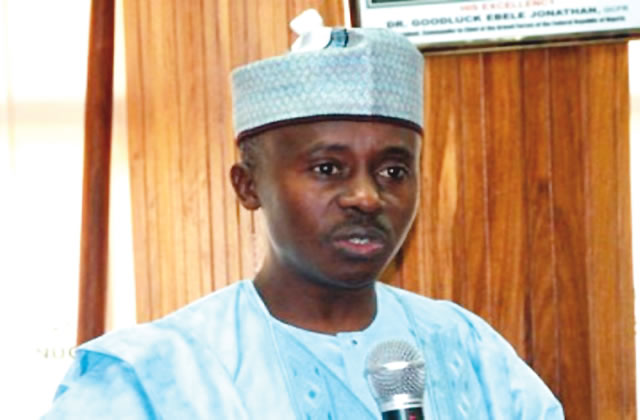
Farouk Lawan, a former member of the House of Representatives in Nigeria, has been released from Kuje Prison after completing a five-year sentence for bribery. His release was confirmed by Samson Duza, the spokesperson for the Nigerian Correctional Service, FCT Command. Lawan’s imprisonment stemmed from a conviction related to accepting a significant bribe of $500,000 from Femi Otedola, the Chairman of Zenon Petroleum and Gas Ltd., who sought to extricate his company from allegations connected to a fuel subsidy fraud.
The bribery incident that led to Lawan’s conviction occurred amid efforts to manipulate legislative processes surrounding the fuel subsidy program, which had been marred by various scandals. Otedola’s company was implicated in these fraud allegations, and he allegedly engaged Lawan in a bribery scheme to facilitate his release from scrutiny. Lawan was initially found guilty in 2021, and since then, he has been fighting to overturn his conviction in the higher courts.
In January, the Nigerian Supreme Court made a critical ruling regarding Lawan’s appeal, upholding his five-year prison sentence and affirming lower court decisions that had found him guilty. The Supreme Court dismissed his arguments, stating that they were without merit, which meant that Lawan’s attempts to clear his name legally had failed. This decision came after a previous ruling by the Court of Appeal in 2022, which also upheld his conviction on one of the three counts against him.
The case has drawn widespread attention given its implications for public trust in legislative officials and their interactions with businesses. The bribery scandal highlighted the weaknesses within Nigeria’s political system and revealed the extent to which corruption could infiltrate government processes. Lawan’s case has served as a focal point for discussions on the need for greater accountability in public office and reinforced calls for reforms to combat corruption in Nigeria.
Lawan’s release marks the end of a significant chapter in a high-profile corruption case that has resonated with the public and raised questions about the effectiveness of the legal system in addressing such issues. As he steps out of prison, the political landscape in Nigeria continues to grapple with the ramifications of corruption and the persistent challenges related to governance and accountability.
In conclusion, while Farouk Lawan has completed his prison sentence for bribery, the broader issues concerning political corruption in Nigeria remain unresolved. His case serves as a reminder of the significant challenges that persist in ensuring transparency and integrity in the Nigerian political arena. As the country looks towards the future, the impact of such high-profile cases will likely continue to influence public perception and drive necessary reforms within the political system.