





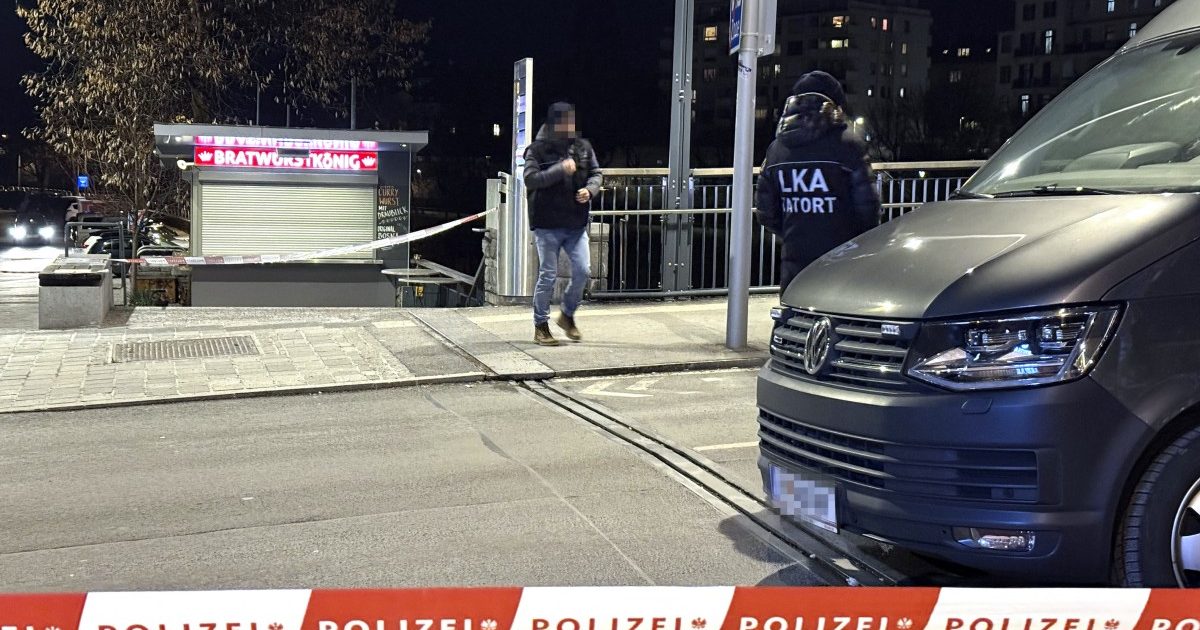
The tranquil afternoon in the southern Austrian city of Villach was shattered on Saturday, July 8, 2023, when a 23-year-old Syrian asylum seeker unleashed a sudden and brutal knife attack, leaving one person dead and four others injured. The incident, which unfolded just before 4:00 pm local time in the heart of the city, sent shockwaves through the community and raised immediate concerns about public safety. The attacker, armed with a knife, indiscriminately targeted passersby, creating a scene of chaos and terror. A 14-year-old boy tragically succumbed to his injuries, while two other men sustained serious wounds. Two additional individuals suffered less severe injuries in the attack. The swift action of a food delivery rider, who witnessed the unfolding horror, potentially prevented further casualties. The courageous individual rammed his vehicle into the assailant, effectively subduing him until the police arrived moments later to make the arrest.
Preliminary investigations into the attacker’s background revealed that he was a Syrian asylum seeker with a valid residence permit and no prior criminal record. This information immediately sparked debate and discussion regarding the integration of refugees and asylum seekers, as well as the potential security implications. The attack occurred just two days after a separate incident in Munich, Germany, where a vehicle was deliberately driven into a trade union demonstration, resulting in the deaths of a two-year-old girl and her mother, with 37 others injured. A 24-year-old Afghan asylum seeker was arrested in connection with the Munich attack, raising suspicions of potential Islamist extremist motives. The close proximity of these two violent acts, both involving individuals with asylum seeker backgrounds, further fueled concerns and prompted questions about potential links between the incidents, although no immediate connection was established by authorities.
The Villach knife attack underscores the complex challenges faced by European societies in integrating large numbers of refugees and asylum seekers. While the overwhelming majority of these individuals pose no threat to public safety, incidents like this understandably raise concerns about security protocols and the potential for radicalization within these vulnerable populations. The attack also highlights the delicate balance between providing refuge to those fleeing conflict and persecution and ensuring the safety and security of the host communities. This incident inevitably sparked calls for stricter vetting procedures for asylum seekers, heightened security measures in public spaces, and a renewed focus on preventing radicalization within refugee communities.
The tragic loss of a young life and the injuries sustained by others in the Villach attack left the community reeling in shock and grief. The seemingly random nature of the attack further amplified the sense of fear and vulnerability. Such incidents erode the sense of security in public spaces and can sow mistrust between different segments of society. The heroic actions of the food delivery rider, who risked his own safety to intervene and stop the attacker, offered a sliver of hope amidst the tragedy. His bravery prevented further bloodshed and exemplified the spirit of community and resilience in the face of violence.
The aftermath of the attack saw an outpouring of grief and solidarity within Villach and across Austria. Vigils were held to honor the victims and express support for their families. Community leaders and politicians condemned the violence and called for unity and understanding. However, the incident also sparked heated discussions regarding immigration policies, security measures, and the integration of refugees. Right-wing groups seized upon the attack to further their anti-immigration agendas, while others emphasized the need for compassion and understanding in addressing the complex issue of refugee integration.
The Villach knife attack serves as a stark reminder of the challenges posed by both random acts of violence and the ongoing integration of refugees in Europe. The incident highlights the need for continued vigilance, effective security measures, and comprehensive integration programs that address the root causes of radicalization. It also underscores the importance of balanced public discourse, avoiding generalizations and stereotypes, and fostering a climate of understanding and empathy in the face of such tragedies. The attack, while an isolated incident, necessitates a renewed commitment to creating inclusive and secure societies where all individuals feel safe and welcomed.








