





Ghana’s Democratic Triumph: A Beacon of Hope for Africa
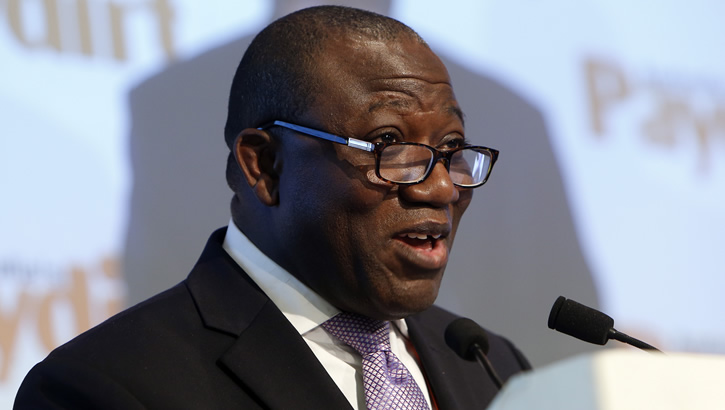
The recent presidential election in Ghana has garnered significant attention and commendation from across the African continent, particularly for the exemplary conduct displayed by both the victor and the runner-up. Dr. Kayode Fayemi, the immediate past Governor of Ekiti State and former Chairman of the Nigeria Governors’ Forum, lauded the Ghanaian electoral process as a shining example of democracy in action, emphasizing the maturity and statesmanship exhibited by both President-elect John Mahama and his opponent, Dr. Mahamudu Bawumia. Fayemi’s praise underscored the significance of Bawumia’s gracious concession, which he described as a demonstration of political maturity and respect for democratic values, setting a precedent for other African nations to emulate. This act of conceding defeat, Fayemi argued, reinforces the importance of prioritizing national interests over personal ambitions, a principle crucial for the consolidation of democratic values across the continent.
Mahama’s victory, according to Fayemi, signifies the trust and confidence the Ghanaian people have placed in his leadership and vision for the country. It is a testament to the power of democracy, where the will of the people ultimately determines the course of a nation’s future. Fayemi, a self-proclaimed friend of both Mahama and Bawumia, celebrated the peaceful and transparent nature of the elections, highlighting the smooth transition of power and the respect for the electoral outcome. This, he believes, stands in stark contrast to instances in other African nations where electoral disputes often lead to violence and political instability. Ghana’s commitment to democratic principles, as demonstrated in this election, serves as a beacon of hope for other African countries striving to consolidate their democratic gains.
Bawumia’s decision to concede defeat gracefully has been particularly lauded, with Fayemi emphasizing its significance in solidifying Ghana’s democratic credentials. By accepting the outcome of the election, Bawumia demonstrated a commitment to the democratic process and a respect for the will of the Ghanaian people. This act, Fayemi argued, transcends personal ambition and underscores the importance of upholding the principles of democracy. Such gestures of political maturity, according to Fayemi, are crucial for fostering peace and stability in the aftermath of elections and contribute significantly to the overall strengthening of democratic institutions.
Fayemi’s commendation of Ghana’s electoral process extends beyond the conduct of the two leading candidates to encompass the broader political environment. He praised the independent functioning of Ghana’s institutions, emphasizing that their ability to operate without undue influence is crucial for ensuring credible and transparent elections. He urged other African nations to emulate Ghana’s example, stressing the importance of allowing democratic institutions to function independently and ensuring that the electoral process is free from manipulation and coercion. This, he believes, is essential for fostering trust in the democratic process and promoting peaceful transitions of power.
The Ghanaian experience, Fayemi argues, provides a valuable blueprint for other African nations seeking to strengthen their democratic foundations. By upholding the supremacy of the people’s will and allowing democratic institutions to operate independently, Ghana has set a high standard for electoral conduct in Africa. Fayemi believes that the peaceful and transparent nature of the Ghanaian elections should serve as a model for other countries on the continent, demonstrating that credible and peaceful elections are achievable when the political actors prioritize the collective good over individual aspirations. He called upon political leaders across Africa to learn from Ghana’s example and commit to upholding the principles of democracy.
In conclusion, Fayemi’s congratulatory message to Mahama and his commendation of Bawumia’s concession are not simply acts of diplomatic courtesy but rather a powerful endorsement of the democratic values demonstrated by Ghana. He sees the Ghanaian example as a testament to the potential for democracy to flourish in Africa when the right conditions are in place: independent institutions, respect for the rule of law, and a commitment to peaceful transitions of power. Fayemi’s message serves as a call to action for other African nations to emulate Ghana’s success and strive towards building stronger, more resilient democracies. The Ghanaian experience, in his view, provides a roadmap for achieving this goal, demonstrating that credible, peaceful, and truly democratic elections are not an unattainable ideal but a tangible possibility within reach for all African nations.








