









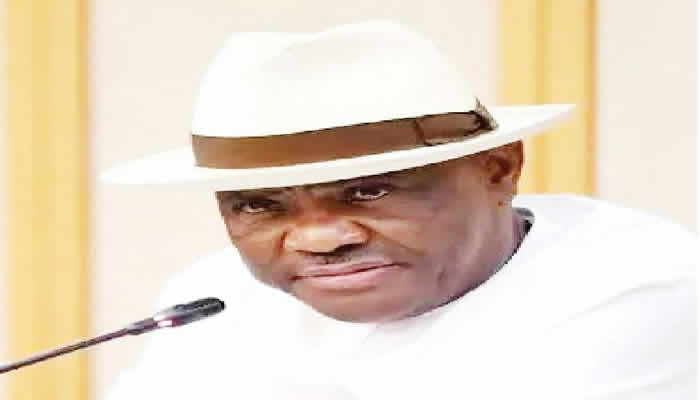
The Federal Capital Executive Committee recently convened its ninth meeting under the chairmanship of the FCT Minister, Nyesom Wike, where members approved contracts totaling N33.24 billion aimed at delivering essential services and infrastructure to the residents of the Federal Capital Territory. The committee’s decisions reflect a proactive response to urban development needs and enhance the provision of public services within the territory. Chief of Staff to the Minister, Chidi Amadi, highlighted the administration’s commitment to addressing critical infrastructure gaps through these initiatives, demonstrating a clear focus on sustainable urban planning and community development.
Among the projects sanctioned during the meeting, Dr. Chinedum Elechi, Mandate Secretary for the Transportation Secretariat, detailed a notable contract worth N7.22 billion for constructing access roads to the Kugbo and Mabushi Bus and Taxi Terminals. This decision builds upon earlier contracts awarded in May for constructing the terminals themselves. Elechi noted the advanced stage of the initial terminal projects and recognized the necessity of access roads to seamlessly connect them to main thoroughfares. To expedite the process, the committee has awarded this crucial work to Planet Projects Limited, with a completion timeline of just 12 weeks, emphasizing the urgency of improving transportation infrastructure.
In terms of operational logistics for essential services, the committee approved a significant procurement plan that includes 120,000 litres of Automotive Gas Oil (Diesel) and 40,250 litres of Premium Motor Spirit (PMS) for the Wupa Basin Sewage Treatment Plant. The contracts amounting to N2.92 billion were awarded to Safah and Fresh Ltd., with completion scheduled over a span of 12 months. Additionally, the company secured a contract for supplying diesel and PMS for a year at the same facility, underlining the administration’s focus on ensuring operational efficiency for public utilities. Furthermore, a smaller contract of N638,550 was allocated for supplying a similar quantity of Automotive Gas Oil to the Lower Usuma Dam Water Treatment Plant.
The commitment to infrastructure development extended to various other projects across the FCT. The committee approved the construction of an access road leading to the Economic and Financial Crimes Commission Academy in Giri District, with the contract awarded to Levant Construction Limited for N7.83 billion, and an estimated completion timeframe of nine months. This project signifies a strategic move towards enhancing operational accessibility for federal agencies, reinforcing the interconnectedness of government functions within the territory. Moreover, the construction of ten units of staff quarters for the Nigerian Law School in Bwari Abuja was awarded to Austlinks Energy Services Ltd. for N2.19 billion, also slated for completion in nine months.
The meeting also addressed the rehabilitation and reconstruction of Bill Clinton Road, a critical artery leading to the Presidential Wing of the Nnamdi Azikiwe International Airport. An essential contract valued at N9.88 billion was awarded to Julius Berger, aiming for completion within six months. This initiative encompasses not only the roadworks but also the rehabilitation of associated facilities, such as the Presidential Hangar, taxiway, and airport apron. Such projects highlight the commitment of the Federal Capital Territory Administration to ensure that vital infrastructure supporting the operations of federal institutions is equipped to meet contemporary demands.
In summary, the recent meeting of the Federal Capital Executive Committee has paved the way for a range of infrastructural developments and essential service enhancements within the Federal Capital Territory. The approved contracts, totaling N33.24 billion, will facilitate the construction of vital access roads, supply of fuel for operational needs, and rehabilitation of crucial transport routes serving key government functions. By investing in these projects, the FCT administration aims to bolster infrastructure, improve public service delivery, and ultimately enhance the living and working conditions for the territory’s residents, reflecting a commitment to sustainable development and effective governance.









