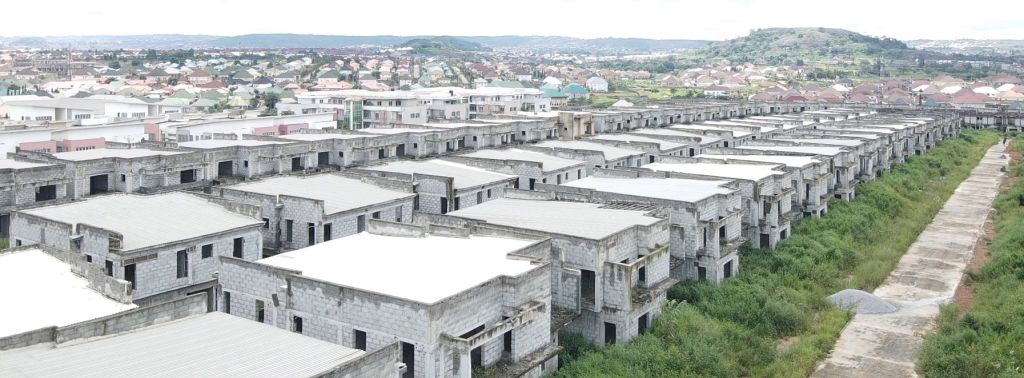
Paragraph 1: The Genesis of the Housing Estate Recovery and Committee Formation
The narrative begins with the recovery of a substantial housing estate comprising 753 units, located in Lokogoma District, Abuja, by the Economic and Financial Crimes Commission (EFCC). This estate, previously linked to former Central Bank of Nigeria Governor Godwin Emefiele, was subsequently handed over to the Ministry of Housing and Urban Development under the directive of President Bola Tinubu. Recognizing the significance of this asset and its potential to contribute to the nation’s housing needs, the Minister of Housing and Urban Development, Ahmed Dangiwa, took decisive action. He established a 12-member ministerial committee specifically tasked with overseeing the evaluation, rehabilitation, and eventual allocation of the recovered housing units. This committee’s formation marked the first step in a process aimed at transforming potentially neglected properties into viable housing solutions for Nigerians.
Paragraph 2: Defining the Scope of the Committee’s Mandate
The committee’s responsibilities are multifaceted and encompass a comprehensive assessment of the estate’s current status and the development of a transparent allocation strategy. Their primary tasks include conducting a thorough structural and integrity evaluation of the buildings, meticulously documenting the number and condition of each housing unit, and determining the fair market value of the existing structures through professional surveying and market analysis. Beyond the physical assessment, the committee is also charged with evaluating the financial requirements to complete essential infrastructure such as roads, power, and water supply, critical elements for creating a habitable environment.
Paragraph 3: Ensuring Quality, Transparency, and Public Engagement
To ensure the long-term viability and aesthetic appeal of the estate, the committee’s mandate extends to establishing architectural and finishing standards for consistency across the development. A crucial aspect of their work involves formulating a fair and transparent allocation strategy. This will leverage the Renewed Hope Housing Portal, an online platform designed to facilitate equitable access to housing opportunities. Recognizing the importance of public trust and confidence, the committee is also tasked with developing a comprehensive public engagement plan to ensure transparency and address any concerns or inquiries regarding the project.
Paragraph 4: Collaboration and Timeline for Initial Assessment
Effective coordination and collaboration are paramount to the committee’s success. The mandate explicitly emphasizes the need for seamless interaction with key stakeholders, including the EFCC, the Federal Capital Territory Administration (FCTA), and relevant utility providers. This collaborative approach is designed to streamline processes and address any potential challenges efficiently. To maintain momentum, a preliminary report outlining the committee’s initial findings and recommendations is expected within four weeks of their inauguration, demonstrating a commitment to timely progress and efficient execution.
Paragraph 5: Aligning with the Renewed Hope Agenda and Emphasizing Integrity
The committee’s work is directly aligned with President Tinubu’s Renewed Hope Agenda, which prioritizes providing affordable housing solutions for Nigerians. Minister Dangiwa underscored the significance of this project as a key step towards achieving this objective. He emphasized the importance of technical expertise and institutional integrity in carrying out the assignment, noting that the committee members were carefully selected from key departments within the Ministry of Housing and Urban Development based on their experience and proven track records. This careful selection reflects the ministry’s commitment to ensuring the project’s successful execution.
Paragraph 6: Leadership, Collaboration, and Setting a Precedent for Future Projects
The committee is chaired by the ministry’s Permanent Secretary, Shuaib Belgore, and includes senior directors and aides from various departments, ensuring a diverse range of expertise. Recognizing the magnitude of the task and the tight deadline, Minister of State for Housing, Yusuf Ata, empowered the committee to co-opt additional professionals as needed to bolster their capacity. Belgore expressed confidence in the team’s ability to execute its duties diligently and professionally, setting a precedent for transforming recovered public assets into impactful infrastructure that directly benefits the Nigerian people. This project, therefore, holds the potential to serve as a model for future initiatives aimed at repurposing recovered assets for public good.