





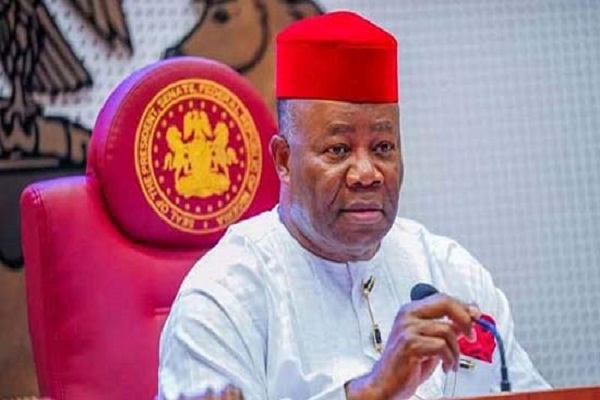
The Federal Government of Nigeria has initiated legal proceedings against nine individuals, charged with disseminating false information concerning speculation about the impeachment of Senate President Godswill Akpabio. This six-count charge has been filed at the Federal High Court in Abuja on October 21, 2024, with the action being led by A. A. Yusuf, the Deputy Director of Public Prosecution of the Federation. The legal proceedings stem from claims that the defendants falsely reported on October 16 that the Department of State Services (DSS) had besieged the National Assembly to facilitate Akpabio’s impeachment, leading to significant concerns regarding the spread of misinformation in the media.
Among those charged are the Incorporated Trustee of Order Paper, an online news platform where the allegedly false information was published, and several key personnel associated with the platform. This includes Oke Epia, the Founder/Publisher and Executive Director; Tony Okeke Ofodile, the Head of Operations; Edna Bill Ulaeto, the Admin/Finance Executive; and Elizabeth Atime, the National Assembly lead reporter and author of the disputed report. Other defendants listed in the case are Regina Udo, Leah Twaki, Idongesit Joseph Ekoh, and Edoesomi Sharon Omonegho, who hold various roles within the organization related to media operations and reporting.
In the indictment, count one accuses the Order Paper, through its representatives, of deliberately publishing the false information about the DSS’s alleged siege. It specifies that this act occurred on or around October 16 and states that the defendants were aware the information was untrue. The charge references the Cybercrimes (Prohibition, Prevention, Etc.) Act of 2015, particularly Section 24(1)(a), which outlines penalties for the dissemination of false information. The seriousness of this charge underscores the potential ramifications of spreading misinformation, particularly related to government operations and high-profile political figures.
The case also includes a second count, where the defendants are accused of intentionally publishing defamatory statements concerning both the DSS and Akpabio on their online platforms. This assertion indicates a broader concern regarding the potential libel against these prominent public entities and individuals, and draws attention to the implications of irresponsible journalism in the digital age. As misinformation can swiftly impact public opinion and governmental workings, the legal approach taken by the Federal Government signifies a commitment to addressing and curtailing potentially damaging narratives within the public discourse.
As of the compilation of this report, the case has yet to be assigned to a judge, reflecting the procedural stages involved in legal proceedings within the Nigerian judicial system. The filing of these charges represents a significant moment, not only for the defendants but for the media landscape in Nigeria, as it raises questions about the accountability of news organizations and their obligations to report factual and responsible information. The case could set a precedent regarding the legal ramifications for media entities that engage in publishing unverified or erroneous reports about government actions and officials.
Overall, the Federal Government’s action against the defendants can be understood within a larger framework of efforts to combat misinformation and uphold the integrity of news reporting. The implications of this case may extend beyond the immediate participants, touching upon broader societal issues related to freedom of expression, the role of the media in a democracy, and the potential conflicts that arise when journalism intersects with political events. As the judicial process unfolds, it will be closely monitored, both for the outcomes it produces and the potential influence it may have on future media practices in Nigeria.








