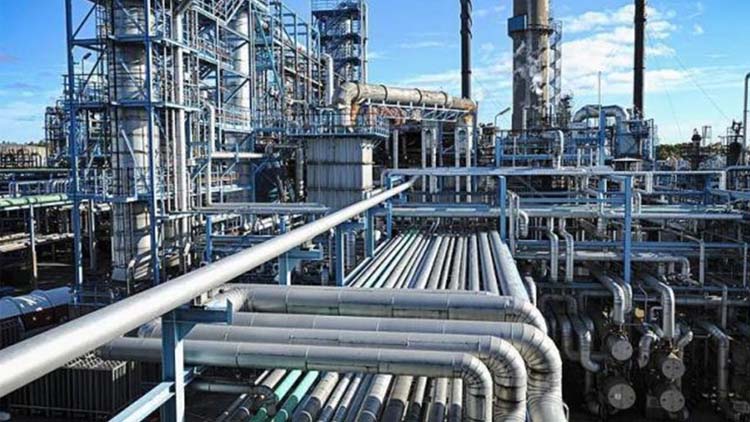
The Nigerian Federal Government, through the Nigerian Midstream and Downstream Petroleum Regulatory Authority, has approved a license for the construction of a new refinery by Process Design and Development Limited. This new facility will have a capacity of 27,000 barrels per day and will be located in Dole-Wure, Akko area of Gombe State. The announcement came via a post on the authority’s official X handle, where the Chief Executive presented the license to the company’s Managing Director and CEO. This development is part of Nigeria’s broader efforts to enhance its oil refining capabilities amid ongoing challenges in the sector.
With the approval of this new refinery, Nigeria now officially has approximately 10 modular and regular refineries, which together aim to bolster the nation’s overall refining capacity. This increase in the number of licensed facilities signifies a move towards self-sufficiency in oil production and refining, a critical aspect of Nigeria’s economy given its reliance on petroleum exports. However, it’s crucial to note that despite the rise in the number of refineries, many remain underutilized or are not operating at full capacity, raising concerns about the overall effectiveness of these efforts.
The location and operational capacity of the newly approved refinery in Gombe State adds a significant element to Nigeria’s refining landscape. The strategic placement in Dole-Wure could potentially serve the local economy and improve petroleum product distribution within the northern region of the country. Yet, as history has shown, merely increasing the number of refineries does not ensure functionality or efficiency. Thus, the success of this new venture will hinge upon operational management, market demand, and the ability to overcome regulatory and logistical challenges.
Process Design and Development Limited, the company behind the refinery, has its headquarters in Kano and is registered under the number 487883. The company is led by a team of directors including Adamu U. Sanda, Abdulkadir Umar, Umar S. Umar, and Bashir Umar, all of whom bring diverse experiences that could shape the future operations of the new refinery. Stakeholder engagement and collaboration with both state and federal agencies will likely play an important role in ensuring the refinery not only starts operations but can also sustain them in the long term.
Despite the optimistic prospect of new facilities like this refinery, many existing refineries in Nigeria have struggled to reach operational efficiency. This ongoing issue raises questions about infrastructure adequacy, regulatory environments, and the need for consistent investment. As the government pushes for increased refining capacity, attention must be paid to not just the number of refineries but also their operational viability, workforce training, and technological integration to ensure they can meet local and national demands for petroleum products.
In conclusion, the approval of the new refinery by Process Design and Development Limited represents a strategic move by the Federal Government to enhance Nigeria’s refining capabilities. While it adds to the number of refineries in the nation, the historical context of underperformance among existing facilities serves as a cautionary tale. For this new development to realize its potential, effective management, robust infrastructure, strategic logistics, and continuous investment will be essential in transforming Nigeria’s refining sector into a reliable and self-sufficient industry.